


Vinyl can be a practical alternative to timber, stone or other hard flooring when you want a surface that balances appearance, maintenance and budget.
No flooring material suits every location. Sharp objects, dragged furniture, prolonged moisture beneath the floor and unsuitable cleaning products can damage vinyl. The product's technical data and warranty conditions should guide the final selection.
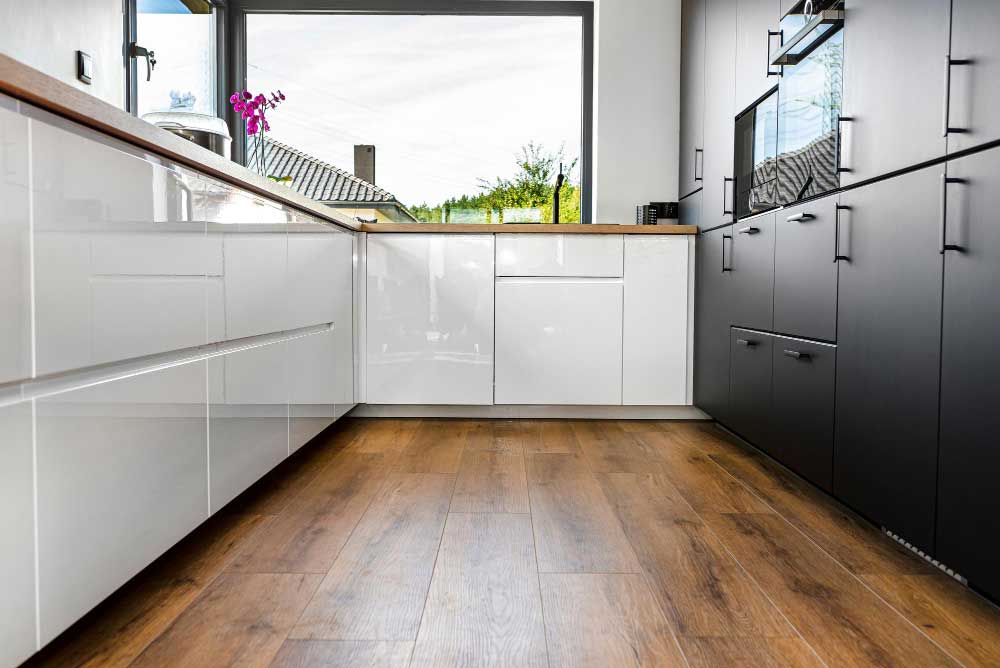
For living rooms and bedrooms, timber-look vinyl planks can create visual continuity between spaces. Vinyl tiles can provide a stone-inspired finish for dining areas, home offices and other rooms. Sheet vinyl may be useful where a continuous, easy-clean surface is preferred.
In kitchens, laundries and entrances, consider how spills, footwear, cleaning and everyday traffic will affect the floor. A water-resistant plank is not the same as a waterproof room: product joins, wall junctions and the subfloor must be assessed. Bathrooms and other regulated wet areas require an appropriate flooring and waterproofing system, not simply a product labelled waterproof.
For apartments, check any owners corporation requirements, acoustic performance and floor-height restrictions before selecting a system. Rental projects may place greater emphasis on cleaning, replacement options and the cost of preparation between tenancies.
Commercial vinyl flooring is selected according to the way a workplace operates. Expected foot traffic, rolling loads, cleaning chemicals, spill exposure, slip resistance and maintenance access are often more important than appearance alone. Different vinyl constructions serve different applications, so the product specification needs to match the project.
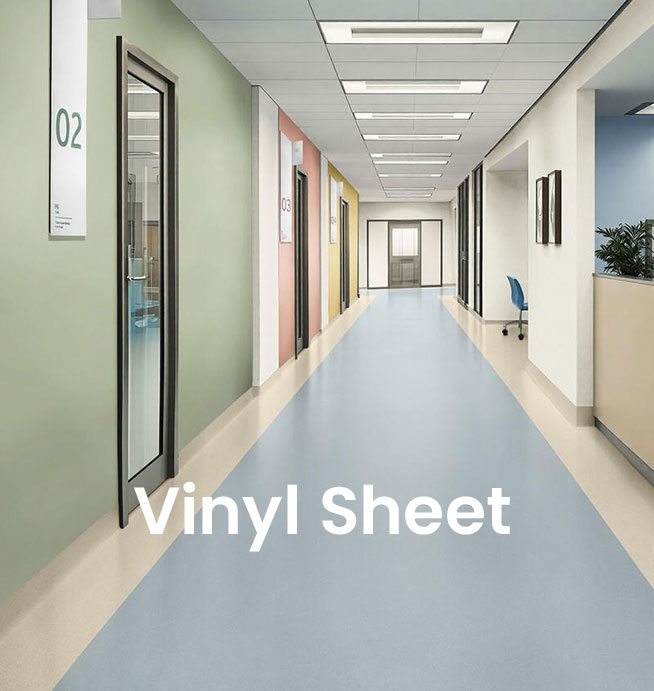
Medical practices, consulting rooms and aged-care settings may require surfaces that accommodate frequent cleaning, wheeled equipment and specific hygiene procedures. Commercial sheet vinyl, including suitable homogeneous or safety grades, may be considered where the project specification calls for welded joins or coved edges. Selection should follow the facility's operational, infection-control and safety requirements.
Classrooms, corridors and shared activity areas can experience repeated furniture movement and high daily traffic. Commercial vinyl products may provide practical cleaning and design options, with acoustic and slip-resistance considerations assessed for each area.
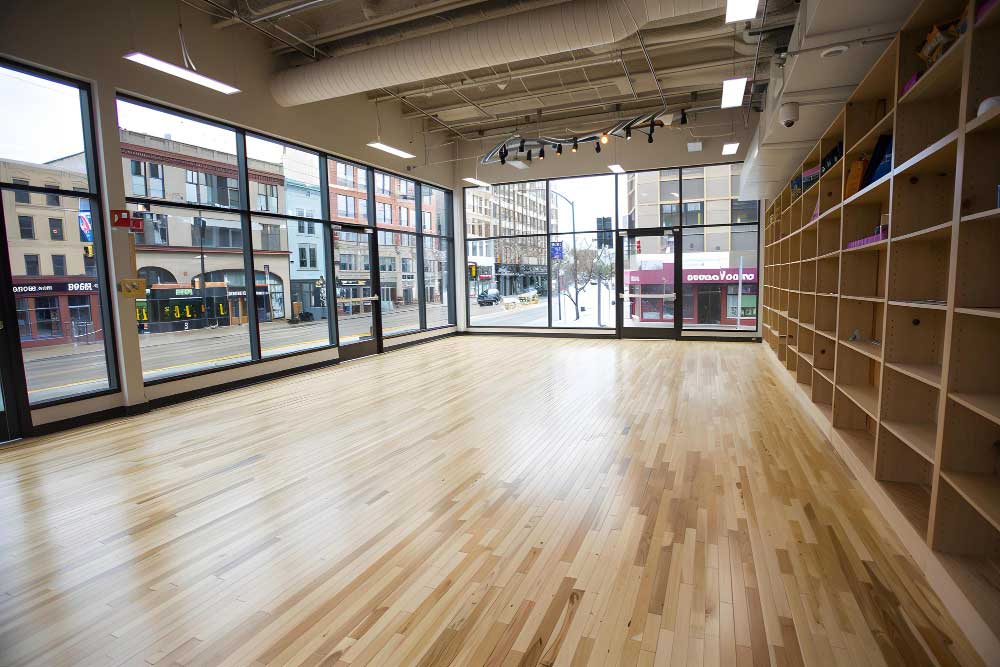
Vinyl planks and tiles can deliver timber-look or stone-look finishes in reception areas, shops, offices and customer-facing spaces. Product choice should account for entrance traffic, furniture and trolley movement, cleaning routines and the ease of maintaining or replacing damaged sections.
Food preparation areas, back-of-house spaces and other frequently wet locations may call for dedicated safety sheet vinyl rather than general-purpose decorative planks. The appropriate tested slip classification, joint treatment, coving, drainage and cleaning compatibility should be confirmed against the site brief and product documentation.
For mixed-material projects, explore our commercial flooring solutions for business premises, including vinyl, carpet tiles and other resilient surfaces.
Linoleum is often called “lino” and confused with vinyl, but the materials are different. Vinyl is PVC-based, while traditional linoleum is made using ingredients such as linseed oil, wood flour, resins and mineral fillers. Both can provide durable, easy-care floors, but their product characteristics, maintenance and installation requirements differ. For the natural-material alternative, explore our residential and commercial linoleum flooring options.
Sheet vinyl comes in rolls and can reduce the number of joins across a floor. Vinyl planks are individual timber-look boards, while vinyl tiles typically offer stone-look or decorative designs. Installation methods and performance ratings vary by product.
Many vinyl materials resist water, but the completed floor is not automatically waterproof. Water may reach joins, edges or the subfloor, so installation details and product approval matter, particularly in wet areas.
Many vinyl ranges suit kitchens when correctly selected and installed. Bathrooms require additional assessment because waterproofing, drainage and wet-area requirements may exclude some products or installation systems.
Sometimes. Existing tiles must be secure, appropriately prepared and sufficiently flat for the selected vinyl system. Grout lines, moisture and floor height may require additional work.
Commercial-grade vinyl sheets, planks or tiles may suit offices, retail, education and some healthcare settings. The correct choice depends on traffic, cleaning, slip resistance, wheeled loads and any site-specific specification.
Not always. Some products are installed directly with adhesive, while others use a compatible floating system or integrated backing. Extra underlay should not be added unless the manufacturer approves it.
Yes. Melbourne Flooring advertises a free measure and quote service. Provide the property location, approximate floor area and preferred vinyl type so the team can discuss the next step.
Compare options for your space, view samples and discuss installation requirements with the Melbourne Flooring team. Whether the project involves a home renovation or a business fit-out, a considered product selection and accurate site assessment will help you understand the full scope. Request your free measure and quote.

Let's socialize
Copyright © 2018 Melbourne Flooring . All rights reserved. Designed by Momawebmasters
Monday - Friday 9AM - 5PM
Saturday 10AM - 3PM
Sunday by appointment only
Bayswater Branch
Address: 20 Scoresby Road, Bayswater VIC 3153
Phone: 03 9070 8292
Oakleigh Branch
Address: 200 Warrigal Rd, Oakleigh VIC 3166
Phone: 03 4060 1415