


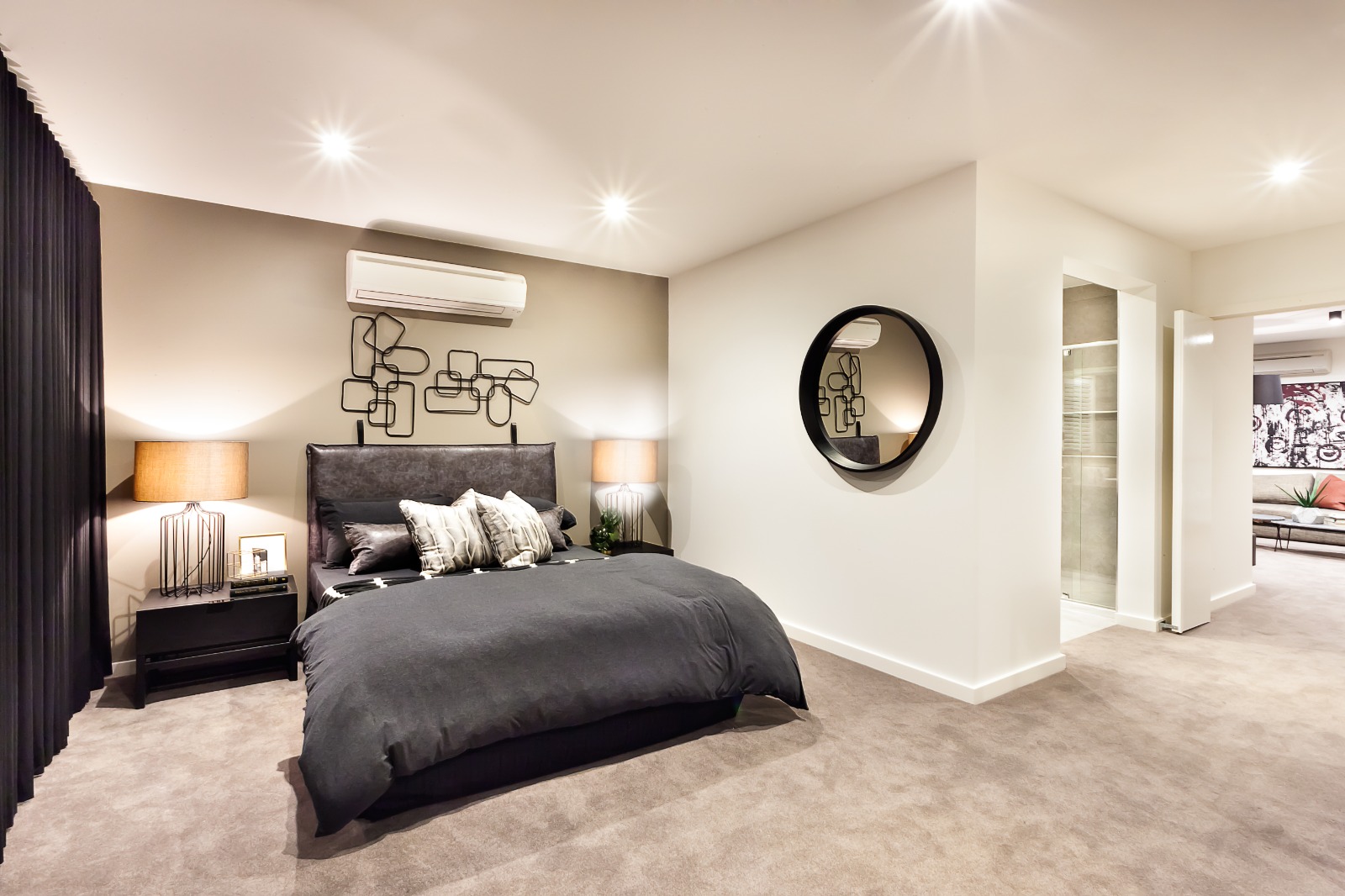
The right carpet is not determined by colour or fibre alone. A bedroom, busy living area, hallway and staircase can place very different demands on the floor, so carpet should be selected according to how the space will actually be used.
Before comparing individual carpet ranges, consider four factors that have the greatest influence on the finished floor.
Start with the amount and type of foot traffic the room receives. Bedrooms generally allow comfort and softness to take priority, while hallways, stairs and frequently used living areas may require a carpet construction better suited to concentrated wear.
The manufacturer's recommended use should always be checked for the individual product rather than assuming every carpet in the same fibre category will perform the same way.
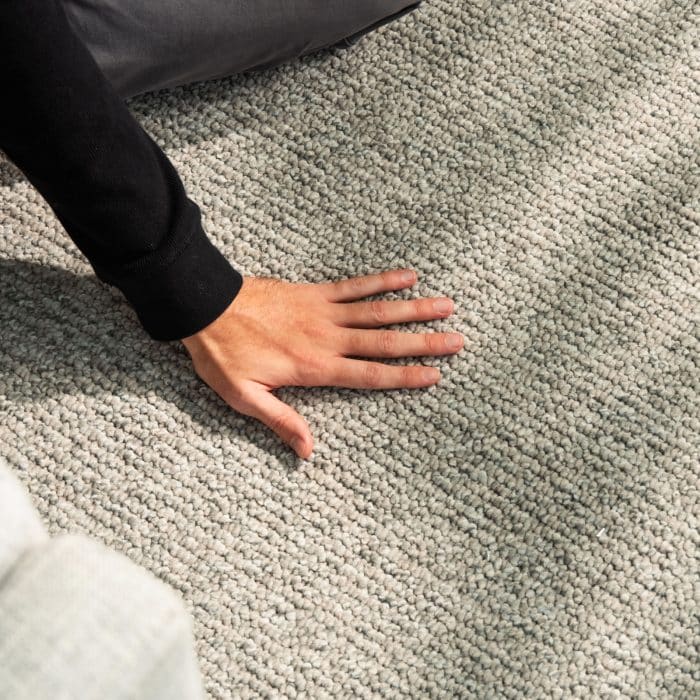
Wool, nylon and polyester each have different characteristics, but fibre is only part of the comparison. Pile construction, density and the overall carpet specification also influence how the floor feels, looks and responds to everyday use.
A soft or deep pile is not automatically more durable, so compare the complete carpet construction rather than selecting a product from fibre type or surface feel alone.
Underlay should be considered as part of the carpet system rather than an afterthought. It supports the carpet and affects comfort underfoot, while the selected thickness can also influence finished floor height and transitions to adjoining flooring.
The appropriate underlay depends on the carpet, subfloor, room use and product requirements.
Room dimensions, wardrobes, hallways, stairs and adjoining floors can all affect how carpet is measured and installed. Larger or irregular spaces may require joins, while pile direction can influence the way colour and shading appear across connected rooms.
Planning these details before ordering helps determine the correct material quantity and creates a better transition between carpet and surrounding floors.


Bedrooms generally experience lighter foot traffic than hallways or stairs, so comfort and softness can take greater priority. Plush, twist and other soft carpet constructions may suit these spaces depending on the product and the appearance you prefer.
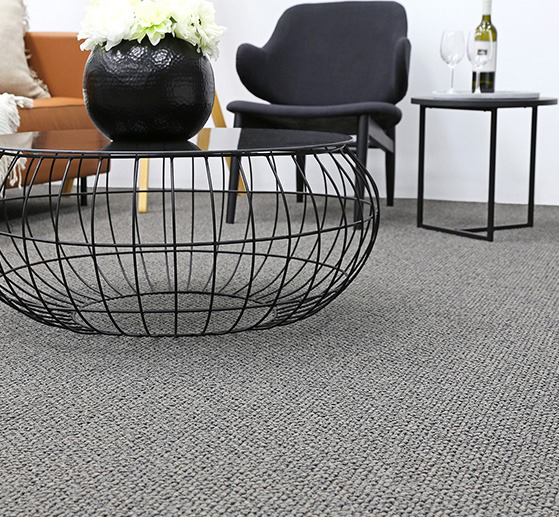
Living spaces usually need a balance between comfort and resilience. Consider how often the room is used, whether there are children or pets, how much furniture movement occurs and whether footprints or shading are likely to be noticeable on the selected pile.
Hallways and stairs concentrate foot traffic into relatively narrow paths. Carpet for these areas should be selected with the expected wear pattern in mind, and the product should be confirmed as suitable for the intended application.
Stair installations also require careful measurement around nosings, turns and landings before material quantities are finalised.
Selected carpet products can also be considered for offices and other commercial interiors where the relevant product is suitable for the expected traffic and maintenance requirements.
For projects where modular replacement or commercial-specific performance is important, you may also want to compare carpet tiles for modular flooring applications. Broader business projects can be reviewed through our commercial flooring solutions in Melbourne.
Carpet installation cost depends on the selected carpet, underlay, room dimensions, stairs, existing-floor removal, preparation and installation requirements. A site measure provides the information needed to calculate the material quantity and prepare an accurate quote.
Installation time depends on the project size, number of rooms, stairs, furniture, existing-floor removal and any preparation required. A specific timeframe should be confirmed once the site has been measured and the installation scope is known.
Bedrooms generally allow softness and comfort to take greater priority because they typically receive less concentrated foot traffic than hallways or stairs. The best product still depends on your preferred fibre, pile, appearance, maintenance requirements and budget.
No single fibre is best for every application. Wool offers natural-fibre characteristics and resilience, nylon is commonly considered where wear performance is important, and polyester can provide softness and value. The construction and intended use of the individual carpet are just as important as the fibre name.
Most conventional carpet installations use an appropriate underlay, but the correct type depends on the carpet, subfloor and manufacturer requirements. Underlay contributes to support and comfort and should be selected together with the carpet.
The existing surface needs to be assessed before installation. In many carpet-replacement projects, the old carpet and underlay are removed so the subfloor can be inspected and any preparation completed before the new flooring is installed.
Yes, selected carpets can be installed on stairs, but the product construction should be suitable for that application. Stair dimensions, nosings, turns, landings, pile direction and installation method should be assessed before ordering.
Planning to replace existing carpet or install carpet in a new space?
Compare samples first, then arrange a site measure so room dimensions, underlay, joins, preparation and installation requirements can be reviewed before the carpet is ordered.

Let's socialize
Copyright © 2018 Melbourne Flooring . All rights reserved. Designed by Momawebmasters
Monday - Friday 9AM - 5PM
Saturday 10AM - 3PM
Sunday by appointment only
Bayswater Branch
Address: 20 Scoresby Road, Bayswater VIC 3153
Phone: 03 9070 8292
Oakleigh Branch
Address: 200 Warrigal Rd, Oakleigh VIC 3166
Phone: 03 4060 1415