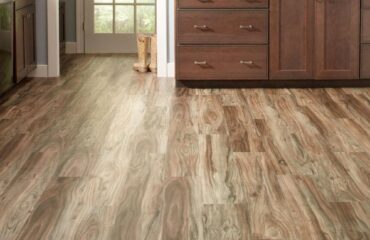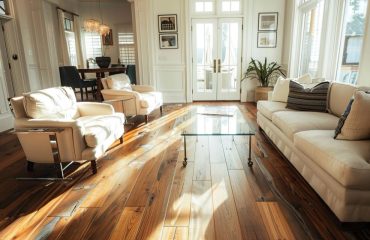


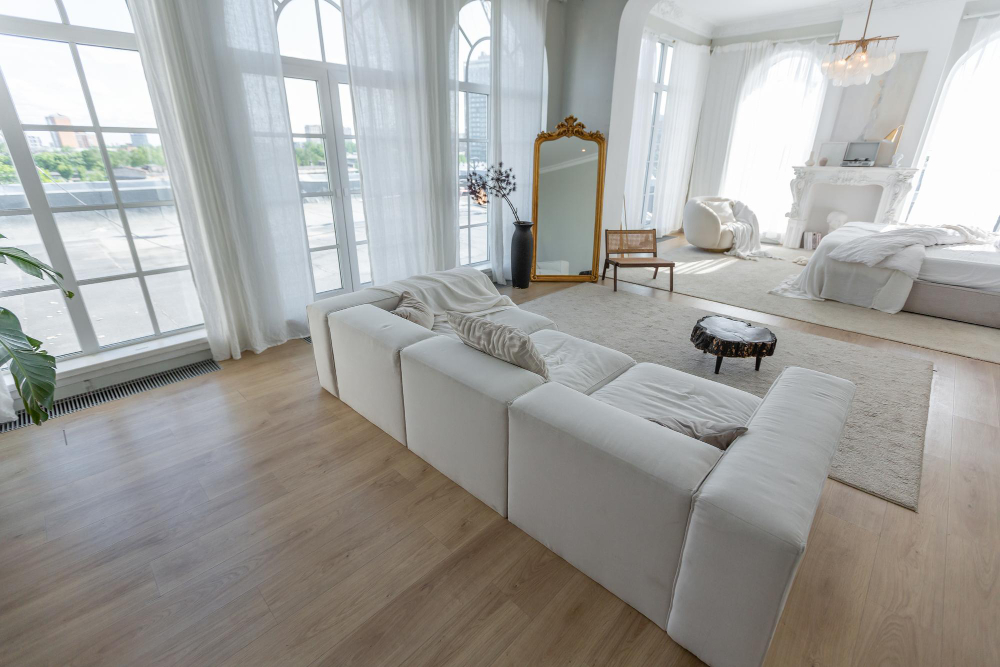
Hybrid vinyl flooring has emerged as a popular choice for homeowners who want waterproof performance without sacrificing a timber-style appearance. It blends rigid composite technology with layered vinyl construction, creating boards that are designed to resist moisture while maintaining structural stability under daily use.
Unlike traditional laminate or standard sheet vinyl, hybrid vinyl flooring is built with a reinforced core that improves dimensional strength. This allows it to perform reliably in areas exposed to spills, temperature variation, and regular foot traffic. The result is a surface that aims to balance durability with modern aesthetics.
If you’re weighing different materials, exploring available Hybrid Vinyl flooring options can help clarify how hybrid vinyl flooring compares with other rigid core systems.
What Exactly Is Hybrid Vinyl Flooring?
Hybrid vinyl flooring combines multiple engineered layers into a single plank. These typically include:
- A protective wear layer
- A decorative timber-look print layer
- A rigid composite core (often SPC-based)
- A stabilising backing layer
The rigid core is what distinguishes hybrid vinyl flooring from flexible vinyl products. It provides structural integrity, reduces movement, and improves resistance to swelling.
Because of this layered structure, hybrid vinyl flooring can be installed over concrete slabs and in environments where moisture exposure is a concern.
Where Hybrid Vinyl Flooring Performs Well
Hybrid vinyl flooring is often chosen for:
- Open-plan living areas
- Kitchens
- Renovation projects
- Apartments built on slabs
- Homes with pets
The waterproof core helps prevent internal swelling when exposed to surface moisture. That said, correct expansion gaps and installation guidelines must still be followed.
Hybrid vinyl flooring performs best in areas where durability and moisture tolerance are more important than the ability to refinish the surface later.
The Advantages of Hybrid Vinyl Flooring
Waterproof Construction
Hybrid vinyl flooring does not absorb water in the same way timber products can. This makes it suitable for everyday spills and damp cleaning.
Dimensional Stability
The rigid core reduces expansion and contraction, helping maintain board alignment.
Scratch Resistance
The wear layer protects against general wear from furniture, pets, and foot traffic.
Click-Lock Installation
Most hybrid vinyl flooring systems use interlocking boards that allow for floating installation without adhesives.
Timber-Look Finishes
Modern embossing techniques provide realistic grain textures and wide plank visuals.
The Limitations You Should Consider
Hybrid vinyl flooring is not without drawbacks.
Surface Hardness
Rigid core boards can feel firm underfoot, particularly in thinner profiles.
Cannot Be Refinished
Once the wear layer is damaged, hybrid vinyl flooring cannot be sanded or restored like engineered timber.
Subfloor Preparation Is Still Critical
Despite marketing claims, uneven subfloors can lead to movement or hollow sounds.
Heat Sensitivity
Excessive direct sunlight or extreme heat may cause expansion if installation guidelines are not followed.
Understanding these factors ensures expectations align with real-world performance.
Durability and Lifespan Expectations
The longevity of hybrid vinyl flooring depends on wear layer thickness and traffic levels. Higher wear ratings generally provide better resistance to long-term surface damage.
In residential environments, hybrid vinyl flooring can last 15–25 years when installed correctly and maintained consistently. Sweeping to remove abrasive debris and damp mopping with suitable cleaners help preserve the finish.
Because hybrid vinyl flooring cannot be refinished, selecting appropriate thickness at the beginning of the project is important.
Cost Considerations
Hybrid vinyl flooring typically sits between laminate and engineered timber in price.
Total project cost depends on:
- Board thickness
- Wear layer quality
- Surface finish detail
- Subfloor preparation
- Removal of existing flooring
While entry-level ranges are competitively priced, premium boards with thicker cores and enhanced textures cost more. Installation method and site conditions also influence overall budgeting.
Is Hybrid Vinyl Flooring the Right Choice?
Hybrid vinyl flooring is well suited to homes where waterproof performance and structural stability are priorities. It offers a practical alternative to timber in moisture-prone areas while maintaining a contemporary appearance.
However, those seeking a softer underfoot feel or the option to refinish their floors may prefer engineered timber instead.
Selecting the right product depends on lifestyle, budget, and long-term expectations.
Professional Supply and Installation
Melbourne Flooring supplies and installs hybrid vinyl flooring, guiding product selection, subfloor assessment, and installation tailored to each space. The focus is on correct preparation and durable outcomes that perform reliably over time. Get in touch with us for a free quote.