


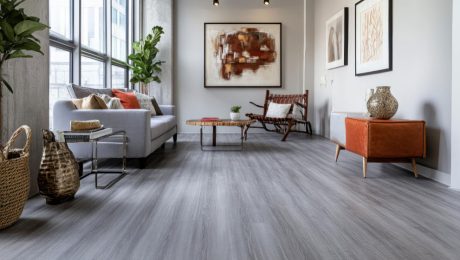
The best floor is not always the most expensive one, the darkest one, or the one that looks nicest in a tiny sample square under perfect lighting. Flooring has to survive real life, which is far less elegant than a showroom display. Shoes, pets, chairs, spills, furniture, cleaning products and daily foot traffic all have opinions, and most of them are rude.
That is why choosing the best vinyl plank flooring should start with performance, not just appearance. Vinyl plank flooring is popular because it can deliver a timber-look finish with water resistance, durability and easier maintenance than many traditional flooring options. The right product can suit living spaces, kitchens, bedrooms, offices, rental properties and selected commercial areas when it is matched properly to the space.
A realistic timber design is one of the biggest reasons people choose vinyl planks. Modern products can replicate oak, blackbutt, spotted gum, grey-wash timber and warmer brown tones with impressive detail. But appearance should only be the first filter, not the whole decision.
A good vinyl plank should also have a strong wear layer, stable construction, reliable backing, a suitable surface texture and a finish that can handle the level of use expected in the room. A beautiful floor that scratches easily or wears quickly is not a smart investment. It is just a very attractive future complaint.
The wear layer is one of the most important features to compare. This protective top layer helps defend the printed design from scuffs, scratches and everyday wear. In general, spaces with heavier use need a stronger wear layer than quiet rooms.
For example, a bedroom may not need the same specification as a busy living area, retail space, office or rental property. If the floor will deal with pets, children, rolling chairs, customers or frequent cleaning, the wear layer becomes even more important.
When comparing quality vinyl plank flooring options, ask about the wear layer, slip rating, water resistance, warranty, installation method and suitability for the intended space. These details are far more useful than vague promises about a product being “premium,” which is a word the flooring industry throws around like confetti.
Vinyl plank flooring is often chosen for areas where moisture can be part of daily life. Kitchens, dining areas, entryways and shared spaces can all benefit from a surface that is easier to clean and more forgiving than natural timber.
That does not mean the floor should be flooded or ignored after spills. Water-resistant flooring still performs best when spills are cleaned quickly and the correct maintenance routine is followed. The benefit is that vinyl planks are generally designed to cope better with everyday moisture exposure than many timber-based products.
Flooring should not only look good. It should feel suitable underfoot. Vinyl planks can provide a more comfortable surface than tiles and may feel warmer in daily use. Depending on the product and installation method, they can also help reduce some impact noise compared with harder surfaces.
Surface texture is also worth checking. Some finishes feel smoother, while others provide more grip and a more natural timber-like feel. This can matter in kitchens, entry areas, commercial interiors and homes with pets or older residents.
Vinyl planks are available in different installation systems, including loose lay, glue-down and click-lock options. Each method has its own advantages, and the best choice depends on the room, subfloor, expected traffic and whether future plank replacement is important.
Loose lay vinyl planks can be useful when individual plank replacement is a priority. Glue-down installation can suit areas that need a stable and secure finish. Click-lock systems may be suitable for selected projects where fast installation and floating floor construction are preferred.
No matter which method is used, subfloor preparation still matters. Uneven surfaces, moisture issues or poor preparation can affect how the finished floor looks and performs. A high-quality product installed badly is still a bad floor, just with better branding.
Lighter vinyl planks can make a room feel more open and relaxed. Deeper colours can create contrast and a more dramatic interior. Neutral timber tones are often easier to style because they work with more furniture, paint colours and future design changes.
Plank width and length also affect the final look. Wider planks can feel more modern and spacious, while narrower planks may create a more traditional effect. Before making a final decision, it is worth viewing samples in the actual space because lighting can change everything. The sample that looked perfect in one room may suddenly look oddly yellow, grey or flat somewhere else. Naturally, the floor waits until after installation to reveal this if nobody checks properly.
The best vinyl plank flooring is the option that suits the room’s function, traffic level, cleaning needs, design style and budget. It should look good, feel stable, resist everyday wear and be simple to maintain.
Before choosing a product, compare samples, check technical details, ask about installation requirements and think honestly about how the space will be used. A practical flooring decision should balance appearance with performance, because good flooring should not need constant babysitting.
For help comparing products, samples and installation methods, arrange product guidance with our team and choose vinyl planks that suit the space properly.
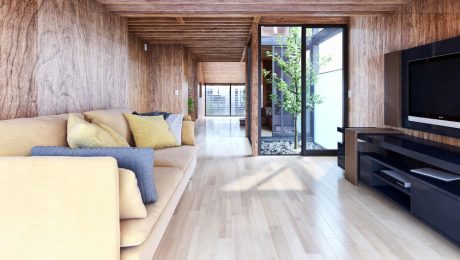
Flooring has to survive more than carefully staged photos and polite footsteps. It has to deal with shoes, pets, spills, furniture, cleaning, sunlight, dropped items, and the strange human habit of dragging chairs instead of lifting them. That is why hybrid flooring has become a practical option for spaces that need the look of timber with stronger resistance to everyday wear.
For people searching for hybrid flooring in Melbourne, the appeal usually comes down to three things: water resistance, durability, and style. Hybrid flooring is designed to combine features commonly associated with vinyl and laminate, giving it a rigid structure, a protective surface layer, and a modern timber-look finish without the same maintenance demands as natural timber.
Hybrid flooring is popular because it fits the way many spaces are actually used. It can work across living areas, bedrooms, hallways, apartments, offices, rental properties, and selected commercial interiors. The surface is designed to be hard-wearing, while the visual finish can create the appearance of timber without requiring the same level of care.
A major advantage is water resistance. Kitchens, dining areas, entryways, and open-plan spaces often deal with spills, wet shoes, cleaning, and general moisture exposure. While no floor should be treated like a swimming pool, hybrid flooring is generally more forgiving than traditional timber when everyday spills are cleaned quickly.
Timber floors are beautiful, but they are also natural materials that react to moisture, humidity, and wear. Hybrid flooring gives a timber-inspired appearance while using a more stable construction. This makes it appealing for people who want warmth and texture without worrying as much about surface marks, movement, or moisture-related issues.
Design options are broad. Hybrid flooring is available in light oak tones, deeper brown shades, grey-based finishes, and more neutral timber looks. This makes it easier to match cabinetry, wall colours, furniture, and open-plan interiors. A lighter board can make a room feel more spacious, while a deeper tone can add contrast and a more classic finish.
Hybrid flooring is especially useful in areas that need both style and practicality. It can be a strong option for:
The key is choosing a product that matches the expected traffic level and installation conditions. A quiet bedroom does not need the same product rating as a busy shop or office. Shocking, yes, but floors also have limits, unlike marketing claims, which apparently do not.
When reviewing water-resistant hybrid flooring options, it is worth looking at board thickness, wear layer, locking system, surface texture, warranty details, and whether the product is suitable for the intended space.
Hybrid flooring is often known for click-lock installation, but that does not mean preparation can be ignored. The subfloor still needs to be clean, level, dry, and suitable for the product. If the base is uneven, the finished floor may feel unstable, sound hollow, or show movement over time.
Expansion gaps, trims, transitions, doorways, and floor height changes also need proper planning. These small details affect how professional the final result looks. A good installation should feel clean, stable, and consistent across the entire area, not like a puzzle assembled by someone losing patience.
Professional installation is especially useful for larger areas, complex layouts, stairs, commercial spaces, or projects where the existing floor needs assessment before work begins.
Hybrid flooring is designed to be low-maintenance, which is one of its biggest strengths. Regular sweeping or vacuuming helps remove dust and grit, while damp mopping can manage spills and everyday marks. Harsh chemicals, steam mops, and excessive water should usually be avoided unless the product instructions specifically allow them.
Furniture pads can help prevent scratches, and entry mats can reduce dirt brought in from outside. These small habits help the floor stay presentable for longer without turning maintenance into a second career.
Hybrid flooring can be a smart option when a space needs a practical, modern, and water-resistant surface with a timber-style appearance. It offers a useful balance between design and durability, especially in areas where natural timber may be too sensitive or high-maintenance.
The best results come from selecting the right product, checking the subfloor, comparing samples in the actual space, and using an installation approach suited to the project. With the right planning, hybrid flooring can deliver a clean, durable, and stylish finish that works well for everyday use.
For help choosing samples, comparing products, or planning installation, organise flooring guidance with our export team and select a hybrid floor that suits the space properly.
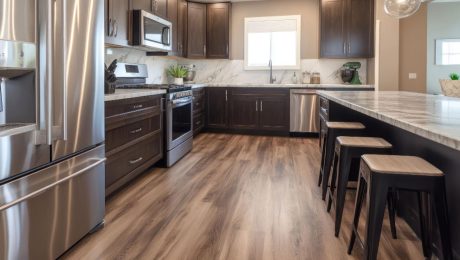
Kitchen flooring has to deal with more than just foot traffic. It faces water splashes, cooking spills, dropped utensils, food stains, heat, cleaning products and the daily chaos of real homes. That is why choosing the right kitchen floor is not only about colour or design. It is also about safety, durability, comfort, and ease of maintenance.
For many homeowners, non-slip vinyl plank flooring for kitchens offers a practical balance between style and everyday performance. It looks like timber, stone, or modern tile-style finishes while providing better moisture resistance and a more forgiving surface underfoot.
Kitchens are one of the busiest areas in the home. Water near the sink, oil around the cooktop, and crumbs or food spills can quickly make the floor unsafe. A smooth or glossy surface may look clean and modern, but it can become slippery when wet.
This is where textured vinyl flooring can make a real difference. Many vinyl flooring products are designed with surface grip, helping reduce the chance of slips during normal kitchen use. While no flooring can completely remove risk, choosing a surface with better traction is a smart step, especially for family homes, rental properties, older residents, and busy open-plan kitchens.
Vinyl flooring has become popular in kitchens because it is made for practical living. It is water-resistant, easy to clean, and available in a wide range of designs. Unlike some timber-based flooring options, vinyl does not react as badly to everyday moisture exposure when installed correctly.
Another advantage is comfort. Kitchens are spaces where people often stand for long periods while cooking, preparing meals, or cleaning. Vinyl provides a softer feel compared with ceramic tiles, which can be hard and cold underfoot. It can also help reduce noise, making it suitable for apartments, townhouses, and family homes where sound control matters.
For homeowners comparing kitchen flooring options, slip-resistant vinyl kitchen flooring is worth considering because it combines safety, durability, and design flexibility in one product category.
One outdated idea about vinyl flooring is that it only suits basic or budget interiors. Modern vinyl flooring has moved well beyond that. Today’s options can replicate timber planks, stone textures, concrete looks, and contemporary neutral tones. This allows homeowners to match the kitchen floor with cabinetry, benchtops, splashbacks, and open-plan living areas.
For example, timber-look vinyl can create a warm and natural feel without the same maintenance concerns as real timber in wet areas. Stone-look vinyl can provide a clean, modern finish without the hardness or installation complexity of natural stone or tiles.
Before selecting vinyl flooring for a kitchen, it is important to consider the product’s wear layer, surface texture, installation method, and suitability for wet or high-traffic areas. A kitchen floor should be strong enough to handle chairs, appliances, pets, foot traffic, and regular cleaning.
Subfloor preparation also matters. Even a high-quality vinyl product can perform poorly if installed over an uneven or unsuitable surface. Professional installation helps improve the final result, especially in kitchens where edges, joins, cabinets, and appliance areas need careful attention.
Homeowners should also view samples in person where possible. Lighting, cabinet colour, wall paint, and natural light can all change how a floor looks in the actual space.
If you want a kitchen floor that is easy to maintain, comfortable to walk on, and better suited to spills than many traditional flooring options, non-slip vinyl flooring for kitchens can be a strong choice. It suits modern homes, investment properties, apartments, family kitchens, and renovation projects where practicality matters as much as appearance.
The best result comes from choosing the right product, checking the texture and finish, and making sure the installation is completed properly. A good kitchen floor should not only look good on the day it is installed. It should continue performing through years of cooking, cleaning, entertaining, and everyday use.
To compare suitable kitchen flooring options or arrange advice for your home, get accurate pricing with a free quote.
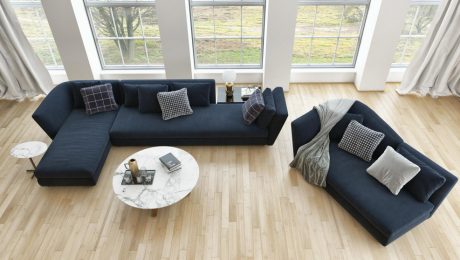
Hybrid flooring has become a popular choice for homeowners seeking durability and water resistance without sacrificing style. Combining rigid core technology with a protective surface layer, hybrid flooring offers structural stability that suits modern homes. It is often compared with laminate and engineered timber due to its similar appearance and installation methods.
Unlike traditional timber products, hybrid flooring is manufactured with a waterproof core that resists swelling and movement caused by moisture exposure. This makes hybrid flooring particularly suitable for kitchens, living areas, and spaces where spills are common. Understanding how hybrid flooring compares with other materials helps homeowners make informed decisions before investing in new flooring.
Luxury hybrid flooring and laminate often look similar at first glance, but their construction differs significantly. Laminate typically features a high-density fibreboard core, while hybrid flooring uses a rigid waterproof core such as stone polymer composite.
Key differences include:
For areas prone to moisture, hybrid flooring offers a stronger long-term solution compared to laminate.
Engineered timber features a real hardwood surface layer bonded to a plywood core. While engineered timber provides authentic wood appearance, hybrid flooring delivers enhanced moisture resistance.
Hybrid flooring advantages include:
However, engineered timber may offer greater resale appeal due to its genuine timber surface. Choosing between hybrid flooring and timber often depends on lifestyle priorities and budget considerations.
Durability is one of the main reasons homeowners choose hybrid flooring. The protective wear layer resists scratches, dents, and everyday wear. In high-traffic households, hybrid flooring maintains structural integrity without frequent maintenance.
Thickness and wear layer rating significantly impact longevity. Premium hybrid flooring products feature reinforced locking systems and improved surface coatings.
Routine cleaning is straightforward. Sweeping and light mopping are typically sufficient to maintain hybrid flooring.
Hybrid flooring provides a balance between waterproof performance, durability, and contemporary design. It suits modern homes, apartments, and renovation projects where moisture resistance and ease of maintenance are priorities.
When evaluating hybrid flooring, homeowners should consider wear layer thickness, locking system strength, warranty coverage, and installation method. Professional guidance ensures long-term performance and correct subfloor preparation.
For homeowners seeking high-quality hybrid flooring solutions, Melbourne Flooring provides expert product advice and professional installation tailored to residential spaces. Our team ensures durable, visually appealing flooring results designed for long-term performance. Get accurate pricing with a free quote.
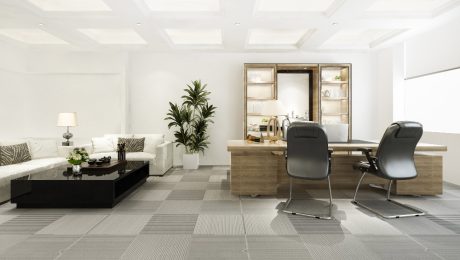
Selecting commercial vinyl tile Melbourne businesses can rely on requires more than choosing a colour or pattern. Commercial environments demand flooring that can withstand heavy foot traffic, regular cleaning, furniture movement, and compliance standards. Commercial vinyl tile Melbourne installations are engineered with reinforced wear layers and stable backing systems to ensure durability in demanding business settings.
Unlike residential-grade products, commercial vinyl tile Melbourne options are manufactured to meet stricter performance standards. They are designed to resist scratching, denting, and moisture exposure while maintaining a professional appearance. Whether used in offices, retail stores, healthcare clinics, or hospitality venues, commercial vinyl tile Melbourne solutions offer both functional performance and aesthetic flexibility.
Before committing to a product, it is important to compare available vinyl tile flooring samples to ensure the selected commercial vinyl tile Melbourne meets wear rating requirements, slip resistance classifications, and installation specifications.
There are several reasons why commercial vinyl tile in Melbourne remains a popular choice across multiple industries:
One key advantage of commercial vinyl tile Melbourne systems is modularity. If a section becomes damaged, individual tiles can often be replaced without removing the entire floor. This reduces downtime and long-term maintenance costs for businesses.
In addition, many commercial vinyl tile Melbourne products are available in timber-look, stone-look, and contemporary finishes, allowing businesses to maintain brand consistency without sacrificing performance.
Commercial vinyl tile Melbourne is suitable for a wide range of business environments, including:
In high-traffic corridors and reception areas, commercial vinyl tile Melbourne offers resilience against constant foot movement. Its surface construction helps prevent premature wear while maintaining a clean and professional appearance.
Proper installation is essential. Subfloor preparation, moisture testing, and adhesive selection all influence the long-term performance of commercial vinyl tile Melbourne systems.
The cost of commercial vinyl tile Melbourne installations depends on:
While commercial vinyl tile Melbourne may involve a higher upfront investment than residential-grade vinyl, it typically provides better long-term value due to reduced maintenance and replacement frequency.
Professional installation ensures correct adhesion, seam alignment, and compliance with manufacturer guidelines. Improper installation can compromise durability and void warranties.
Commercial vinyl tile Melbourne offers a balance between durability, design flexibility, and cost efficiency. Its ability to handle heavy foot traffic while maintaining visual appeal makes it suitable for businesses seeking reliable flooring solutions.
When evaluating commercial vinyl tile Melbourne, business owners should consider wear rating, slip resistance classification, warranty coverage, and lifecycle cost. Choosing commercial-grade materials ensures long-term performance rather than short-term savings.
For businesses seeking high-quality commercial vinyl tile Melbourne solutions, Melbourne Flooring provides expert product guidance and professional installation tailored to commercial environments. Our team ensures durable, compliant flooring systems designed for long-term operational reliability. Get in touch with us to request a free quote.
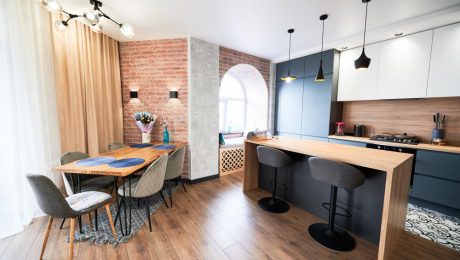
Choosing non slip vinyl flooring for kitchens is primarily about safety and durability. Kitchens are high-traffic spaces exposed to spills, moisture, and frequent cleaning. Slippery surfaces can increase the risk of falls, particularly in busy households. Non slip vinyl flooring for kitchens is specifically designed to improve traction while maintaining an attractive finish suited to modern interiors.
Unlike polished tiles or smooth laminate, non slip vinyl flooring for kitchens incorporates textured surfaces and slip-resistant coatings. These features enhance grip underfoot without compromising style. Modern manufacturing also allows non slip vinyl flooring for kitchens to replicate timber, stone, and contemporary finishes, making it both functional and visually appealing.
Before selecting a product, it is important to compare available non slip vinyl flooring samples to ensure the chosen non slip vinyl flooring for kitchens meets safety ratings, durability standards, and installation requirements.
Kitchens are one of the most accident-prone areas in any home. Water splashes, oil spills, and food debris can create hazardous conditions. Installing non-slip vinyl flooring for kitchens helps reduce slip risks while maintaining easy maintenance.
Key benefits include:
Because non slip vinyl flooring for kitchens is waterproof, it performs well in areas exposed to moisture. Unlike timber-based products, vinyl does not swell when exposed to spills, making non slip vinyl flooring for kitchens a practical long-term solution.
High-quality non slip vinyl flooring for kitchens includes a strong wear layer that resists scratches, dents, and daily wear. Kitchens experience constant foot traffic and movement of chairs and appliances, so durability is essential.
Slip resistance ratings are also important. Many non slip vinyl flooring for kitchens products carry specific safety classifications that indicate their suitability for residential or commercial applications. Selecting the appropriate rating ensures both safety and compliance.
Thickness and core structure influence stability. Rigid core vinyl systems often provide improved structural integrity compared to thinner alternatives.
The cost of non slip vinyl flooring for kitchens depends on:
While premium non slip vinyl flooring for kitchens may involve a higher upfront investment, it can reduce long-term maintenance and replacement costs. Proper installation is essential to maintain performance and prevent movement over time.
Subfloor preparation also plays a key role. Even the most durable non slip vinyl flooring for kitchens requires a clean, level surface to perform correctly.
Non slip vinyl flooring for kitchens offers a balance between safety, durability, and design flexibility. It is particularly suited to busy households where spills and moisture exposure are common.
When evaluating non slip vinyl flooring for kitchens, homeowners should consider wear rating, surface texture, warranty coverage, and compatibility with existing subfloors. Professional guidance ensures long-term performance and proper installation.
For homeowners seeking high-quality non slip vinyl flooring for kitchens, Melbourne Flooring provides expert product advice and professional installation tailored to residential spaces. Our team ensures safe, durable flooring solutions designed for long-term performance and visual appeal. Claim your free quote today.
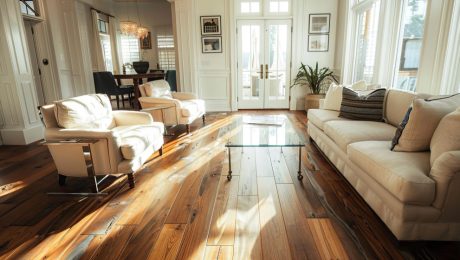
Loose lay vinyl plank flooring has become a preferred option for homeowners and commercial property managers seeking durability with simplified installation. Unlike traditional glue-down systems, loose lay vinyl plank flooring is designed with a heavy, friction-backed base that grips the subfloor securely without requiring full adhesive coverage. This construction allows for faster installation while maintaining stability under regular foot traffic.
One of the main advantages of loose lay vinyl plank flooring is its adaptability. It can often be installed over existing hard surfaces, provided the subfloor is level and structurally sound. The thicker construction helps minimise minor subfloor imperfections and enhances comfort underfoot. For renovation projects where speed and flexibility matter, loose lay vinyl plank flooring offers a practical alternative to permanent glue-down options.
The defining feature of loose lay vinyl plank flooring is its installation method. The friction-backed design allows planks to remain stable without being fully adhered to the subfloor.
Key features typically include:
Because loose lay vinyl plank flooring does not rely on extensive adhesive, individual planks can be removed and replaced if damaged. This makes it especially suitable for rental properties and commercial environments where maintenance efficiency is important.
High-quality loose lay vinyl plank flooring includes a durable wear layer designed to resist scratches, dents, and everyday wear. The rigid structure improves dimensional stability compared to thinner vinyl products.
Loose lay vinyl plank flooring performs well in living rooms, kitchens, hallways, and light commercial settings. Its waterproof properties make it suitable for areas exposed to spills and moisture.
However, proper subfloor preparation remains essential. Even though loose lay vinyl plank flooring can tolerate minor imperfections, significant unevenness can affect long-term stability.
The cost of loose lay vinyl plank flooring depends on board thickness, wear layer rating, and brand quality. While material costs may be slightly higher than basic click-lock vinyl options, installation savings can offset this due to reduced adhesive use and faster fitting times.
Additional factors influencing cost include:
Loose lay vinyl plank flooring can provide strong long-term value due to its durability and ease of replacement.
Loose lay vinyl plank flooring is ideal for renovation projects, rental properties, and commercial spaces requiring flexible installation and reliable performance. Its waterproof surface, durability, and simplified maintenance make it a practical option for modern interiors.
When evaluating loose lay vinyl plank flooring, consider wear layer thickness, plank construction quality, and subfloor compatibility. Professional guidance ensures the product performs as expected over time.
For property owners seeking high-quality loose lay vinyl plank flooring, Melbourne Flooring provides expert product advice and professional installation tailored to residential and commercial environments. Our team ensures durable, stable flooring solutions designed for long-term performance. Get your personalised free quote.
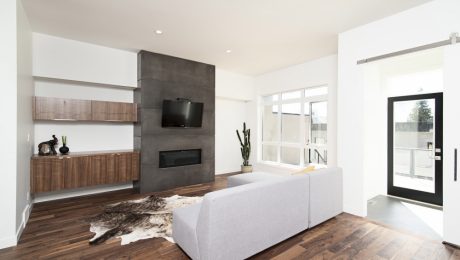
Hybrid vinyl flooring has become a popular option for homeowners seeking durability, water resistance, and modern timber-look finishes. Combining rigid core technology with a protective vinyl wear layer, hybrid vinyl flooring is engineered to handle daily wear while maintaining visual appeal. Its layered construction provides stability and moisture protection, making it suitable for high-traffic and spill-prone areas.
Unlike traditional laminate or solid timber, hybrid vinyl flooring is designed with a waterproof core, typically made from stone polymer composite (SPC). This structure reduces expansion and contraction caused by temperature fluctuations, offering improved performance in varied climate conditions. For households seeking low-maintenance flooring with contemporary aesthetics, hybrid vinyl flooring presents a practical solution.
Premium hybrid vinyl flooring in Melbourne stands out because it blends the structural stability of rigid core boards with the design flexibility of vinyl surfaces. Key features typically include:
The rigid core enhances stability, while the vinyl top layer delivers resilience and ease of cleaning. Because hybrid vinyl flooring resists moisture, it performs well in kitchens, living areas, and apartments where spills are common.
Durability is a major reason homeowners choose hybrid vinyl flooring. The wear layer protects against scratches from pets, furniture movement, and daily foot traffic. In busy households, high-quality hybrid vinyl flooring offers consistent performance without frequent refinishing or maintenance.
However, product quality varies. Thicker boards with higher wear ratings provide better longevity. Selecting premium hybrid vinyl flooring ensures improved locking strength and greater resistance to dents.
Routine maintenance is straightforward. Sweeping and light damp mopping are typically sufficient to keep hybrid vinyl flooring in good condition.
Hybrid vinyl flooring pricing depends on board thickness, wear layer rating, brand reputation, and finish detail. While hybrid vinyl flooring may sit above entry-level laminate in cost, it often delivers better moisture resistance and structural stability.
Installation costs are generally efficient due to the click-lock floating system. Subfloor preparation remains essential to prevent movement or uneven performance. Factoring in acoustic underlay and removal of existing flooring provides a more accurate total project estimate.
Hybrid vinyl flooring offers a balance between durability, waterproof performance, and contemporary design. It suits modern homes, apartments, and renovation projects where moisture resistance and minimal maintenance are priorities.
When evaluating hybrid vinyl flooring, homeowners should consider wear layer thickness, locking system quality, warranty coverage, and subfloor preparation requirements. Proper installation plays a significant role in long-term performance. Browse our hybrid flooring collections to get some ideas on the available ranges.
For homeowners seeking high-quality hybrid vinyl flooring, Melbourne Flooring provides expert product advice and professional installation tailored to residential and light commercial environments. Our team ensures durable, visually refined flooring results designed for long-term reliability. Contact us for a free quote.
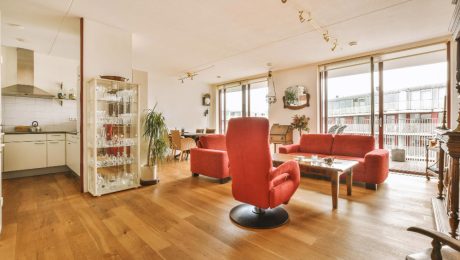
Hybrid flooring has become one of the most discussed flooring options in recent years due to its waterproof performance and modern timber-look appearance. Designed with a rigid core structure, hybrid flooring combines elements of laminate and vinyl technologies to create a durable, moisture-resistant solution suitable for contemporary homes. Its layered construction improves stability while maintaining the visual appeal of natural timber finishes.
Unlike traditional hardwood, hybrid flooring is engineered to handle temperature fluctuations and everyday wear without excessive expansion or contraction. This makes hybrid flooring particularly suitable for open-plan living areas, kitchens, and apartments built on concrete slabs. Understanding how hybrid flooring is constructed and how it performs under different conditions is essential before making a purchase decision.
Another important factor to consider is maintenance. High-quality hybrid flooring is designed to be easy to clean, which makes it appealing for busy households, rental properties, and family homes. Regular sweeping or vacuuming helps remove dirt and grit, while occasional mopping with a suitable cleaner keeps the surface looking fresh. Because hybrid flooring is resistant to water, it can handle everyday spills better than many traditional timber products, although standing water should still be cleaned up promptly.
Before selecting a product, homeowners should compare available hybrid flooring samples to ensure the chosen hybrid flooring aligns with traffic levels, moisture exposure, and subfloor compatibility.
Hybrid flooring pricing varies depending on board thickness, wear layer rating, brand reputation, and finish detail. While hybrid flooring may cost more than entry-level laminate, it often provides better moisture resistance and structural stability.
Installation efficiency is another advantage. Most hybrid flooring systems use click-lock mechanisms, allowing for floating installation over prepared subfloors. However, proper subfloor preparation remains critical to prevent movement or uneven performance.
Acoustic underlay requirements should also be considered, particularly in apartment settings where sound transmission may be regulated.
Hybrid flooring offers a practical balance between durability, waterproof performance, and contemporary style. It is well-suited to residential spaces that require resilience and easy maintenance.
When evaluating hybrid flooring, homeowners should consider wear layer thickness, warranty coverage, locking system quality, and subfloor compatibility. Professional advice ensures that the selected hybrid flooring aligns with the property’s conditions and long-term expectations.
Design flexibility is also a major reason homeowners choose hybrid flooring. Many modern ranges are available in realistic oak, blackbutt, spotted gum, and grey-toned timber finishes, allowing homeowners to match the flooring with both contemporary and classic interiors. Wider boards can create a more spacious feel, while textured finishes add depth and a more natural look. Choosing the right colour and finish can strongly influence the overall style of the home, not just the floor itself.
For homeowners seeking high-quality hybrid flooring solutions, Melbourne Flooring provides expert product selection and professional installation tailored to your space. Our team ensures durable, visually appealing flooring results designed for long-term performance. Contact us today for a free estimate.
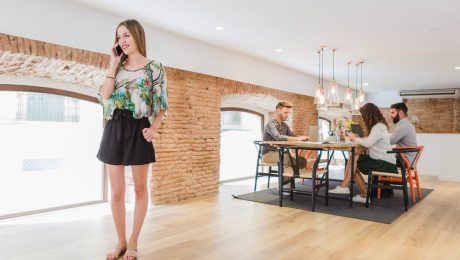
Choosing commercial vinyl tile Melbourne businesses rely on requires careful consideration of durability, safety, and long-term maintenance. Commercial environments experience significantly higher foot traffic compared to residential settings, placing greater stress on flooring materials. Commercial vinyl tile Melbourne installations are designed to withstand daily wear while maintaining a professional appearance suitable for offices, retail spaces, healthcare facilities, and hospitality venues.
Commercial vinyl tile offers a combination of resilience and design flexibility. Available in a wide range of colours, textures, and finishes, it can replicate timber, stone, or contemporary patterns while delivering superior moisture resistance. Many commercial vinyl tile Melbourne products are engineered with heavy-duty wear layers that protect against scratches, dents, and scuffs common in business environments.
Before selecting a product, it is important to review available commercial vinyl tile flooring solutions to ensure the chosen commercial vinyl tile Melbourne option aligns with traffic levels, safety requirements, and installation conditions.
The demand for commercial vinyl tile Melbourne installations continues to grow due to its performance advantages and cost efficiency. Key benefits include:
Unlike sheet vinyl, commercial vinyl tile Melbourne systems allow individual tiles to be replaced if damaged. This reduces downtime and long-term maintenance costs for businesses.
In addition, many commercial vinyl tile Melbourne products meet safety compliance standards, including slip resistance and fire ratings, making them suitable for regulated commercial environments.
Commercial vinyl tile Melbourne is suitable for a wide range of business environments, including:
In high-traffic corridors and reception areas, commercial vinyl tile Melbourne provides durability without compromising visual appeal. Its design versatility allows businesses to align flooring choices with brand identity while maintaining practical performance.
Installation methods may vary depending on traffic intensity and subfloor conditions. Professional assessment ensures the correct adhesive and preparation techniques are used for optimal results.
The cost of commercial vinyl tile Melbourne installations depends on several factors:
While commercial vinyl tile Melbourne may involve higher upfront investment than residential-grade vinyl, it typically delivers stronger long-term value due to durability and reduced maintenance needs.
Subfloor preparation is critical. Uneven or damaged subfloors can compromise tile adhesion and lifespan. Professional installation ensures performance standards are met and product warranties remain valid.
Commercial vinyl tile Melbourne provides a practical balance between performance, cost efficiency, and aesthetic flexibility. Its modular design, moisture resistance, and durability make it suitable for businesses seeking reliable flooring solutions without excessive maintenance demands.
When selecting commercial vinyl tile Melbourne, businesses should consider wear ratings, slip resistance classifications, warranty coverage, and long-term maintenance requirements. Expert guidance ensures the chosen product aligns with operational needs and safety standards.
For businesses seeking high-quality commercial vinyl tile Melbourne solutions, Melbourne Flooring provides expert product selection and professional installation tailored to commercial environments. Our team ensures durable, compliant flooring systems designed for long-term reliability and performance. Contact us for a free quote.

Let's socialize
Copyright © 2018 Melbourne Flooring . All rights reserved. Designed by Momawebmasters
Monday - Friday 9AM - 5PM
Saturday 10AM - 3PM
Sunday by appointment only
Bayswater Branch
Address: 20 Scoresby Road, Bayswater VIC 3153
Phone: 03 9070 8292
Oakleigh Branch
Address: 200 Warrigal Rd, Oakleigh VIC 3166
Phone: 03 4060 1415