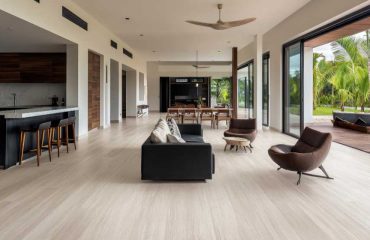



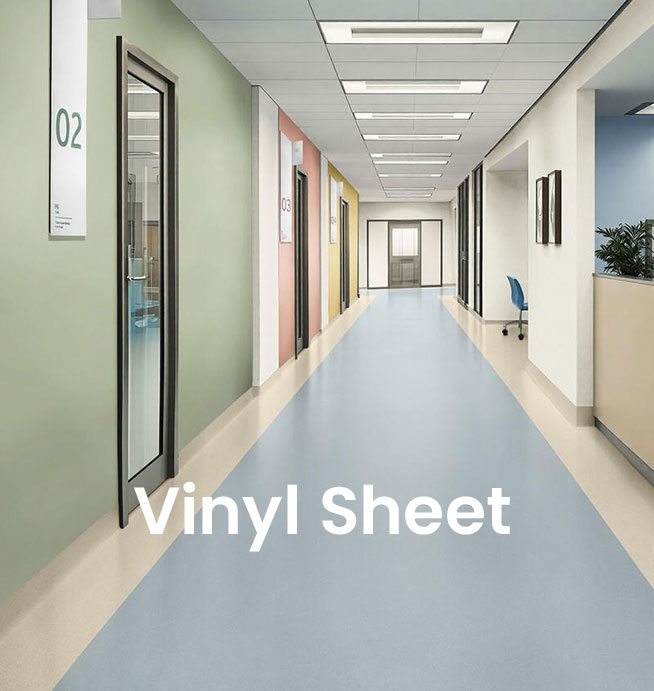


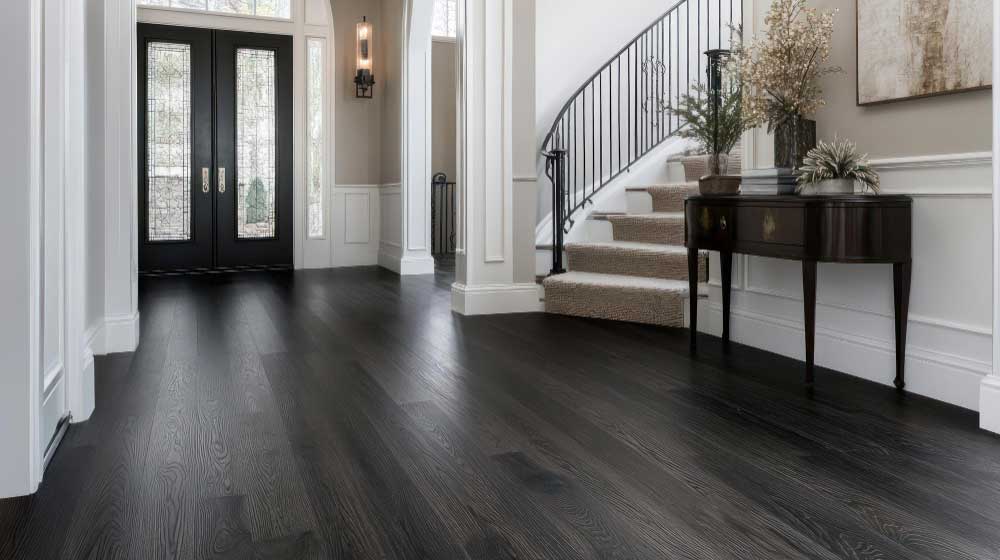
Flooring samples are often chosen in a few minutes under showroom lighting. The finished floor, however, will be seen in morning sun, evening light, beside cabinetry, beneath furniture and across a much larger area than one small plank.
That difference matters.
The most reliable way to find the best vinyl plank flooring is to stop treating the sample as a colour chip and start testing it as part of the room. A seven-day review gives you time to compare appearance, surface feel, installation requirements and product specifications without deciding on one rushed visit.
Take home three or four serious options rather than a large collection of vaguely acceptable colours. Then give each sample the same test.
Day 1: Write the Room Brief
Before comparing colours, define what the floor must handle.
Write down:
- Which rooms will use the flooring
- Expected foot traffic
- Exposure to spills or moisture
- Pets, children or rolling furniture
- Direct sunlight
- Existing subfloor type
- Adjoining floor finishes
- Cleaning expectations
- Approximate project budget
This prevents appearance from becoming the only selection criterion.
A quiet bedroom may prioritise warmth and appearance. A kitchen or hallway may need stronger resistance to spills and repeated cleaning. A rental property may benefit from a system that allows selected planks to be replaced. An open-plan area needs a colour and pattern that remain balanced across a much larger floor.
The strongest product is not automatically the right one. The right product is the one whose construction and installation method match the room brief.
Day 2: Move the Samples With the Light
Place the samples where the floor will actually be installed.
Check them:
- Near windows in the morning
- In the centre of the room during the day
- Under artificial lighting at night
- Beside cabinetry and skirting boards
- Next to furniture, rugs and wall colours
- Against adjoining flooring at doorways
A warm oak may appear neutral in the showroom but noticeably yellow beside cool-grey cabinetry. A pale plank may brighten a narrow room but look washed out in strong sunlight. Darker finishes can create contrast, although they may also show dust, lint or light-coloured marks more clearly.
Rotate each sample as well. Vinyl planks can reflect light differently depending on their surface texture and direction.
Do not choose the colour until you have seen it at several times of day.
Day 3: Test the Pattern at a Larger Scale
One plank cannot show how the pattern will behave across an entire room.
Some designs have subtle grain movement. Others include strong knots, colour variation or distinctive markings that repeat more noticeably after installation.
Lay several samples together where possible. If only one physical plank is available, ask to see a larger display board or installed project image from the same range.
Check:
- How frequently prominent markings repeat
- Whether colour variation looks natural or uneven
- How the plank width suits the room
- Whether bevelled edges create the intended effect
- How the design looks from the room entrance
- Whether the pattern competes with cabinetry or furniture
Wide planks can create a clean, contemporary appearance, but the room dimensions and pattern scale still matter. A highly varied design may look striking in a small sample and much busier across an open-plan floor.
Day 4: Examine the Surface, Not Just the Print
The decorative image creates the timber look, but the surface texture influences grip, cleaning and how convincing the material feels.
Run your hand across each sample. Look at it from a low angle and observe whether the texture follows the printed grain or sits independently over it.
Consider:
- Smooth or textured surface
- Matte, satin or slightly reflective finish
- Visibility of fingerprints and marks
- Ease of wiping the surface
- Suitability for the intended room
- How the finish feels under bare feet
Do not perform an aggressive scratch or moisture test unless the supplier confirms that it is appropriate. A sample damaged with keys, chemicals or prolonged soaking will not necessarily provide a meaningful comparison with normal use.
Instead, ask for the technical information covering stain resistance, surface protection, slip performance and cleaning requirements.
Day 5: Compare the Installation Systems
Vinyl plank flooring is available in several formats, including glue-down, loose lay and click-lock systems. The installation method affects floor height, stability, preparation, repair options and labour.
Glue-down planks can provide a secure finish, but the subfloor generally needs careful preparation because imperfections may remain visible through the installed material.
Loose lay products use weight and specialised backing to help the planks remain stable. They can be useful where access or future plank replacement is important, subject to the product and project conditions.
Click-lock products connect as a floating system. They can offer efficient installation, but subfloor level, expansion requirements and underlay compatibility still need to be checked.
Ask the installer:
- Which system suits the existing subfloor
- Whether levelling is required
- Whether old flooring needs to be removed
- How the finished height will affect doors and transitions
- Whether separate underlay is required
- How damaged planks could be replaced later
- Which installation method the warranty requires
The installation system should be selected for the site, not simply because one method sounds easier.
Day 6: Read the Technical Information
This is the day to move beyond the visible sample.
Request the product specification and compare:
- Total plank thickness
- Wear-layer thickness
- Residential or commercial classification
- Water-resistance claims
- Slip rating where relevant
- Surface coating
- Recommended applications
- Installation requirements
- Product warranty
- Commercial warranty, if applicable
- Cleaning and maintenance instructions
A long warranty is not automatically evidence that one product is superior. Check what the warranty covers, which exclusions apply and whether it depends on professional installation or approved maintenance.
When reviewing the vinyl plank flooring range, compare products with similar intended uses. An entry-level residential plank and a product rated for commercial traffic should not be judged only by colour and board price.
Day 7: Compare the Installed Cost
The material price does not represent the complete project.
Your final comparison should include:
- Vinyl plank material
- Delivery
- Removal of existing flooring
- Waste disposal
- Subfloor repairs or levelling
- Moisture assessment
- Adhesive or underlay
- Installation labour
- Trims and transition profiles
- Door adjustments
- Installation wastage
- Furniture movement
- Spare planks
- GST
A lower-priced plank may result in a higher final cost if the installation system requires more preparation. A higher-priced product may provide better value if it suits the existing floor, reduces disruption or allows easier future repairs.
Compare quotations on the same scope. A number is only useful when you know what it includes.
Use a Simple Scorecard
At the end of the week, score each shortlisted product from one to five in these areas:
| Selection factor | Sample 1 | Sample 2 | Sample 3 |
|---|---|---|---|
| Colour in the actual room | |||
| Pattern across a larger area | |||
| Surface feel and texture | |||
| Suitability for room use | |||
| Installation compatibility | |||
| Technical specifications | |||
| Maintenance requirements | |||
| Total installed value |
Do not simply select the product with the highest total. Look at which criterion matters most for the project.
A floor that scores highly for colour but poorly for installation compatibility may not be the sensible choice. A slightly less dramatic design may be better if it suits the subfloor, traffic level and maintenance requirements.
Five Things That Should Not Decide the Floor on Their Own
Avoid choosing solely because a product has:
- The thickest board
- The longest warranty
- The lowest square-metre price
- The most realistic online image
- The colour currently appearing in the most renovation photos
Each of those details may be useful, but none gives a complete picture.
The best vinyl plank flooring is the product that performs well as a complete system: board, surface, installation method, subfloor preparation and maintenance plan.
Make the Final Decision With the Floor in Context
After seven days, one or two samples will usually begin to make more sense than the others. They will work with the room at different times of day, suit the expected use and have installation requirements that fit the project.
Keep one approved sample until the project is complete. It provides a reference when the flooring arrives and helps confirm that the supplied product matches the selection.
To compare products, assess the subfloor and receive a complete supply-and-installation price, arrange a free measure and consultation with us.