



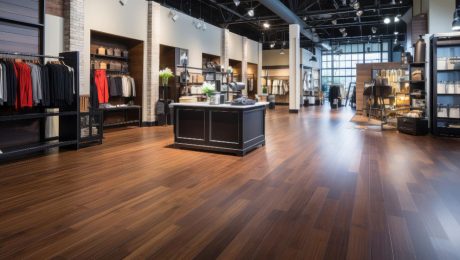
A commercial floor has to do more than sit there looking respectable. It needs to handle constant movement, cleaning, furniture, equipment, customers, staff, and the occasional mystery spill that nobody wants to admit they caused. In busy spaces, flooring is not just a design choice. It affects safety, maintenance, comfort, presentation, and long-term running costs.
That is why choosing commercial flooring should begin with how the space is used, not just how the sample looks under showroom lighting. A floor that works well in an office may not suit a retail store, clinic, hospitality venue, showroom, or education space. The best result comes from matching the product to the real demands of the environment.
Colour matters, but performance matters first. A pale floor may look clean and modern in a sample book, but in a high-traffic area it can quickly show dirt, scuff marks, and wear. A glossy finish may look sharp at first, then become a full-time maintenance complaint once daily use begins. Humanity does love learning obvious things the expensive way.
Before choosing a flooring product, consider how many people use the space each day, whether customers enter directly from outside, how often the floor will be cleaned, and whether the area needs extra grip, acoustic comfort, or resistance to stains. These questions help narrow the options before the design stage becomes a guessing game.
Not every commercial space needs the same surface. A front reception area may need a polished and professional look, while a corridor may need strong wear resistance. A meeting room may need sound control, while a retail floor may need durability and visual impact.
Vinyl plank flooring is often used in business interiors because it can create a timber-look finish while remaining practical and easy to maintain. Vinyl sheet flooring can suit areas where fewer joins and easier cleaning are important. Carpet tiles are popular in offices because they help reduce noise and can often be replaced in sections if damaged. Hybrid and laminate flooring may suit selected commercial interiors where appearance, durability, and cost need to be balanced carefully.
When comparing commercial flooring options, the right product should support the daily operation of the space instead of becoming something staff have to work around.
A floor may look excellent on installation day, but the real test starts after months of chairs moving, customers walking in, bins rolling across the surface, deliveries arriving, and cleaning routines repeating every week. The easier the floor is to maintain, the better it usually performs as part of a business fit-out.
Low-maintenance flooring can reduce cleaning time, improve presentation, and help the space stay professional with less effort. This is especially important in retail, healthcare, education, hospitality, and office environments where the floor is visible to customers, staff, and visitors every day.
It is also worth thinking about repair options. Some products are easier to patch, replace, clean, or refresh than others. Carpet tiles, for example, can be useful in office areas because individual tiles may be replaced if stained or damaged. Vinyl products can offer strong day-to-day practicality, but the right installation method and product rating still matter.
A business floor should support people moving through the space safely and comfortably. Slip resistance can be important in entryways, kitchens, corridors, clinics, retail stores, and hospitality areas. Acoustic performance may matter in offices, consultation rooms, classrooms, and shared working environments.
Comfort underfoot can also make a difference for staff who stand for long periods. Retail, reception, and service-based environments may benefit from flooring that feels more forgiving than hard tiles or concrete. Choosing the right surface can improve the way a space feels, not just the way it looks.
Even the best flooring product can fail if the installation is poor. Subfloor preparation, moisture testing, adhesive selection, levelling, joins, trims, and transitions all affect the final outcome. These details are not glamorous, which is probably why they are often ignored until something lifts, cracks, bubbles, or looks painfully uneven.
Commercial spaces often have tighter timelines and less room for disruption, so installation planning matters. The flooring should be selected with the project schedule, access requirements, business hours, and expected downtime in mind. A good installation process helps reduce future issues and supports a cleaner, more durable finish.
A smart flooring decision starts with a clear brief. Before committing to a product, identify the purpose of the area, expected traffic level, cleaning routine, safety needs, design style, budget, and installation timing. Once those details are clear, it becomes much easier to choose a surface that fits the business properly.
The right commercial floor should look professional, handle daily pressure, and support the function of the space for years. It should be durable without looking industrial, practical without feeling plain, and easy to maintain without needing constant attention.
For help comparing products, samples, and installation options, request flooring advice from our team and choose a surface that is built for the way the space is actually used.
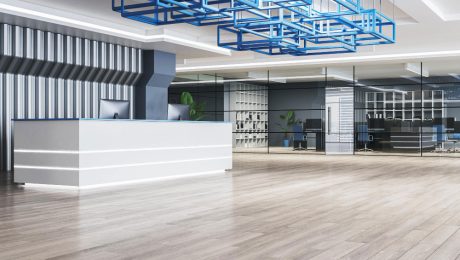
When it comes to designing or upgrading a business space, flooring is one of those decisions people underestimate until it’s too late. The right commercial flooring doesn’t just improve how a space looks, it directly affects durability, maintenance costs, safety, and even how customers perceive your brand.
Businesses across Melbourne are starting to realise that flooring is not just a background feature. It’s part of the experience. Whether it’s a retail store, office, warehouse, or hospitality venue, the surface people walk on every day plays a major role in both functionality and aesthetics.
One of the first things to consider is foot traffic. High-traffic environments require materials that can withstand constant use without wearing down quickly. Options like vinyl, polished concrete, and commercial-grade carpet tiles are popular choices because they balance durability with design flexibility.
If you’re exploring options, a good starting point is reviewing different commercial flooring solutions to understand how each performs under long-term use.
Another key factor is maintenance. Some materials look incredible on day one but demand constant upkeep. Others are designed for easy cleaning and long-term resilience.
For example, healthcare facilities and food-related businesses often prefer flooring that is water-resistant and hygienic, while offices might prioritise acoustic comfort and visual appeal. Choosing the right commercial flooring means thinking beyond installation and considering how it will perform over time.
Safety also matters more than most people think. Slip resistance, especially in wet areas or industrial environments, can reduce workplace accidents.
Selecting appropriate commercial flooring ensures your space meets safety standards while still maintaining a professional look. It’s not just about aesthetics, it’s also about protecting staff and customers.
Modern flooring has evolved far beyond basic functionality. Businesses can now choose from a wide range of colours, textures, and finishes to align with their brand identity.
A well-designed floor can subtly guide customer movement, create zones within a space, and enhance the overall atmosphere. This is where investing in the right flooring becomes a strategic branding decision rather than just a practical one.
Sustainability is becoming a priority for many businesses. Eco-friendly materials, low-VOC finishes, and recycled products are now widely available.
These options not only reduce environmental impact but also improve indoor air quality and align with corporate responsibility goals. Forward-thinking businesses are increasingly factoring sustainability into their flooring decisions.
Installation is just as important as the material itself. Poor installation can ruin even the best flooring choice.
Working with experienced providers of commercial flooring services in Melbourne ensures the job is done correctly, minimising disruption and avoiding costly repairs later. It also guarantees that the flooring performs as expected from day one.
If you’re planning a flooring upgrade or starting a new project, taking a strategic approach will save you time and money in the long run.
For tailored advice and professional support, contact us to get in touch with our expert team.
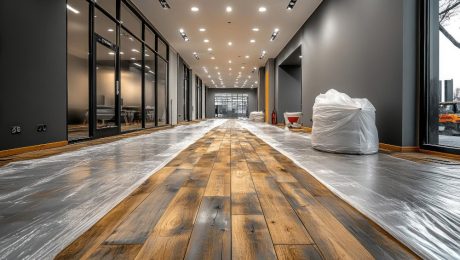
Selecting the right commercial flooring is a critical decision for businesses operating in high-traffic environments. Unlike residential products, commercial flooring must withstand constant foot traffic, heavy equipment movement, regular cleaning, and strict safety requirements. Performance, durability, and compliance standards play a major role in determining which material is suitable for a particular business setting.
Different industries have different needs. Offices often prioritise acoustic comfort and professional aesthetics, while retail stores require scratch resistance and visual appeal. Healthcare and hospitality venues focus on hygiene, slip resistance, and easy maintenance. Understanding how commercial flooring performs under these conditions helps business owners make informed, long-term decisions rather than short-term cost-based choices.
Before selecting materials, it is important to compare available commercial vinyl flooring samples solutions to ensure the chosen commercial flooring aligns with traffic intensity, safety standards, and maintenance expectations.
There are several popular commercial flooring options designed for specific environments:
Each commercial flooring type offers unique advantages. Vinyl-based systems are known for moisture resistance and ease of cleaning. Carpet tiles improve acoustic control and allow individual tile replacement. Hybrid products provide durability with contemporary timber-look finishes.
Selecting appropriate commercial flooring depends on foot traffic levels, cleaning frequency, load requirements, and aesthetic goals.
Durability is one of the most important factors when evaluating commercial flooring. Heavy foot traffic, furniture movement, and cleaning equipment place stress on surfaces daily. High-quality commercial flooring includes thicker wear layers and reinforced cores to prevent premature damage.
Compliance is equally important. Many commercial flooring products carry slip resistance ratings and fire compliance certifications. Businesses operating in regulated industries must ensure their commercial flooring meets relevant Australian safety standards.
Subfloor preparation also affects long-term performance. Uneven or damaged subfloors can compromise installation quality and reduce product lifespan.
The cost of commercial flooring varies depending on material type, wear rating, and installation complexity. While premium products may involve higher upfront costs, they often reduce maintenance expenses and replacement frequency over time.
Key cost factors include:
Investing in durable commercial flooring protects business operations from unnecessary downtime and costly repairs.
Commercial flooring influences both functionality and brand perception. Clean, well-maintained flooring enhances professionalism and contributes to a safe working environment. Selecting materials designed specifically for commercial use ensures performance standards are met.
When evaluating commercial flooring, business owners should focus on durability, compliance, lifecycle cost, and installation expertise rather than simply choosing the lowest quote.
For businesses seeking reliable commercial flooring solutions, Melbourne Flooring provides expert product guidance and professional installation tailored to commercial environments. Our team ensures durable, compliant flooring systems designed for long-term performance and operational efficiency. Contact our team for a free consultation.
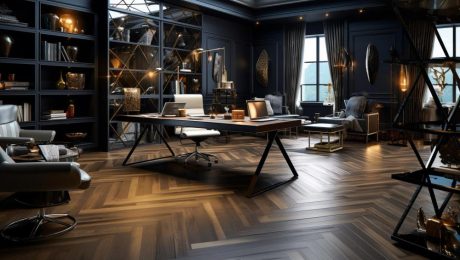
Selecting the right commercial flooring is a critical decision for businesses across retail, office, hospitality, and industrial sectors. Flooring in commercial environments must withstand heavy foot traffic, frequent cleaning, and long operating hours without compromising appearance or safety. Unlike residential products, it is engineered for durability, compliance, and long-term performance under demanding conditions.
Every business has unique requirements. An office space may prioritise acoustic comfort and professional appearance, while a retail environment requires scratch resistance and visual impact. Industrial facilities often focus on safety, slip resistance, and load-bearing capacity. Understanding these performance factors ensures the chosen flooring aligns with operational needs and regulatory standards.
Before finalising a product, it is important to compare different commercial flooring solutions available for commercial applications. Evaluating material type, installation method, maintenance requirements, and lifecycle cost helps businesses make informed decisions.
There are several popular commercial flooring materials suited to different environments:
Each type of flooring offers specific advantages. Vinyl options provide moisture resistance and easy maintenance. Carpet tiles improve acoustic performance and allow for selective replacement. Hybrid and engineered timber options combine durability with premium visual appeal.
Choosing the right flooring depends on foot traffic levels, cleaning frequency, exposure to moisture, and aesthetic goals.
The cost of commercial flooring varies depending on:
High-traffic areas typically require thicker wear layers and commercial-grade finishes. While upfront costs may be higher, investing in durable flooring reduces long-term maintenance and replacement expenses.
Professional installation is also critical. Incorrect installation can compromise performance and void product warranties. Businesses should ensure experienced installers manage subfloor preparation and product application.
Commercial environments often require compliance with safety and building standards. Slip resistance ratings, fire resistance classifications, and acoustic performance may be mandatory depending on the setting.
Reliable commercial flooring solutions should:
Businesses benefit from selecting flooring designed specifically for their industry rather than adapting residential products for high-traffic use.
Flooring contributes significantly to brand image and customer experience. Clean, well-maintained flooring enhances professionalism and improves workplace comfort. Durable materials also reduce operational disruptions caused by repairs or premature replacement.
When selecting flooring, businesses should evaluate long-term value rather than focusing solely on initial pricing. Material performance, warranty coverage, and installation expertise all influence lifecycle cost.
For businesses seeking high-quality commercial flooring solutions, Melbourne Flooring provides expert product guidance and professional installation tailored to commercial environments. Our team ensures durable, compliant flooring systems designed for performance, safety, and long-term reliability. Contact us for a free quote.

Let's socialize
Copyright © 2018 Melbourne Flooring . All rights reserved. Designed by Momawebmasters
Monday - Friday 9AM - 5PM
Saturday 10AM - 3PM
Sunday by appointment only
Bayswater Branch
Address: 20 Scoresby Road, Bayswater VIC 3153
Phone: 03 9070 8292
Oakleigh Branch
Address: 200 Warrigal Rd, Oakleigh VIC 3166
Phone: 03 4060 1415


