




The best floor is not always the most expensive one, the darkest one, or the one that looks nicest in a tiny sample square under perfect lighting. Flooring has to survive real life, which is far less elegant than a showroom display. Shoes, pets, chairs, spills, furniture, cleaning products and daily foot traffic all have opinions, and most of them are rude.
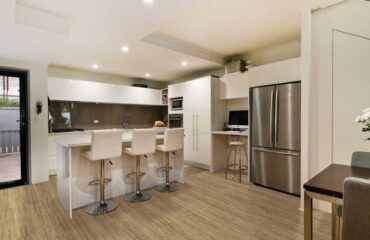
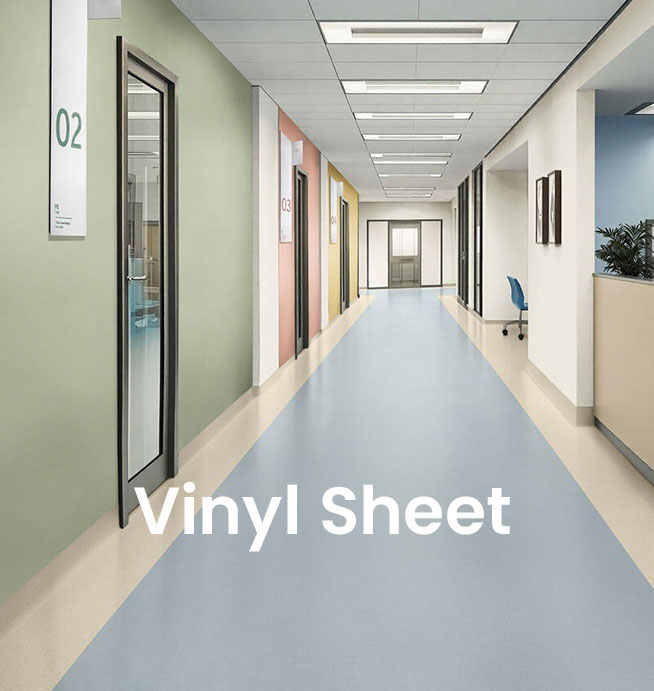
That is why choosing the best vinyl plank flooring should start with performance, not just appearance. Vinyl plank flooring is popular because it can deliver a timber-look finish with water resistance, durability and easier maintenance than many traditional flooring options. The right product can suit living spaces, kitchens, bedrooms, offices, rental properties and selected commercial areas when it is matched properly to the space.
Look Beyond the Timber-Look Finish
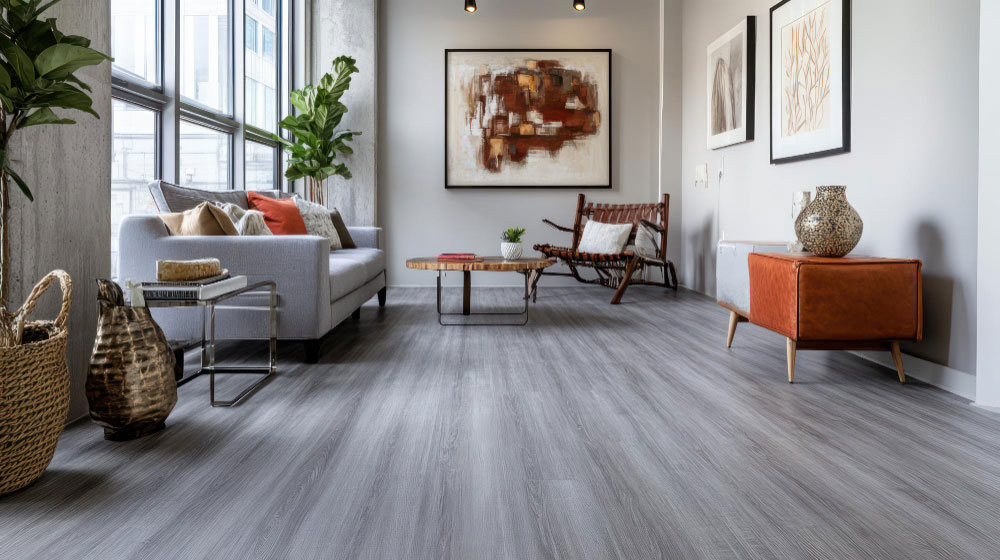
A realistic timber design is one of the biggest reasons people choose vinyl planks. Modern products can replicate oak, blackbutt, spotted gum, grey-wash timber and warmer brown tones with impressive detail. But appearance should only be the first filter, not the whole decision.
A good vinyl plank should also have a strong wear layer, stable construction, reliable backing, a suitable surface texture and a finish that can handle the level of use expected in the room. A beautiful floor that scratches easily or wears quickly is not a smart investment. It is just a very attractive future complaint.
Wear Layer: The Detail People Often Miss
The wear layer is one of the most important features to compare. This protective top layer helps defend the printed design from scuffs, scratches and everyday wear. In general, spaces with heavier use need a stronger wear layer than quiet rooms.
For example, a bedroom may not need the same specification as a busy living area, retail space, office or rental property. If the floor will deal with pets, children, rolling chairs, customers or frequent cleaning, the wear layer becomes even more important.
When comparing quality vinyl plank flooring options, ask about the wear layer, slip rating, water resistance, warranty, installation method and suitability for the intended space. These details are far more useful than vague promises about a product being “premium,” which is a word the flooring industry throws around like confetti.
Water Resistance and Everyday Practicality
Vinyl plank flooring is often chosen for areas where moisture can be part of daily life. Kitchens, dining areas, entryways and shared spaces can all benefit from a surface that is easier to clean and more forgiving than natural timber.
That does not mean the floor should be flooded or ignored after spills. Water-resistant flooring still performs best when spills are cleaned quickly and the correct maintenance routine is followed. The benefit is that vinyl planks are generally designed to cope better with everyday moisture exposure than many timber-based products.
Comfort, Sound and Surface Feel
Flooring should not only look good. It should feel suitable underfoot. Vinyl planks can provide a more comfortable surface than tiles and may feel warmer in daily use. Depending on the product and installation method, they can also help reduce some impact noise compared with harder surfaces.
Surface texture is also worth checking. Some finishes feel smoother, while others provide more grip and a more natural timber-like feel. This can matter in kitchens, entry areas, commercial interiors and homes with pets or older residents.
Choosing the Right Installation Method
Vinyl planks are available in different installation systems, including loose lay, glue-down and click-lock options. Each method has its own advantages, and the best choice depends on the room, subfloor, expected traffic and whether future plank replacement is important.
Loose lay vinyl planks can be useful when individual plank replacement is a priority. Glue-down installation can suit areas that need a stable and secure finish. Click-lock systems may be suitable for selected projects where fast installation and floating floor construction are preferred.
No matter which method is used, subfloor preparation still matters. Uneven surfaces, moisture issues or poor preparation can affect how the finished floor looks and performs. A high-quality product installed badly is still a bad floor, just with better branding.
Colour and Plank Size Can Change the Whole Space
Lighter vinyl planks can make a room feel more open and relaxed. Deeper colours can create contrast and a more dramatic interior. Neutral timber tones are often easier to style because they work with more furniture, paint colours and future design changes.
Plank width and length also affect the final look. Wider planks can feel more modern and spacious, while narrower planks may create a more traditional effect. Before making a final decision, it is worth viewing samples in the actual space because lighting can change everything. The sample that looked perfect in one room may suddenly look oddly yellow, grey or flat somewhere else. Naturally, the floor waits until after installation to reveal this if nobody checks properly.
How to Know You Are Choosing Well
The best vinyl plank flooring is the option that suits the room’s function, traffic level, cleaning needs, design style and budget. It should look good, feel stable, resist everyday wear and be simple to maintain.
Before choosing a product, compare samples, check technical details, ask about installation requirements and think honestly about how the space will be used. A practical flooring decision should balance appearance with performance, because good flooring should not need constant babysitting.
For help comparing products, samples and installation methods, arrange product guidance with our team and choose vinyl planks that suit the space properly.