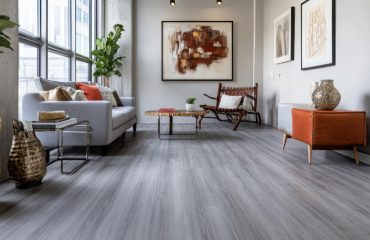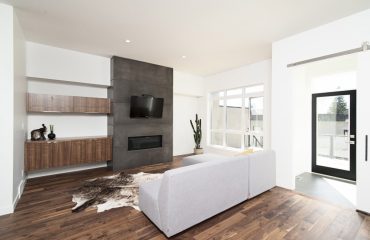





Hybrid flooring has gained attention as a modern alternative to traditional timber, laminate, and vinyl surfaces. It is designed to combine the waterproof performance of vinyl with the structural rigidity of laminate, offering a floor that looks like timber but behaves differently under pressure, moisture, and daily wear.
Unlike solid hardwood or standard laminate boards, hybrid planks use a rigid composite core. This structure improves dimensional stability and reduces the likelihood of swelling when exposed to spills or changes in humidity. For many households, this combination of durability and design flexibility makes hybrid flooring an appealing option.
If you are comparing materials, reviewing different hybrid flooring samples can clarify how core type, thickness, and wear layer quality affect long-term performance.
How Hybrid Flooring Is Constructed
Understanding how hybrid flooring is built explains why it performs differently from other materials.
Core Technology – SPC vs WPC
Most hybrid products use either:
- SPC (Stone Polymer Composite) core – denser, more rigid, thinner profile
- WPC (Wood Polymer Composite) core – slightly softer, thicker, more cushioning
SPC tends to perform better in high-traffic environments due to its density. WPC may feel warmer and slightly softer underfoot.
Wear Layer Protection
The top layer is transparent and protective. Its thickness determines scratch resistance and longevity. Thicker wear layers perform better in homes with pets, heavy furniture, or high foot traffic.
Below the wear layer sits a decorative film that replicates timber grain. Modern manufacturing techniques create realistic embossing that aligns texture with printed grain.
The Real Advantages of Hybrid Flooring
High quality hybrid flooring offers several practical strengths.
1. Waterproof Construction
The rigid core does not swell when exposed to water. This makes the hybrid suitable for kitchens and living spaces where spills are common.
2. Dimensional Stability
Because of its rigid core, boards expand and contract less than traditional laminate.
3. Floating Installation
Most systems use click-lock mechanisms, allowing for faster installation without adhesives.
4. Timber-Look Aesthetics
Wide plank formats and embossed textures create a realistic wood appearance without the maintenance of natural timber.
The Real Disadvantages You Should Consider
No flooring material is perfect. Hybrid flooring also has limitations.
1. Surface Can Feel Firm
SPC-based boards are dense and rigid. While durable, they may feel harder underfoot compared to engineered timber.
2. Cannot Be Refinished
Unlike engineered or solid timber, hybrid flooring cannot be sanded or refinished once the wear layer is damaged.
3. Subfloor Preparation Still Matters
Although marketed as forgiving, hybrid planks still require level subfloors. Imperfections beneath can create movement or hollow sounds.
4. Not Immune to Surface Scratches
While resistant, the wear layer is not indestructible. Heavy dragging of furniture or abrasive debris can cause visible marks.
Understanding both strengths and limitations ensures realistic expectations.
Where Hybrid Flooring Performs Best
Hybrid flooring works particularly well in:
- Open-plan living areas
- Kitchens
- Apartments
- Renovation projects
- Concrete slab homes
Because it is waterproof, it provides reassurance in areas where timber might be vulnerable. However, correct expansion gaps and installation guidelines must still be followed.
Cost Considerations
Hybrid flooring sits between laminate and engineered timber in pricing.
Cost varies based on:
- Core type (SPC vs WPC)
- Wear layer thickness
- Board size
- Texture and finish
- Installation complexity
While entry-level ranges are affordable, premium products with thicker wear layers and advanced locking systems cost more.
Subfloor levelling and removal of existing flooring should be factored into total project cost.
Long-Term Performance Expectations
When properly installed, hybrid flooring can provide 15–25 years of service in residential environments. Longevity depends on traffic levels, wear layer thickness, and maintenance habits.
Routine sweeping and damp mopping are generally sufficient. Avoid harsh chemicals and dragging heavy objects without protection.
Because hybrid boards cannot be refinished, choosing an appropriate wear layer thickness at the start is important for long-term value.
Is Hybrid Flooring Worth It?
Hybrid flooring is worth considering if waterproof performance and dimensional stability are priorities. It provides visual appeal with lower maintenance than natural timber.
However, buyers who value the ability to refinish or prefer a softer underfoot feel may lean toward engineered timber instead.
The right choice depends on room usage, budget, and expectations for long-term maintenance.
Professional Guidance and Installation
Melbourne Flooring supplies and installs hybrid flooring, assisting with product selection, subfloor preparation assessment, and installation tailored to each space. The focus is on durable, well-prepared flooring that performs reliably over time. Contact us for a free quote.