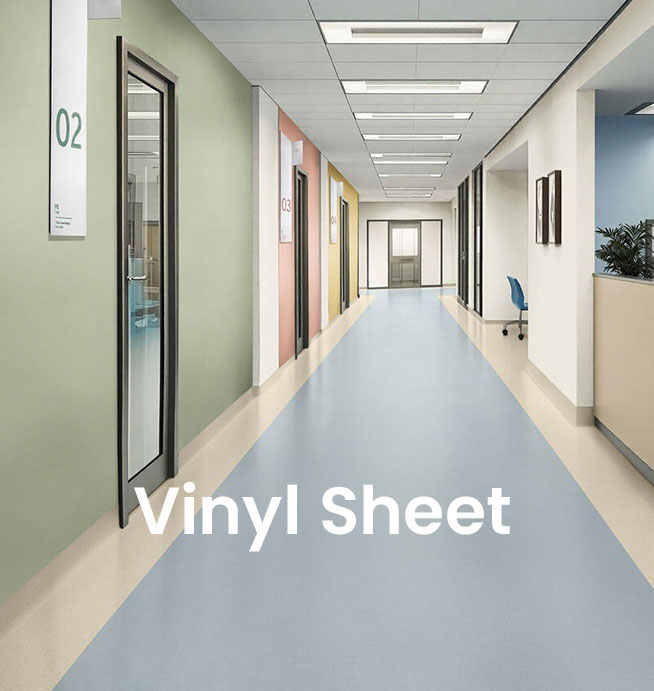



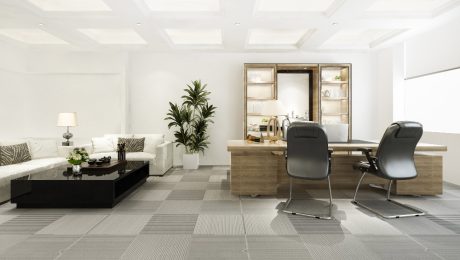
Selecting commercial vinyl tile Melbourne businesses can rely on requires more than choosing a colour or pattern. Commercial environments demand flooring that can withstand heavy foot traffic, regular cleaning, furniture movement, and compliance standards. Commercial vinyl tile Melbourne installations are engineered with reinforced wear layers and stable backing systems to ensure durability in demanding business settings.
Unlike residential-grade products, commercial vinyl tile Melbourne options are manufactured to meet stricter performance standards. They are designed to resist scratching, denting, and moisture exposure while maintaining a professional appearance. Whether used in offices, retail stores, healthcare clinics, or hospitality venues, commercial vinyl tile Melbourne solutions offer both functional performance and aesthetic flexibility.
Before committing to a product, it is important to compare available vinyl tile flooring samples to ensure the selected commercial vinyl tile Melbourne meets wear rating requirements, slip resistance classifications, and installation specifications.
There are several reasons why commercial vinyl tile in Melbourne remains a popular choice across multiple industries:
One key advantage of commercial vinyl tile Melbourne systems is modularity. If a section becomes damaged, individual tiles can often be replaced without removing the entire floor. This reduces downtime and long-term maintenance costs for businesses.
In addition, many commercial vinyl tile Melbourne products are available in timber-look, stone-look, and contemporary finishes, allowing businesses to maintain brand consistency without sacrificing performance.
Commercial vinyl tile Melbourne is suitable for a wide range of business environments, including:
In high-traffic corridors and reception areas, commercial vinyl tile Melbourne offers resilience against constant foot movement. Its surface construction helps prevent premature wear while maintaining a clean and professional appearance.
Proper installation is essential. Subfloor preparation, moisture testing, and adhesive selection all influence the long-term performance of commercial vinyl tile Melbourne systems.
The cost of commercial vinyl tile Melbourne installations depends on:
While commercial vinyl tile Melbourne may involve a higher upfront investment than residential-grade vinyl, it typically provides better long-term value due to reduced maintenance and replacement frequency.
Professional installation ensures correct adhesion, seam alignment, and compliance with manufacturer guidelines. Improper installation can compromise durability and void warranties.
Commercial vinyl tile Melbourne offers a balance between durability, design flexibility, and cost efficiency. Its ability to handle heavy foot traffic while maintaining visual appeal makes it suitable for businesses seeking reliable flooring solutions.
When evaluating commercial vinyl tile Melbourne, business owners should consider wear rating, slip resistance classification, warranty coverage, and lifecycle cost. Choosing commercial-grade materials ensures long-term performance rather than short-term savings.
For businesses seeking high-quality commercial vinyl tile Melbourne solutions, Melbourne Flooring provides expert product guidance and professional installation tailored to commercial environments. Our team ensures durable, compliant flooring systems designed for long-term operational reliability. Get in touch with us to request a free quote.
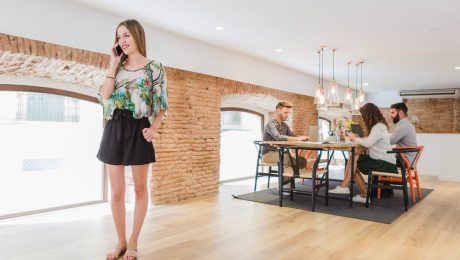
Choosing commercial vinyl tile Melbourne businesses rely on requires careful consideration of durability, safety, and long-term maintenance. Commercial environments experience significantly higher foot traffic compared to residential settings, placing greater stress on flooring materials. Commercial vinyl tile Melbourne installations are designed to withstand daily wear while maintaining a professional appearance suitable for offices, retail spaces, healthcare facilities, and hospitality venues.
Commercial vinyl tile offers a combination of resilience and design flexibility. Available in a wide range of colours, textures, and finishes, it can replicate timber, stone, or contemporary patterns while delivering superior moisture resistance. Many commercial vinyl tile Melbourne products are engineered with heavy-duty wear layers that protect against scratches, dents, and scuffs common in business environments.
Before selecting a product, it is important to review available commercial vinyl tile flooring solutions to ensure the chosen commercial vinyl tile Melbourne option aligns with traffic levels, safety requirements, and installation conditions.
The demand for commercial vinyl tile Melbourne installations continues to grow due to its performance advantages and cost efficiency. Key benefits include:
Unlike sheet vinyl, commercial vinyl tile Melbourne systems allow individual tiles to be replaced if damaged. This reduces downtime and long-term maintenance costs for businesses.
In addition, many commercial vinyl tile Melbourne products meet safety compliance standards, including slip resistance and fire ratings, making them suitable for regulated commercial environments.
Commercial vinyl tile Melbourne is suitable for a wide range of business environments, including:
In high-traffic corridors and reception areas, commercial vinyl tile Melbourne provides durability without compromising visual appeal. Its design versatility allows businesses to align flooring choices with brand identity while maintaining practical performance.
Installation methods may vary depending on traffic intensity and subfloor conditions. Professional assessment ensures the correct adhesive and preparation techniques are used for optimal results.
The cost of commercial vinyl tile Melbourne installations depends on several factors:
While commercial vinyl tile Melbourne may involve higher upfront investment than residential-grade vinyl, it typically delivers stronger long-term value due to durability and reduced maintenance needs.
Subfloor preparation is critical. Uneven or damaged subfloors can compromise tile adhesion and lifespan. Professional installation ensures performance standards are met and product warranties remain valid.
Commercial vinyl tile Melbourne provides a practical balance between performance, cost efficiency, and aesthetic flexibility. Its modular design, moisture resistance, and durability make it suitable for businesses seeking reliable flooring solutions without excessive maintenance demands.
When selecting commercial vinyl tile Melbourne, businesses should consider wear ratings, slip resistance classifications, warranty coverage, and long-term maintenance requirements. Expert guidance ensures the chosen product aligns with operational needs and safety standards.
For businesses seeking high-quality commercial vinyl tile Melbourne solutions, Melbourne Flooring provides expert product selection and professional installation tailored to commercial environments. Our team ensures durable, compliant flooring systems designed for long-term reliability and performance. Contact us for a free quote.

Commercial vinyl flooring is a great solution for businesses that would like to install long-lasting durable flooring on their premises. There are different suppliers of commercial flooring in Australia. Finding the right flooring supplier and product can often be a tedious task.
When installed correctly, vinyl floors look amazing. Designed to replicate a large number of different styles, you can get the aesthetic appeal of something luxurious at a fraction of the price.
Vinyl flooring can be used to mimic wood, natural stone and tiles, all in a variety of colours and patterns, all while allowing durability and easy maintenance – something which appeals to a large number of commercial users even commercial kitchen vinyl flooring. For more information on commercial vinyl flooring prices and types, you can contact us.
1. Choice of design and type
Designs and manufacture have come a long way since vinyl first appeared on the scene. Vinyl flooring comes primarily in three sizes. Vinyl sheeting is a modern variation of old linoleum, and allows for texture in your flooring, with ease of installation. The fact sheet vinyl can be installed in just one or two solid unbroken pieces means it is a better barrier to moisture, which is why in areas where moisture is a regular occurrence such as the kitchen, it is often chosen over planks and tiles.
Vinyl tiles enable you to make a pattern on your floor area or create a more natural look. Vinyl planks mimic hardwood planks and come in a range of lengths and widths – small herringbone pieces for example enable you to recreate a traditional floor style that is still very much on-trend.
2. Durability and sustainability
Vinyl flooring is extremely durable. There are a number of coating options you can choose to help increase scuff and mark protection, but vinyl is usually resistant enough in areas of normal foot traffic.
One extra advantage of vinyl tiles and planks is the ability to change certain areas of the floor without needing to replace the whole area, so is a great option for busy offices and commercial kitchens. It is a cost-saving option in the long run. For even speedier installation and the ability to change the flooring, loose lay is the perfect solution. Another advantage is that vinyl has become a more sustainable option, usually containing a high proportion of recycled material.
3. Ease of maintenance and installation
One key advantage of vinyl over its fabric counterparts is its ease of cleaning. Vinyl resists liquid, so any spillages or drops can quickly be mopped up, and they won’t sink into the material and leave a stain. Dust and dirt can easily be cleaned from vinyl flooring too, which makes it ideal for areas that need to maintain high hygiene standards. For more details on how easy it is to maintain contact us and talk to our experts.

One of the most difficult and challenging home remodeling tasks is trying to remove an old linoleum or vinyl flooring. Even when the linoleum is removed, things only get worse because you’re faced with gobs of old glue or adhesives that seem all over the floor.
Linoleum & Vinyl Flooring Removal Considerations
Removing old linoleum or vinyl is time-consuming and difficult because wood, which is a common subfloor, is porous and so absorbs the adhesives. The reason why linoleum glue must be removed from the wood or any other subfloor is that some older adhesives had oils in them that chemically react with new vinyl and cause yellow discoloration.
The second reason the glue or any other adhesives must be removed from vinyl flooring is that the new floor covering can become brittle. In addition, any bumps or cracks in an old floor will appear on your new linoleum.
It is necessary for homeowners to be aware that asbestos was used in some old linoleum and flooring adhesives, particularly those made in the 1970s and earlier. It has some serious health risks when working with this material. If you’re not sure about possible asbestos, break a small piece and take it to an asbestos abatement firm for testing.
If there is no asbestos in your flooring materials, there are three ways you can remove vinyl or linoleum floors by yourself, depending on the subfloor.
Buying or renting the following tools will make your task much easier to remove any vinyl or linoleum floor:
When your subfloor made up of plywood, you have two different choices:
First, you can cut the old flooring into parallel strips about 6 inches wide using a utility knife. You can use a hammer to tap a stiff putty knife or brick chisel under the linoleum to break it loose. Pull up the linoleum in strips to reveal the backing or the glue. Once you removed the surface layer, use a paint scraper to remove the linoleum glue. Using a heat gun to soften the glue as you scrape it away can help you to do the task easier.
To remove the linoleum and subfloor altogether, drill a hole through the floor to figure out how thick the plywood is. Set the saw blade to cut just 1/8 inch deeper and cut away a section of flooring on one corner of the room. To cut flush against the walls, use a reciprocal saw, be careful not to cut the floor joists. Cut the floor into small sections about 3 or 4 feet long as you continue to remove it.
While this option would be more labor intensive, it eliminates the step of removing linoleum or vinyl glue.
Steps to remove linoleum or vinyl glued to wood is very similar to the process mentioned above.
Firstly, remove enough covering in a corner till you can find which way the flooring runs. Cut 6-inch-wide strips in the same direction the floor runs to minimize any chances of cutting across the grain. Contrary to a plywood subfloor, we have to be very careful as we scrape since we want to keep that beautiful hardwood below without any damages.
Set the utility knife blade just deep enough to get through the linoleum or vinyl. Heat the linoleum with a heat gun and then pry it and the glue up while the glue is still soft. Scrape away as much of the glue as you can while being careful not to damage the floor. Clean the floor very well and then sand away any remaining glue and refinish the floor.
This is probably the easiest type of subfloor to remove linoleum or vinyl flooring.
Cut the flooring into strips about 6 inches wide. Pull up the linoleum in strips to reveal the linoleum glue. Use a heat gun to soften it, and then pull it off. The remaining glue can be scraped using a floor scraper or soaked overnight with water and dish soap, which helps soften the glue. Finally, use a paint scraper to remove the linoleum glue.
A very common alternative to removing old linoleum or vinyl floors is to put a new one right over it. If the existing floor is still smooth or can be smoothed with a few patches, then the new floor can be laid on top of the old vinyl or linoleum floor.
If you prefer to place a new flooring type on top of your linoleum or vinyl floor, you have two different options. First, a layer of 1/4-inch plywood is laid over the old floor to provide a smooth base and then you can place the new resilient floor on top of it. The second option would be raising the old floor with a self-leveling concrete, about 1/8-inch thick. The put the new floor on that.
We at Melbourne Flooring provide some of the lowest prices and quality services in the supply and installation of floors.

Let's socialize
Copyright © 2018 Melbourne Flooring . All rights reserved. Designed by Momawebmasters
Monday - Friday 9AM - 5PM
Saturday 10AM - 3PM
Sunday by appointment only
Bayswater Branch
Address: 20 Scoresby Road, Bayswater VIC 3153
Phone: 03 9070 8292
Oakleigh Branch
Address: 200 Warrigal Rd, Oakleigh VIC 3166
Phone: 03 4060 1415