





R10. R11. P4. Textured. Waterproof. Safety vinyl.
A sample board can make those labels look interchangeable. They are not.
The useful question is not, “Which floor feels roughest?” It is, “Which product has been tested for the conditions this kitchen will actually create?” Water near a sink, cooking oil beside a cooktop and detergent residue after mopping do not present the same type of risk.
When comparing slip-resistant vinyl sheet flooring for kitchens in Melbourne, look beyond the marketing description. The test method, product format, cleaning instructions and intended use all need to support the decision. The test method, product format, cleaning instructions and intended use all need to support the decision.
“Non Slip” Is a Search Term, Not an Absolute Guarantee
No pedestrian surface can guarantee that nobody will ever slip. In practice, “non slip” is commonly used to describe flooring designed to provide enhanced traction, but the more accurate term is slip-resistant flooring.
Australian Standard AS 4586 sets out methods for classifying new pedestrian surface materials according to their frictional characteristics. A product should therefore be assessed through documented test information rather than appearance or texture alone.
A deeply embossed surface may look secure, but visible texture does not tell you how the product was tested, what contamination was used or whether the result applies to the intended kitchen.
Read the Test Method Before the Rating
A product sheet may display more than one slip classification. For example, some safety-vinyl specifications list both a P classification and an R classification because the results come from different test methods.
Those labels should not be treated as direct translations of one another. Ask the supplier which test produced the result and whether that test is relevant to the environment being assessed. Some current safety-vinyl specifications, for example, report both P4 and R11 results under separate testing methods.
The rating is only one part of the specification. You should also review:
- Intended use area
- Surface construction
- Wear layer
- Product thickness
- Cleaning requirements
- Footwear conditions
- Type of likely contamination
- Manufacturer installation guidance
The right result is not simply the highest number on the page. It is the classification and product system that suit the actual risk.
Map the Kitchen Into Three Spill Zones
Instead of treating the whole room as one identical surface, consider where contamination is most likely to occur.
| Kitchen zone | Typical contamination | What to discuss with the supplier |
|---|---|---|
| Sink and dishwasher | Water, detergent and food residue | Wet slip information, edge details and cleaning method |
| Cooktop and food preparation | Oil, grease and dropped ingredients | Suitability for oily contamination and frequent degreasing |
| Entry and dining transition | Tracked moisture, dust and chair movement | Surface durability, entrance matting and transition details |
This simple map helps explain why two kitchens may need different products. A compact residential kitchen with occasional spills is not the same specification as a restaurant preparation area exposed to grease throughout the day.
Separate Residential Kitchens From Commercial Kitchens
A domestic kitchen usually needs a floor that balances grip, cleanability, comfort and visual continuity with nearby living areas.
A commercial kitchen may introduce heavier grease contamination, more frequent cleaning, wheeled equipment and longer periods of operation. Manufacturers offer specialist safety-vinyl ranges for environments where contamination is likely, including professional kitchens, food-preparation areas and light food-production spaces.
For a café, restaurant, food servery or institutional kitchen, review the wider commercial flooring requirements rather than selecting a product from a residential sample alone. The project may also require specific seam, edge, cleaning and subfloor details.
The room name does not determine the specification. The way the kitchen operates does.
Do Not Automatically Choose the Roughest Surface
More texture can support traction, but it can also influence cleaning. A product needs to maintain suitable grip without becoming unnecessarily difficult to keep hygienic.
This is why safety-flooring manufacturers combine tested slip-resistant construction with surface treatments intended to support cleaning and appearance retention. The objective is not maximum roughness at any cost. It is a practical balance between underfoot safety, contamination level and maintenance.
Ask who will clean the floor, how often it will be cleaned and which products or equipment will be used. A specification that cannot be maintained properly is not a strong long-term choice.
Cleaning Is Part of Slip Performance
A tested floor can still become hazardous when oil, soap or detergent residue remains on the surface.
Manufacturer guidance for vinyl flooring recommends prompt spill removal, clean equipment, correctly diluted cleaning solutions and rinsing where residue remains. Some safety-flooring guidance also warns that polishes or floor dressings may impair slip resistance.
For everyday use:
- Remove spills promptly
- Sweep or vacuum loose grit
- Use the cleaner recommended for the product
- Follow dilution instructions
- Avoid leaving soap or polish residue
- Rinse when the maintenance guide requires it
- Replace dirty mop heads rather than spreading contamination
A slip-resistant surface and a poor cleaning routine are a bad combination.
Check Whether Sheet Vinyl Suits the Layout
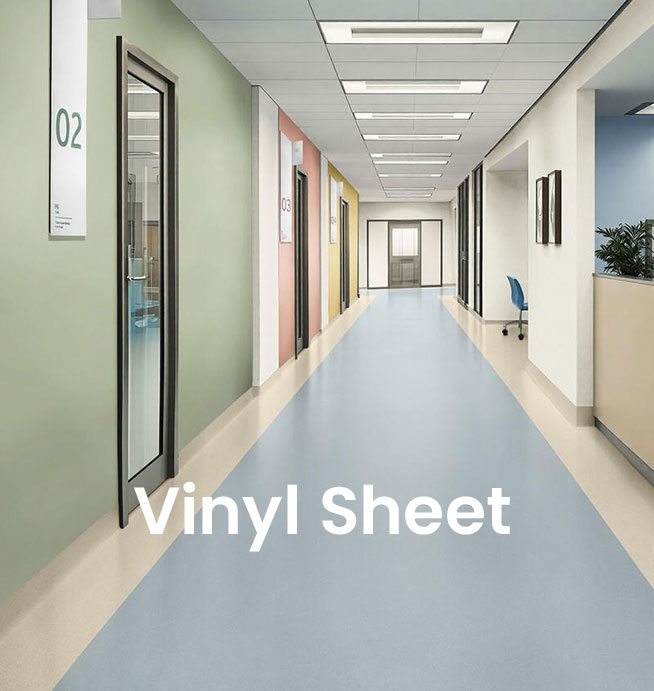
For many kitchens, vinyl sheet flooring for wet and high-use kitchen areas is worth comparing because sheet formats can cover the floor with fewer joins than many smaller-format flooring products.The final suitability still depends on the exact range, room dimensions and installation details.
Subfloor preparation is critical. Uneven areas, moisture problems or adhesive residue can affect the finished surface. Edges, doorways, transitions and joins also need to be planned before installation begins.
If the kitchen connects directly to a dining or living area, discuss whether one product should continue throughout or whether the higher-risk zone needs a different specification.
Melbourne Flooring’s vinyl sheet range currently includes products with stated R10 and R11 classifications, as well as safety flooring designed for wet or high-use areas.
You can compare vinyl sheet flooring colours, finishes and slip-rated samples before narrowing the product list, then review the relevant technical information for the shortlisted products.
Ask for Evidence, Not Just Reassurance
Before approving a product, request the information that supports its use.
A useful product check should include:
- Manufacturer and product range
- Exact colour and product code
- Slip test result and test method
- Intended residential or commercial use
- Wear layer and total thickness
- Cleaning and maintenance document
- Installation requirements
- Product and installation warranty
- Confirmation that the sample matches the quoted product
Keep this information with the quotation. It provides a reference when the material arrives and when cleaning instructions are handed over.
Use This Quick Selection Check
| Kitchen condition | Product information to request |
|---|---|
| Occasional water near the sink | Tested wet-slip information and water-resistance details |
| Frequent cooking and food spills | Surface-cleaning guidance and stain resistance |
| Regular oil or grease contamination | Confirmation that the product is designed for oily contamination |
| Open-plan kitchen and living area | Colour continuity, acoustic performance and suitable transitions |
| Café or restaurant preparation zone | Commercial use classification, specialist safety data and maintenance plan |
| Existing uneven floor | Subfloor inspection and preparation requirements |
This table is a starting point, not a substitute for a site-specific assessment. The required product will depend on how the space is used, maintained and installed.
The Specification Matters More Than the Slogan
The best kitchen floor is not defined by one rating, one texture or one product claim. It is selected by matching verified performance to the spill pattern, footwear, traffic and cleaning routine of the room.
Start with the kitchen zones. Identify whether water, soap, oil or heavy grease is the main concern. Then compare documented slip information, maintenance requirements and installation details.
To compare suitable products, review the existing floor and organise a site assessment, request a free advice and quote from our team.