

Selecting the right commercial flooring is a critical decision for businesses operating in high-traffic environments. Unlike residential products, commercial flooring must withstand constant foot traffic, heavy equipment movement, regular cleaning, and strict safety requirements. Performance, durability, and compliance standards play a major role in determining which material is suitable for a particular business setting.
Different industries have different needs. Offices often prioritise acoustic comfort and professional aesthetics, while retail stores require scratch resistance and visual appeal. Healthcare and hospitality venues focus on hygiene, slip resistance, and easy maintenance. Understanding how commercial flooring performs under these conditions helps business owners make informed, long-term decisions rather than short-term cost-based choices.
Before selecting materials, it is important to compare available commercial vinyl flooring samples solutions to ensure the chosen commercial flooring aligns with traffic intensity, safety standards, and maintenance expectations.
Types of Commercial Flooring for Different Industries
There are several popular commercial flooring options designed for specific environments:
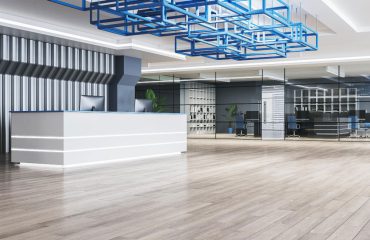
- Vinyl plank and vinyl tile for offices and retail
- Hybrid flooring for light commercial use
- Carpet tiles for corporate spaces
- Safety vinyl for healthcare and food service
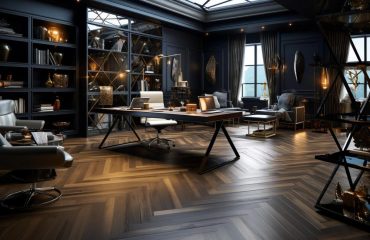
- Engineered timber for hospitality settings
Each commercial flooring type offers unique advantages. Vinyl-based systems are known for moisture resistance and ease of cleaning. Carpet tiles improve acoustic control and allow individual tile replacement. Hybrid products provide durability with contemporary timber-look finishes.
Selecting appropriate commercial flooring depends on foot traffic levels, cleaning frequency, load requirements, and aesthetic goals.
Durability & Compliance Considerations
Durability is one of the most important factors when evaluating commercial flooring. Heavy foot traffic, furniture movement, and cleaning equipment place stress on surfaces daily. High-quality commercial flooring includes thicker wear layers and reinforced cores to prevent premature damage.
Compliance is equally important. Many commercial flooring products carry slip resistance ratings and fire compliance certifications. Businesses operating in regulated industries must ensure their commercial flooring meets relevant Australian safety standards.
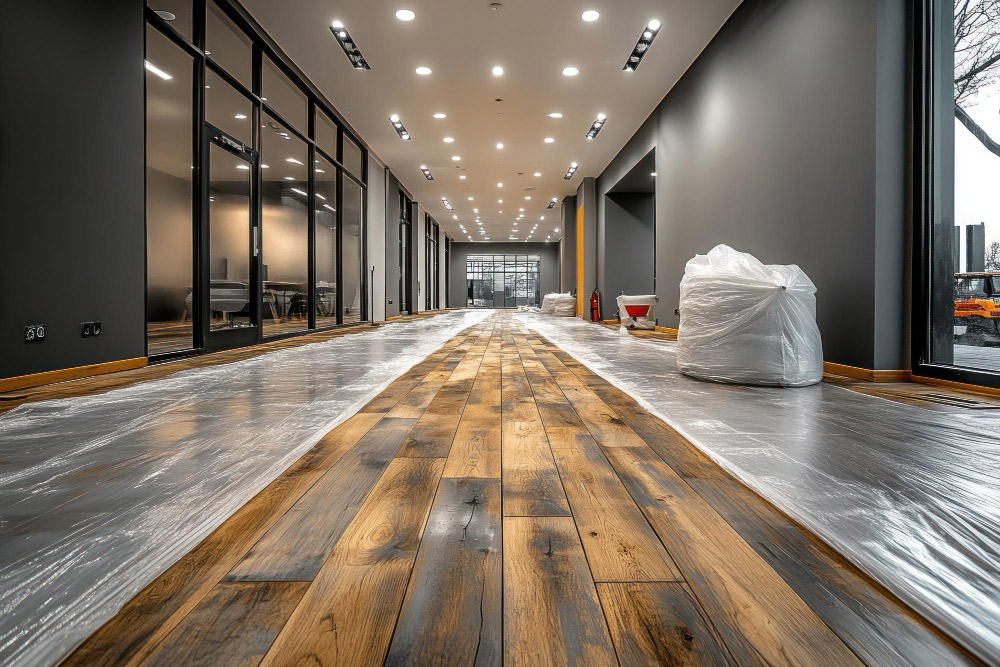
Subfloor preparation also affects long-term performance. Uneven or damaged subfloors can compromise installation quality and reduce product lifespan.
Cost & Long-Term Value
The cost of commercial flooring varies depending on material type, wear rating, and installation complexity. While premium products may involve higher upfront costs, they often reduce maintenance expenses and replacement frequency over time.
Key cost factors include:
- Product grade and wear layer thickness
- Subfloor preparation requirements
- Removal of existing flooring
- Installation method
- Acoustic or safety compliance needs
Investing in durable commercial flooring protects business operations from unnecessary downtime and costly repairs.
Why Choosing the Right Commercial Flooring Matters
Commercial flooring influences both functionality and brand perception. Clean, well-maintained flooring enhances professionalism and contributes to a safe working environment. Selecting materials designed specifically for commercial use ensures performance standards are met.
When evaluating commercial flooring, business owners should focus on durability, compliance, lifecycle cost, and installation expertise rather than simply choosing the lowest quote.
For businesses seeking reliable commercial flooring solutions, Melbourne Flooring provides expert product guidance and professional installation tailored to commercial environments. Our team ensures durable, compliant flooring systems designed for long-term performance and operational efficiency. Contact our team for a free consultation.