

Kitchen flooring has to deal with more than just foot traffic. It faces water splashes, cooking spills, dropped utensils, food stains, heat, cleaning products and the daily chaos of real homes. That is why choosing the right kitchen floor is not only about colour or design. It is also about safety, durability, comfort, and ease of maintenance.
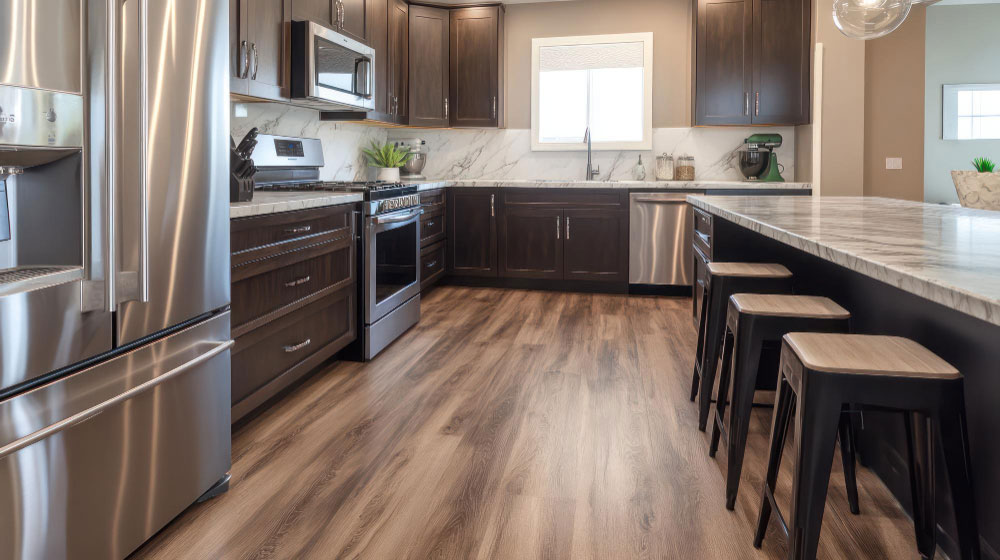
For many homeowners, non-slip vinyl plank flooring for kitchens offers a practical balance between style and everyday performance. It looks like timber, stone, or modern tile-style finishes while providing better moisture resistance and a more forgiving surface underfoot.
Why Kitchen Floors Need Extra Grip
Kitchens are one of the busiest areas in the home. Water near the sink, oil around the cooktop, and crumbs or food spills can quickly make the floor unsafe. A smooth or glossy surface may look clean and modern, but it can become slippery when wet.
This is where textured vinyl flooring can make a real difference. Many vinyl flooring products are designed with surface grip, helping reduce the chance of slips during normal kitchen use. While no flooring can completely remove risk, choosing a surface with better traction is a smart step, especially for family homes, rental properties, older residents, and busy open-plan kitchens.
The Benefits of Vinyl Flooring in Kitchen Spaces
Vinyl flooring has become popular in kitchens because it is made for practical living. It is water-resistant, easy to clean, and available in a wide range of designs. Unlike some timber-based flooring options, vinyl does not react as badly to everyday moisture exposure when installed correctly.
Another advantage is comfort. Kitchens are spaces where people often stand for long periods while cooking, preparing meals, or cleaning. Vinyl provides a softer feel compared with ceramic tiles, which can be hard and cold underfoot. It can also help reduce noise, making it suitable for apartments, townhouses, and family homes where sound control matters.
For homeowners comparing kitchen flooring options, slip-resistant vinyl kitchen flooring is worth considering because it combines safety, durability, and design flexibility in one product category.
Design Options That Still Look Modern
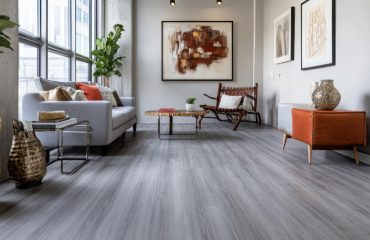
One outdated idea about vinyl flooring is that it only suits basic or budget interiors. Modern vinyl flooring has moved well beyond that. Today’s options can replicate timber planks, stone textures, concrete looks, and contemporary neutral tones. This allows homeowners to match the kitchen floor with cabinetry, benchtops, splashbacks, and open-plan living areas.
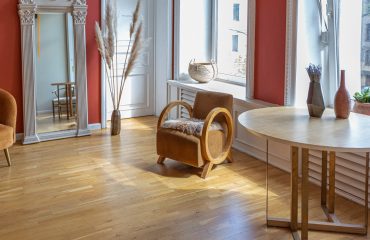
For example, timber-look vinyl can create a warm and natural feel without the same maintenance concerns as real timber in wet areas. Stone-look vinyl can provide a clean, modern finish without the hardness or installation complexity of natural stone or tiles.
What to Consider Before Choosing Vinyl Flooring
Before selecting vinyl flooring for a kitchen, it is important to consider the product’s wear layer, surface texture, installation method, and suitability for wet or high-traffic areas. A kitchen floor should be strong enough to handle chairs, appliances, pets, foot traffic, and regular cleaning.
Subfloor preparation also matters. Even a high-quality vinyl product can perform poorly if installed over an uneven or unsuitable surface. Professional installation helps improve the final result, especially in kitchens where edges, joins, cabinets, and appliance areas need careful attention.
Homeowners should also view samples in person where possible. Lighting, cabinet colour, wall paint, and natural light can all change how a floor looks in the actual space.
Is Non-Slip Vinyl Flooring Right for Your Kitchen?
If you want a kitchen floor that is easy to maintain, comfortable to walk on, and better suited to spills than many traditional flooring options, non-slip vinyl flooring for kitchens can be a strong choice. It suits modern homes, investment properties, apartments, family kitchens, and renovation projects where practicality matters as much as appearance.
The best result comes from choosing the right product, checking the texture and finish, and making sure the installation is completed properly. A good kitchen floor should not only look good on the day it is installed. It should continue performing through years of cooking, cleaning, entertaining, and everyday use.
To compare suitable kitchen flooring options or arrange advice for your home, get accurate pricing with a free quote.