





A commercial floor is rarely judged only by how it looks on installation day. Its real performance becomes clear after months of foot traffic, cleaning, furniture movement, deliveries and daily operations. A surface that appears suitable in a sample may create unnecessary maintenance or replacement costs if it is not matched to the conditions of the building.
For offices, education facilities, healthcare settings, hospitality venues and shared public spaces, commercial linoleum flooring can provide a durable and adaptable surface. However, a successful result depends on more than selecting a colour. Traffic levels, cleaning requirements, subfloor preparation, product format and installation timing should all be considered before the flooring is specified.
Begin With the Operational Requirements
The flooring brief should describe how the area will function rather than focusing only on its appearance. A quiet meeting room has different requirements from a school corridor, reception area, restaurant or healthcare facility.
Before reviewing products, consider:
Daily foot traffic
Furniture and equipment movement
Cleaning frequency
Exposure to moisture or spills
Acoustic requirements
Slip-resistance needs
Expected service life
Access available during installation
These details help determine whether the selected product is appropriate for the environment. They also reduce the risk of choosing a floor based on a design sample that does not reflect the demands of the finished space.
Sheet or Tile: Why the Format Matters
Linoleum is available in different formats, including sheets and tiles. The right format will depend on the layout, design brief and maintenance priorities.
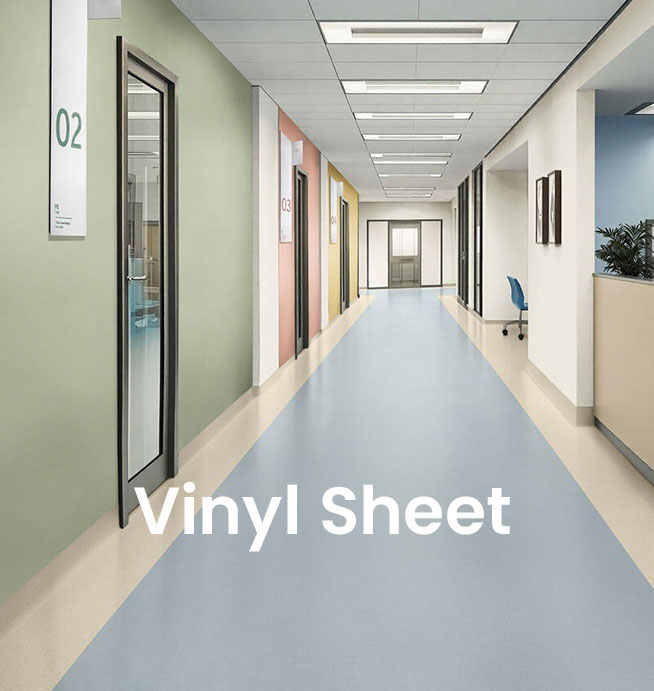
Sheet linoleum can create a more continuous surface with fewer joins. This can be useful in large corridors, education spaces and facilities where straightforward cleaning is important. Installation requires accurate cutting, adhesive application and careful treatment of joins and edges.
Linoleum tiles offer greater flexibility for patterns, zoning and colour combinations. They can suit offices, retail interiors and spaces where the floor is intended to contribute to the overall design. The modular format may also make selected repairs more manageable, depending on the product and installation system.
Customers can view linoleum flooring samples to compare available tones, patterns and formats before finalising a product.
Consider the Entire Life of the Floor
Initial price is only one part of a commercial flooring decision. Installation requirements, maintenance routines, expected durability and potential business disruption also affect long-term value.
A lower-cost surface may become expensive if it requires frequent repairs, specialist cleaning or early replacement. A well-specified linoleum floor can support a longer-term approach by balancing product quality, maintenance needs and anticipated use.
When comparing linoleum flooring for commercial interiors, review more than the price per square metre. Ask about the product’s suitability for the intended traffic level, recommended cleaning system, warranty conditions and installation requirements.
A realistic budget should account for:
Flooring material
Removal of the existing surface
Subfloor repairs or levelling
Moisture testing
Adhesives and installation materials
Trims and transition areas
Installation labour
Access or staging requirements
This gives a more accurate view of the completed project rather than treating the flooring material as the entire cost.
Subfloor Preparation Is Part of the Finished Result
Linoleum follows the surface beneath it closely. Uneven areas, cracks, moisture issues or adhesive residue can affect both appearance and long-term performance.
Before installation, the subfloor may need to be:
Inspected for moisture
Cleaned and cleared of old adhesive
Repaired where damaged
Levelled where uneven
Allowed to dry fully
Prepared with the appropriate primer or smoothing compound
Skipping preparation can lead to visible imperfections, lifting, poor adhesion or premature wear. In commercial projects, these problems can be particularly disruptive because repairs may affect access, staff movement or normal business operations.
Professional assessment allows preparation requirements to be identified before the installation schedule begins.
Plan Installation Around Business Operations
Commercial flooring projects often need to be completed within limited access periods. Offices may require staged installation, while education or hospitality facilities may prefer work during closures or quieter operating periods.
The project plan should consider:
Furniture removal
Access for installers and materials
Drying or curing time
Temporary closures
Work completed in stages
Final cleaning and handover
Time before the floor can return to normal use
Clear scheduling helps reduce downtime and prevents the flooring from being exposed to traffic before the installation system is ready.
Use Colour and Pattern With a Purpose
Commercial linoleum is available in a broad range of colours and patterns. Design decisions can support more than visual appearance.
Different colours may be used to define walkways, separate activity zones or support wayfinding. Neutral tones can create a calm and professional background, while stronger colours may be used for feature areas or brand alignment.
Pattern and colour should also be considered in relation to maintenance. Mid-tone or lightly patterned surfaces may disguise minor dust and everyday marks more effectively than very light or uniform colours.
Samples should be viewed in the actual interior where possible. Artificial lighting, natural light, wall finishes and furniture can change how a colour appears once installed.
Match Maintenance to the Product
A commercial floor should have a maintenance routine that the facility can realistically follow. Product selection and cleaning planning should therefore happen together rather than being treated as separate decisions.
Before installation, confirm:
Approved cleaning products
Daily and periodic cleaning requirements
Whether protective finishes are needed
How spills should be managed
How furniture and equipment should be moved
Whether entrance matting is recommended
Incorrect chemicals or aggressive cleaning methods can affect the surface and may conflict with manufacturer guidance. Staff or cleaning contractors should receive the correct maintenance instructions when the project is handed over.
When Is Commercial Linoleum Flooring a Suitable Choice?
Commercial linoleum flooring can work well in interiors that require durability, design flexibility and manageable maintenance. It may be considered for offices, schools, universities, healthcare environments, hospitality venues, retail spaces and public facilities.
The best results come from treating flooring as a complete system. Product selection, subfloor preparation, adhesive choice, installation quality and maintenance planning all contribute to performance.
A properly prepared specification helps avoid choosing a product that looks appropriate but does not suit the way the building operates. It also gives suppliers and installers clearer information, making quotations and project planning more accurate.
To compare products, discuss installation requirements or organise a site measure, arrange a commercial flooring assessment with us.