


Floor carpet tiles can appear simple to install because each section is modular, but the finished result depends heavily on planning. Tile direction, starting point, seam alignment, backing type and the amount of replacement stock kept after installation can all affect how the floor looks and performs.
For offices, meeting rooms, retail spaces, education facilities and other regularly used interiors, floor carpet tiles provide a flexible alternative to broadloom carpet. Individual sections can be lifted or replaced when required, while different colours and patterns can help organise larger spaces. The key is to design the layout before installation begins rather than treating every tile as an isolated square.
Installation should not automatically begin against the nearest wall. Walls are not always perfectly straight, and starting from one edge can leave narrow or uneven cuts on the opposite side.
A better approach is to measure the area, identify the visual centre and calculate where the perimeter cuts will fall. The layout can then be adjusted so the edge tiles are reasonably balanced. This is particularly important in reception areas, boardrooms and open spaces where long sightlines make uneven cuts more noticeable.
Doorways, columns, built-in cabinetry, floor boxes and transitions to other flooring should also be included in the plan. These fixed elements influence both the starting point and installation direction.
Many carpet tiles include directional arrows on the backing. These help installers follow the intended laying method.
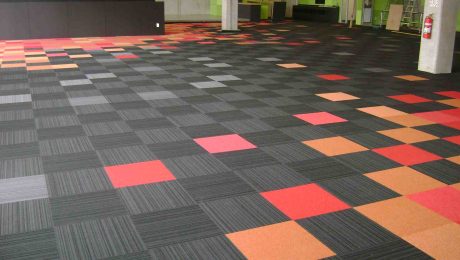
Common layouts include:
The correct method depends on the tile design and manufacturer instructions. A linear tile installed in a quarter-turn pattern can create a checkerboard effect, while the same tile laid monolithically may appear more continuous.
Before committing to the full installation, place several tiles loosely on the floor and view them from the main entrance and across the longest sightline. This helps identify unexpected pattern changes before adhesive is applied.
The backing provides stability and influences how the tile responds to foot traffic, furniture and changes in the indoor environment. Different products may use bitumen, PVC, cushion, recycled or other specialised backing systems.
The selected product should suit the room. A busy office corridor may have different requirements from a meeting room or residential study. Acoustic performance, comfort, rolling furniture and replacement needs should all be considered.
The subfloor must also be clean, dry, stable and level. Preparation may include removing old adhesive, repairing cracks, smoothing uneven sections and checking moisture conditions. Modular flooring still needs proper preparation; it simply makes future access and selective replacement easier.
Carpet tiles can do more than cover the floor. Different tones and patterns can help define walkways, collaborative areas, quiet zones or meeting spaces without physical partitions.
A darker field colour may be used in circulation paths, while a lighter or more textured tile identifies seating areas. Accent tiles can guide movement or reflect brand colours, provided the layout remains visually balanced.
Large patterns should be tested across several tiles because one sample may not show how the design repeats across a complete room. Customers can view carpet tile samples before choosing colours, textures and layout combinations.
When several colours are used, retain a marked layout plan. This makes later replacements easier and reduces the risk of installing a new tile in the wrong direction.
One of the main advantages of modular high-quality carpet tile flooring is the ability to replace selected sections rather than removing the entire floor. That benefit is reduced if no matching stock remains.
Keep a reasonable quantity of unused tiles after installation. Store them flat, dry and away from direct sunlight. Retain the product name, colour reference, batch details and laying direction with the spare stock.
Manufacturing batches can vary slightly in shade, and product ranges may eventually be discontinued. Original spare tiles offer the best chance of achieving a close match when a damaged or worn section needs replacement.
Commercial interiors do not wear evenly. Entrances, corridors, printer areas and shared kitchens usually collect more soil than meeting rooms or perimeter spaces.
Maintenance should reflect these differences. High-use zones may require more frequent vacuuming and periodic cleaning, while quieter areas can follow a less intensive schedule. Entrance matting can also reduce the amount of grit and moisture reaching the floor.
Spills should be addressed promptly using methods suitable for the carpet fibre and backing. When a tile cannot be restored, selective replacement can prevent one damaged area from affecting the appearance of the whole floor.
A successful carpet tile floor depends on product selection, layout, subfloor preparation, adhesive, installation direction and maintenance planning. Focusing only on colour or price can overlook details that determine how the floor will look after regular use.
Before ordering, confirm the intended layout, calculate perimeter cuts, review subfloor conditions and allow for replacement stock. These steps make the installation more consistent and simplify future maintenance.
To compare products, organise a site measure or discuss installation requirements, request carpet tile guidance from us.
A commercial floor is rarely judged only by how it looks on installation day. Its real performance becomes clear after months of foot traffic, cleaning, furniture movement, deliveries and daily operations. A surface that appears suitable in a sample may create unnecessary maintenance or replacement costs if it is not matched to the conditions of the building.
For offices, education facilities, healthcare settings, hospitality venues and shared public spaces, commercial linoleum flooring can provide a durable and adaptable surface. However, a successful result depends on more than selecting a colour. Traffic levels, cleaning requirements, subfloor preparation, product format and installation timing should all be considered before the flooring is specified.
The flooring brief should describe how the area will function rather than focusing only on its appearance. A quiet meeting room has different requirements from a school corridor, reception area, restaurant or healthcare facility.
Before reviewing products, consider:
Daily foot traffic
Furniture and equipment movement
Cleaning frequency
Exposure to moisture or spills
Acoustic requirements
Slip-resistance needs
Expected service life
Access available during installation
These details help determine whether the selected product is appropriate for the environment. They also reduce the risk of choosing a floor based on a design sample that does not reflect the demands of the finished space.
Linoleum is available in different formats, including sheets and tiles. The right format will depend on the layout, design brief and maintenance priorities.
Sheet linoleum can create a more continuous surface with fewer joins. This can be useful in large corridors, education spaces and facilities where straightforward cleaning is important. Installation requires accurate cutting, adhesive application and careful treatment of joins and edges.
Linoleum tiles offer greater flexibility for patterns, zoning and colour combinations. They can suit offices, retail interiors and spaces where the floor is intended to contribute to the overall design. The modular format may also make selected repairs more manageable, depending on the product and installation system.
Customers can view linoleum flooring samples to compare available tones, patterns and formats before finalising a product.
Initial price is only one part of a commercial flooring decision. Installation requirements, maintenance routines, expected durability and potential business disruption also affect long-term value.
A lower-cost surface may become expensive if it requires frequent repairs, specialist cleaning or early replacement. A well-specified linoleum floor can support a longer-term approach by balancing product quality, maintenance needs and anticipated use.
When comparing linoleum flooring for commercial interiors, review more than the price per square metre. Ask about the product’s suitability for the intended traffic level, recommended cleaning system, warranty conditions and installation requirements.
A realistic budget should account for:
Flooring material
Removal of the existing surface
Subfloor repairs or levelling
Moisture testing
Adhesives and installation materials
Trims and transition areas
Installation labour
Access or staging requirements
This gives a more accurate view of the completed project rather than treating the flooring material as the entire cost.
Linoleum follows the surface beneath it closely. Uneven areas, cracks, moisture issues or adhesive residue can affect both appearance and long-term performance.
Before installation, the subfloor may need to be:
Inspected for moisture
Cleaned and cleared of old adhesive
Repaired where damaged
Levelled where uneven
Allowed to dry fully
Prepared with the appropriate primer or smoothing compound
Skipping preparation can lead to visible imperfections, lifting, poor adhesion or premature wear. In commercial projects, these problems can be particularly disruptive because repairs may affect access, staff movement or normal business operations.
Professional assessment allows preparation requirements to be identified before the installation schedule begins.
Commercial flooring projects often need to be completed within limited access periods. Offices may require staged installation, while education or hospitality facilities may prefer work during closures or quieter operating periods.
The project plan should consider:
Furniture removal
Access for installers and materials
Drying or curing time
Temporary closures
Work completed in stages
Final cleaning and handover
Time before the floor can return to normal use
Clear scheduling helps reduce downtime and prevents the flooring from being exposed to traffic before the installation system is ready.
Use Colour and Pattern With a Purpose
Commercial linoleum is available in a broad range of colours and patterns. Design decisions can support more than visual appearance.
Different colours may be used to define walkways, separate activity zones or support wayfinding. Neutral tones can create a calm and professional background, while stronger colours may be used for feature areas or brand alignment.
Pattern and colour should also be considered in relation to maintenance. Mid-tone or lightly patterned surfaces may disguise minor dust and everyday marks more effectively than very light or uniform colours.
Samples should be viewed in the actual interior where possible. Artificial lighting, natural light, wall finishes and furniture can change how a colour appears once installed.
A commercial floor should have a maintenance routine that the facility can realistically follow. Product selection and cleaning planning should therefore happen together rather than being treated as separate decisions.
Before installation, confirm:
Approved cleaning products
Daily and periodic cleaning requirements
Whether protective finishes are needed
How spills should be managed
How furniture and equipment should be moved
Whether entrance matting is recommended
Incorrect chemicals or aggressive cleaning methods can affect the surface and may conflict with manufacturer guidance. Staff or cleaning contractors should receive the correct maintenance instructions when the project is handed over.
Commercial linoleum flooring can work well in interiors that require durability, design flexibility and manageable maintenance. It may be considered for offices, schools, universities, healthcare environments, hospitality venues, retail spaces and public facilities.
The best results come from treating flooring as a complete system. Product selection, subfloor preparation, adhesive choice, installation quality and maintenance planning all contribute to performance.
A properly prepared specification helps avoid choosing a product that looks appropriate but does not suit the way the building operates. It also gives suppliers and installers clearer information, making quotations and project planning more accurate.
To compare products, discuss installation requirements or organise a site measure, arrange a commercial flooring assessment with us.
Loose lay vinyl plank flooring has become increasingly popular due to its simple installation method and strong performance in residential and commercial settings. Unlike traditional glued-down vinyl or click-lock systems, it is designed with a heavy backing layer that allows planks to grip the subfloor without permanent adhesive. This makes installation faster and more flexible while still maintaining stability.
One of the key advantages of vinyl plank flooring is its versatility. It can often be installed over existing hard surfaces, provided the subfloor is level and clean. The thick, rigid structure reduces minor subfloor imperfections and provides underfoot comfort. For property owners seeking durability without complex installation, it offers a practical alternative to traditional vinyl or laminate systems.
Before selecting a product, it is important to compare available loose lay vinyl plank flooring options to ensure the chosen flooring meets durability, acoustic, and moisture resistance requirements.
The defining feature of loose lay vinyl plank flooring is its friction-based backing. This backing creates grip against the subfloor, allowing the planks to remain in place without full-surface adhesive in many applications.
Key characteristics include:
It is particularly suitable for renovation projects where the removal of existing flooring is not practical. Its installation method allows for quicker project completion compared to glue-down alternatives.
Durability depends on wear layer thickness and product quality. Premium vinyl plank flooring includes a commercial-grade wear layer designed to resist scratches, dents, and heavy foot traffic.
In residential applications, loose lay vinyl plank flooring performs well in living rooms, kitchens, and hallways. In light commercial settings, it can also handle moderate traffic when properly installed.
Moisture resistance is another key benefit. It is typically waterproof, making it suitable for areas where spills or humidity are concerns.
The cost of vinyl plank flooring varies depending on plank thickness, wear layer rating, and brand reputation. While material costs may be slightly higher than some click-lock vinyl options, installation savings can offset this due to reduced adhesive use and faster fitting time.
Additional cost factors include:
It is well-suited to spaces requiring durability, easy maintenance, and simplified installation. Its ability to be removed or replaced without major disruption makes it attractive for rental properties and commercial spaces.
However, proper subfloor preparation remains essential. Uneven or unstable surfaces can compromise performance. Consulting professionals ensures the chosen flooring aligns with site conditions and long-term expectations.
For property owners seeking high-quality flooring, Melbourne Flooring provides expert product guidance and professional installation tailored to residential and commercial environments. Our team ensures durable, stable flooring solutions designed for long-term performance. Contact us for a free quote.

If you’re searching for wool carpet Melbourne, you already know you’re not shopping for the cheapest option; you’re shopping for the right one. Wool is naturally warm, durable and classy.
Melbourne’s climate can’t make up its mind, which is exactly why wool carpet in Melbourne performs so well:
If you’re mixing flooring types, wool carpet also pairs nicely with timber, hybrid and vinyl in adjoining spaces, which is exactly how we often style our installations.
When you’re comparing samples, pay attention to more than just colour.
1. Pile type & texture
2. Fibre weight & density
Heavier, denser wool carpets usually feel more luxurious and cope better with traffic, making them a smart choice for hallways and living zones.
3. Colour & maintenance
If you want help matching colour to your interior style (and your tolerance for cleaning), Melbourne Flooring’s team can bring samples to you through their mobile showroom service.
Wool is also naturally resistant to static and helps regulate indoor humidity by absorbing and releasing moisture from the air. This can contribute to a more balanced indoor environment, particularly during seasonal changes. Unlike many synthetic fibres, wool has a natural crimp that allows it to retain its shape, which is one of the reasons it maintains its appearance over time.
Another factor many homeowners overlook is indoor air quality. Wool fibres can help trap dust and airborne particles until they are vacuumed away, rather than allowing them to circulate freely. With regular maintenance, this makes wool a practical option for households that value both comfort and cleanliness.
Finally, underlay choice plays a significant role in how your wool carpet feels and performs. A high-quality underlay enhances softness, improves insulation and supports the carpet structure, helping it withstand daily use. Pairing premium wool with the right underlay ensures you get the comfort and longevity you’re paying for.
Plenty of places sell carpet. The difference here is:

Across Melbourne’s ever-evolving design landscape, homeowners are rediscovering the timeless comfort and sophistication of wool carpet. While synthetic materials continue to grow in popularity, natural fibres like wool maintain their position as the benchmark for quality, performance, and sustainability.
This article explores why wool remains a premium flooring choice, how it compares to other carpet types, and what Melbourne homeowners should know before investing in this natural material.
Wool is a renewable fibre with a reputation built over centuries. Each strand contains microscopic scales that help trap air, creating a natural thermal barrier that keeps rooms warmer in winter and cooler in summer. That thermal insulation makes it ideal for Melbourne’s variable climate, where energy efficiency and comfort often go hand in hand.
Another major benefit is wool’s resilience. Its fibres have natural elasticity, which helps the carpet recover from furniture marks and heavy foot traffic. Unlike many synthetics, wool doesn’t flatten easily, which means its soft, plush feel lasts longer.
If you’d like to explore wool blends and textures suited to Melbourne’s architecture and climate, you can visit our wool carpet range in Melbourne to see available options and inspiration.
Modern indoor environments can accumulate dust, allergens, and airborne particles. Wool fibres act as a natural filter by absorbing and trapping these particles until the next vacuum, helping maintain cleaner air quality indoors. This makes wool carpets especially attractive for families, children, and allergy-sensitive households.
Wool also contains lanolin, a natural coating that repels liquid spills and resists staining. With proper care and regular cleaning, it can maintain a fresh, vibrant look for years without chemical treatments.
Sustainability is at the core of wool’s appeal. It’s a renewable and biodegradable resource, sourced from sheep that regrow fleece every year. Many Melbourne homeowners now prioritise natural materials to reduce environmental impact and chemical exposure.
Advancements in carpet manufacturing have made modern wool carpets even more sustainable. Many mills now use water-efficient dyeing processes and recyclable backing materials, ensuring lower waste and energy consumption.
When researching eco-friendly flooring options, it’s worth comparing wool’s life cycle with other fibres such as polyester and nylon. Wool’s long lifespan and low replacement rate often make it the greener long-term investment.
Before purchasing, consider three important factors:
A consultation with local flooring professionals can help you select the right fibre blend, pile height, and underlay for your lifestyle and traffic patterns. If you’re planning a renovation or new build, you can learn more about materials and design ideas on the homepage, which features a range of flooring insights.
Although wool carpet may require a higher initial investment than synthetic options, it delivers better value over time. Its ability to self-regulate temperature, resist stains, and retain structure means lower maintenance costs and fewer replacements.
To maximise lifespan, vacuum regularly with a rotating brush, clean spills immediately, and consider a professional deep clean once a year. With minimal effort, your flooring can maintain its softness and natural sheen for decades.
For Melbourne homeowners seeking elegance, warmth, and sustainability, wool carpet remains an unmatched choice. It embodies a perfect blend of natural comfort and environmental responsibility while enhancing the aesthetic of modern and traditional interiors alike.
For guidance on installation, maintenance, or fibre care, please reach out to our flooring expert who can offer personalised recommendations.

In Melbourne’s dynamic housing market, the demand for stylish, durable, and sustainable flooring has never been higher. Among the many choices available, carpet flooring continues to hold a special place, offering warmth, comfort, and design flexibility that perfectly suits the city’s diverse lifestyle.
Despite the rise of hybrid and timber options, carpet remains one of the most popular choices for Melbourne homes and offices. Its natural insulation properties help maintain indoor temperature, reduce noise, and create an inviting atmosphere. The right carpet can completely transform a space — turning a cold room into a comfortable retreat.
That’s why experienced carpet flooring companies in Melbourne play such a vital role. They understand how to balance design, practicality, and performance — ensuring every installation enhances both aesthetics and comfort.
Unlike general flooring providers, Melbourne-based carpet specialists bring local expertise. They know how to work with Melbourne’s variable climate, from humid summers to cool winters, and can recommend materials that perform well all year round.
When choosing among reputable carpet flooring companies, consider those who offer:
Partnering with a trusted Melbourne flooring company ensures your project gets the care, precision, and longevity it deserves.
Many leading carpet flooring companies are now investing in sustainability — offering recycled fibres, non-toxic adhesives, and recyclable underlays. This not only supports the environment but also contributes to healthier living spaces.
Melbourne homeowners increasingly prefer carpets that are ethically sourced and designed to last — a trend flooring professionals are embracing with innovative product lines and cleaner production methods.
As interior trends evolve, carpets are being reimagined — with texture-rich patterns, natural tones, and advanced stain-resistant technologies. Local experts continue to combine craftsmanship with technology, helping homeowners achieve timeless interiors with modern functionality.
For inspiration, advice, or premium carpet installation, explore the latest collections at Melbourne Flooring — one of the city’s most trusted destinations for quality flooring solutions that bring comfort and character to every space. Contact us for a free quote.

When it comes to timeless style and everyday comfort, wool carpet remains a favourite choice among Melbourne homeowners.
Wool’s natural fibres not only look beautiful but also perform exceptionally well under Melbourne’s changing climate — keeping your home warm in winter and cool in summer.
Wool is one of the most durable and luxurious carpet materials available.
Unlike synthetic options, wool carpet is naturally soft, resilient, and eco-friendly. It bounces back from compression, resists dirt and stains, and ages gracefully over time — making it a smart long-term investment for style and comfort.
With proper care, a high-quality wool carpet in Melbourne can last for decades — outlasting many synthetic alternatives.
Melbourne’s mix of cool winters and warm summers makes wool carpet an ideal flooring choice. Wool fibres act as natural insulators, retaining warmth during chilly months and releasing it when temperatures rise.
This means your home stays comfortable all year long — and even your energy bills can benefit.
Whether you live in a classic Victorian home or a modern apartment, wool carpet Melbourne offers the perfect balance of luxury and practicality. Its natural texture and muted tones pair beautifully with timber floors, stone, or hybrid surfaces in adjoining rooms.
At Melbourne Flooring, we stock an extensive range of wool carpets from leading Australian and international manufacturers.
Our collection includes:
Each style is available in a variety of natural hues — from creamy neutrals and greys to deep charcoal and coastal tones — all designed to complement Melbourne’s modern interiors.
While synthetic carpets are often cheaper upfront, wool carpet delivers better performance and long-term value.
It naturally regulates humidity, resists odours, and doesn’t trap dust or allergens — making it an excellent choice for families and allergy-sensitive homeowners.
Unlike synthetic fibres, wool is also naturally flame-resistant and maintains its look for years without flattening.
If you want your flooring to feel luxurious and look refined for the long haul, wool carpet Melbourne is the way to go.
At Melbourne Flooring, we combine craftsmanship, expertise, and exceptional value.
When you shop with us, you’ll get:
We pride ourselves on delivering flooring that not only looks stunning but also performs beautifully for years to come.
At Melbourne Flooring, we offer a premium range of wool carpets in Melbourne that bring warmth, softness, and sophistication to every space — from elegant living rooms to cosy bedrooms and high-end commercial interiors.
Whether you’re refreshing a single room or redesigning your entire home, our expert team can help you find the perfect match. Contact us today for your free measure and quote.

Looking to buy carpet tiles for your property in Melbourne that combine style, comfort, and durability?
Carpet tiles are fast becoming the go-to flooring solution across Melbourne because they deliver the perfect mix of modern design flexibility, easy maintenance, and long-term value.
Unlike wall-to-wall carpet rolls, carpet tiles come in square or rectangular modules that can be easily installed, replaced, or mixed for custom patterns. This makes them ideal for high-traffic environments, rental properties, and busy workplaces where practicality and aesthetics must go hand in hand.
Whether you’re upgrading your office or sprucing up your home, carpet tiles for sale in Melbourne give you flexibility and long-lasting beauty at a great price.
For offices, schools, and retail stores, carpet tiles are a smart flooring choice. They provide a soft, professional look while also offering excellent sound absorption — perfect for creating quieter, more comfortable spaces.
Our commercial carpet tiles are made from premium materials that resist wear, stains, and fading, ensuring your flooring stays attractive even under heavy use. Melbourne Flooring also offers eco-friendly carpet tiles made from recycled fibres, aligning style with sustainability.
💡 Tip: Combine dark and light carpet tile patterns to define zones, walkways, or collaborative spaces in open-plan offices.
Carpet tiles aren’t just for commercial settings — they’re also a great option for Melbourne homes. Use them to create custom rugs, accent zones in living rooms, or cover entire bedrooms and basements for warmth and comfort.
Our residential collection includes soft-touch, cushioned-back options ideal for family homes and apartments. Plus, they’re pet-friendly and easy to replace — perfect for busy households that want a stylish, low-maintenance floor.
Looking for inspiration? Visit our carpet tile flooring range to explore design ideas and texture options.
At Melbourne Flooring, we offer a wide range of commercial and residential carpet tiles designed to suit every space — from office fitouts and retail showrooms to home renovations and apartments.Here’s why customers choose us for carpet tiles in Melbourne:
At Melbourne Flooring, we offer a wide range of commercial and residential carpet tiles designed to suit every space — from office fitouts and retail showrooms to home renovations and apartments.
Whether you need durable flooring for your office or a modern, low-cost solution for your home, Contact Melbourne Flooring.

Looking for a modern, durable, and low-maintenance flooring option? Premium Hybrid Vinyl flooring is the perfect blend of innovation and design.
It combines the best features of hybrid and vinyl floors to deliver a seamless, waterproof surface that’s tough enough for everyday life yet stylish enough to elevate any interior.
At Melbourne Flooring, we supply and install high-quality hybrid sheet vinyl flooring built for Australian conditions. Whether you’re renovating your home or upgrading a commercial space, our flooring delivers a beautiful, long-lasting finish that’s easy to clean and comfortable underfoot.
Hybrid vinyl flooring represents the latest generation of flooring technology — offering exceptional durability, total waterproof protection, and long-term comfort.
Unlike laminate or traditional vinyl planks, it features a continuous, joint-free surface that resists water, stains, and wear, making it ideal for Melbourne’s dynamic environments.
Key Benefits
Compared to other hybrid vinyl flooring options, hybrid sheet vinyl offers a sleek, seamless appearance that’s both practical and visually impressive — ideal for those who want style without compromise.
Our experienced team specialises in hybrid vinyl flooring installation in Melbourne and guarantees precision at every stage.
From surface preparation to the final finish, we ensure each floor is installed to perfection, delivering professional results that last for years.
We use premium materials from trusted brands and proven installation techniques to achieve floors that not only look exceptional but also withstand daily wear and moisture with ease.
Perfect for Every Space
One of the best things about hybrid vinyl flooring is its versatility. It suits nearly any environment, including:
Its waterproof and seamless structure makes it a top choice for both contemporary homes and busy commercial spaces across Melbourne.
Not sure whether to choose hybrid vinyl flooring or hybrid sheet vinyl?
Here’s a quick comparison to help you decide:
| Feature | Hybrid Vinyl Flooring | Hybrid Sheet Vinyl |
| Structure | Click-lock planks | Continuous sheet roll |
| Waterproof | Yes | Yes |
| Appearance | Timber or stone look | Smooth and seamless |
| Installation | Easier for DIY | Best for professional fitting |
| Best For | Smaller or segmented spaces | Large areas and wet zones |
Both offer excellent value and performance — the right choice depends on your layout, design goals, and installation preferences.
At Melbourne Flooring, we go beyond installation — we create flooring solutions that combine beauty, comfort, and reliability, helping you design spaces that feel as good as they look.
Ready to upgrade your space with hybrid vinyl flooring in Melbourne?
Contact our friendly team for a free measure and quote today.
📞 Contact Melbourne Flooring or request a consultation online to explore our range of hybrid vinyl and sheet vinyl flooring solutions designed for modern Australian homes and businesses.
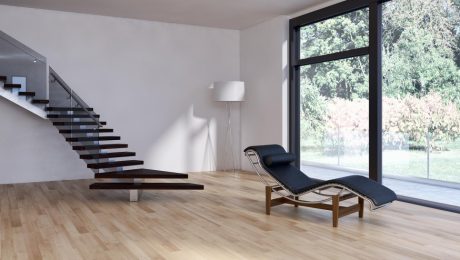
Even the highest-quality flooring can fail without proper installation. That’s why professional flooring installation in Melbourne is key to achieving a flawless, long-lasting result.
Why Expert Installation Matters
DIY installation might save money upfront, but professional installers ensure:
Our Melbourne Flooring installation team specialises in all types of floors — from hybrid to vinyl and timber.
Installation Process Overview
Our process guarantees precision, speed, and long-term satisfaction.

Let's socialize
Copyright © 2018 Melbourne Flooring . All rights reserved. Designed by Momawebmasters
Monday - Friday 9AM - 5PM
Saturday 10AM - 3PM
Sunday by appointment only
Bayswater Branch
Address: 20 Scoresby Road, Bayswater VIC 3153
Phone: 03 9070 8292
Oakleigh Branch
Address: 200 Warrigal Rd, Oakleigh VIC 3166
Phone: 03 4060 1415