


A good floor should not need constant attention to stay presentable. It should handle daily movement, furniture, shoes, cleaning and the occasional accident without turning into a dramatic renovation problem. That is where laminate floor products continue to earn attention, especially for spaces that need a timber-look finish without the higher cost or maintenance demands of natural hardwood.
For anyone comparing flooring options, laminate floor solutions can offer a useful balance of affordability, appearance and durability. They are designed to recreate the look of timber, stone or other natural materials while using layered construction for strength and everyday performance. The result is a floor that can suit bedrooms, living areas, hallways, offices, rental properties and selected commercial interiors when chosen properly.
With so many flooring products available, it is easy to assume newer automatically means better. Humans do love replacing common sense with product hype. Laminate flooring remains popular because it fills a clear gap: it gives a realistic decorative surface, strong wear resistance and a more budget-friendly price point than many timber-based alternatives.
Modern laminate products are far more refined than older versions. Better surface textures, improved board designs and more realistic finishes mean laminate can create a convincing timber-look interior without needing real timber boards. For projects where cost, durability and quick installation matter, laminate can be a very practical choice.
Laminate flooring is made from multiple layers. The top surface protects against everyday wear, while the decorative layer creates the timber, stone or tile-look design. Beneath that, the core provides structure and stability. This layered design helps laminate flooring handle normal household or business use while keeping the product relatively cost-effective.
The quality of the product matters. A cheap laminate board and a well-made laminate board may look similar from a distance, but they can perform very differently over time. Wear rating, board thickness, locking system, surface texture and moisture resistance should all be considered before choosing a product.
When comparing quality laminate flooring options, it is worth checking whether the product suits the room’s traffic level, cleaning routine and expected use. A quiet bedroom and a busy hallway do not place the same demands on a floor, although apparently both are expected to behave perfectly forever.
Laminate flooring can work well in many dry internal spaces. It is often used in bedrooms, living rooms, dining areas, hallways, study areas, offices and rental properties. Its timber-look appearance can help create warmth, while its surface durability makes it useful in areas with regular foot traffic.
However, laminate is not always the best choice for wet areas. Bathrooms, laundries and spaces with frequent moisture exposure usually need flooring with stronger water-resistant performance. Some laminate products offer improved moisture resistance, but that does not mean they should be treated like waterproof flooring. Spills should still be cleaned quickly, and product guidelines should always be checked before installation.
Laminate flooring comes in a wide range of colours, textures and board styles. Light oak tones can make a space feel open and relaxed. Medium timber shades can create a natural and versatile look. Darker finishes can add contrast and depth, but they may also show dust and marks more easily.
Board width also changes the appearance of a room. Wider boards can make a space feel more contemporary, while narrower boards can create a more traditional look. Surface texture is another detail worth checking. Some laminate products have a smoother finish, while others include embossed grain patterns for a more natural feel.
Samples should be viewed in the actual space before a final decision is made. Lighting, wall colour, furniture and cabinetry can all change how a floor looks. Trusting one tiny sample under showroom lighting is brave in the same way as ignoring a check engine light is brave.
Laminate flooring is often installed as a floating floor using a click-lock system. This can make installation faster than some traditional flooring methods, but preparation still matters. The subfloor needs to be clean, dry, level and suitable for the selected product.
Underlay is also important. It can affect comfort, sound reduction and the way the floor feels underfoot. Poor subfloor preparation can lead to movement, noise, gaps or uneven results, even when the product itself is good. A professional installation helps reduce these risks and gives the floor a cleaner finish.
Laminate flooring is generally easy to maintain. Regular sweeping or vacuuming helps remove dust and grit, while a lightly damp mop can manage everyday marks. Excessive water, harsh chemicals and steam mops should usually be avoided unless the manufacturer clearly allows them.
Furniture pads, entry mats and quick spill clean-up can help protect the surface. These simple steps can extend the life of the floor and keep it looking better for longer. It is not complicated, which is probably why people still find ways to ignore it.
Laminate flooring can be a strong option when the goal is to create an attractive, durable and cost-conscious surface for dry internal areas. It offers a timber-look finish without the same price or care requirements as natural timber, making it suitable for many everyday spaces.
The best result comes from choosing the right product for the room, checking the technical details, preparing the subfloor correctly and using a suitable installation method. A good laminate floor should look natural, feel stable and support daily use without demanding constant maintenance.
For help comparing colours, samples and installation options, arrange flooring support with our team and choose a laminate product that suits the space properly.
There’s a reason laminate floor options keep showing up in both residential and commercial projects. They sit right in that sweet spot between affordability, durability, and decent aesthetics without demanding constant attention like high-maintenance materials.
If you’re trying to upgrade a space without draining your budget or patience, laminate flooring tends to make a very convincing argument.
Laminate has come a long way from the cheap-looking surfaces people used to side-eye. Modern laminate floor designs replicate timber, stone, and other natural materials surprisingly well, often at a fraction of the cost.
What makes it appealing isn’t just looks. It’s the combination of:
For busy homes or high-use commercial areas, that balance matters more than people admit.
Not every flooring type fits every environment, and laminate is no exception. It performs best in areas where moisture is controlled and traffic is moderate to high.
Common applications include:
One of the biggest selling points of laminate floor materials is their ability to handle daily wear. The protective top layer resists scratches, dents, and fading, which makes it ideal for spaces with furniture movement or regular foot traffic.
Unlike natural timber, laminate doesn’t demand refinishing or special treatments. It just sits there, doing its job, quietly outperforming expectations.
It is no longer limited to generic wood patterns. You can now find a wide range of colours, textures, and finishes that match different interior styles.
Whether you’re aiming for a minimalist look or something warmer and more traditional, there’s likely a laminate floor style that fits. Many businesses are now choosing laminate as a cost-effective way to maintain a polished and professional appearance.
It is known for its click-lock installation system, which allows for quicker setup compared to many other flooring types.
That means:
Of course, “easy installation” doesn’t mean “ignore professionals.” Getting it installed properly still matters if you don’t want gaps, uneven surfaces, or future headaches.
Laminate floor solutions are ideal if you want a balance between cost, durability, and design. It’s not the best choice for wet areas like bathrooms, but for most other spaces, it delivers strong value.
If you’re planning a flooring upgrade and want tailored advice, you can always contact us to get guidance based on your specific needs.
A laminate floor is one of the most widely chosen flooring solutions for residential properties due to its durability and timber-look appearance. Designed with a multi-layer construction, a laminate floor typically consists of a protective wear layer, decorative printed layer, high-density fibreboard (HDF) core, and stabilising backing. This layered design enhances resistance to scratches and daily wear while maintaining a realistic timber aesthetic.
Modern manufacturing techniques allow laminate surfaces to replicate natural wood grain textures with impressive detail. As a result, a laminate floor can achieve the look of timber without the higher price point or maintenance requirements associated with solid wood.
Before making a decision, it is important to compare available laminate flooring options to determine whether a laminate floor aligns with your lifestyle, budget, and performance expectations.
A laminate floor differs from timber or vinyl products due to its rigid HDF core and photographic decorative layer. The protective top layer shields against scratches, stains, and fading, making it suitable for moderate-traffic residential areas.
Key features include:
Unlike solid timber, a laminate does not require sanding or refinishing. However, it cannot be refinished once the wear layer is damaged, which is an important consideration for long-term planning.
Durability depends largely on the AC rating of the flooring. Higher AC ratings indicate better resistance to wear and impact. For residential settings, selecting an appropriate rating ensures the flooring performs well in living areas, bedrooms, and hallways.
While a laminate floor offers good scratch resistance, it is generally less moisture-resistant than hybrid or vinyl alternatives. Spills should be cleaned promptly to prevent swelling of the core material.
Underlay selection also influences performance. Proper underlay improves acoustic comfort and enhances stability, particularly in apartment installations.
A laminate floor is well-suited to homeowners seeking a stylish yet cost-effective flooring solution. It performs best in dry interior areas and moderate-traffic spaces. For moisture-prone environments, alternative products may be more suitable.
When evaluating a laminate, consider wear rating, thickness, warranty coverage, and subfloor compatibility. Professional guidance ensures the selected product matches your property’s specific requirements.
For homeowners seeking high-quality laminate options, Melbourne Flooring provides expert product advice and professional installation tailored to residential and commercial spaces. Our team ensures durable, visually appealing flooring solutions designed for long-term performance. Contact us for a free quote.
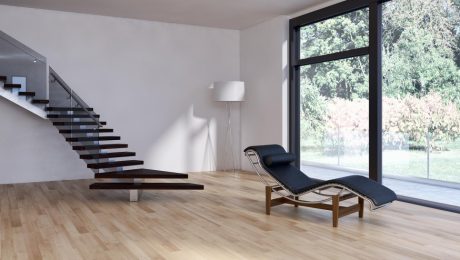
Even the highest-quality flooring can fail without proper installation. That’s why professional flooring installation in Melbourne is key to achieving a flawless, long-lasting result.
Why Expert Installation Matters
DIY installation might save money upfront, but professional installers ensure:
Our Melbourne Flooring installation team specialises in all types of floors — from hybrid to vinyl and timber.
Installation Process Overview
Our process guarantees precision, speed, and long-term satisfaction.

Even with new options like hybrid flooring on the rise, laminate flooring in Melbourne continues to be one of the most practical and affordable flooring solutions for Australian homes.
Why Homeowners Still Love Laminate Flooring
Laminate flooring offers a hard-wearing surface that mimics real wood grain with photo-realistic layers. It’s resistant to scratches, fading, and dents — perfect for families and rental properties.
Key benefits include:
Moreover, many Melbourne homeowners still trust laminate flooring for its proven durability and affordability. While newer options like hybrid and vinyl have grown in popularity, laminate continues to deliver excellent scratch and stain resistance, especially in high-traffic zones like hallways and living rooms. And with modern advances in AC ratings and core construction, laminate flooring in Melbourne offers performance that rivals more expensive products — making it an excellent choice for value-focused renovations.
Beyond cost and durability, laminate floors offer tremendous aesthetic flexibility. With digital printing technology and beveling techniques, you can achieve almost any timber look — from grey driftwood to rich oak — with convincing realism. Plus, replacement of damaged planks is often quick and convenient should wear occur. For those seeking a balance of style, strength, and budget, laminate flooring Melbourne remains an attractive contender in 2025.
Best Areas for Laminate Flooring
Laminate works beautifully in:
For wet zones, consider waterproof hybrid flooring as an alternative.
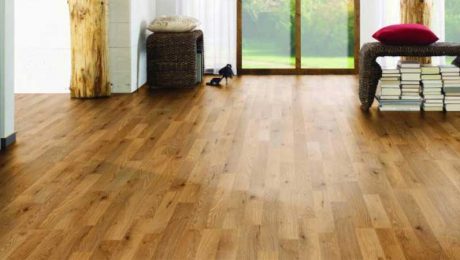
Installing laminate flooring is a quite easy task, and after you’ve done it once you will wonder why people pay professional installers to do this.
Unlike porcelain or ceramic tile, plastic laminate flooring is a “dry” installation—there is no need for grout, mortar, or adhesives to set up and dry. There is also no need for any special tools or saws for cutting—ordinary saws work just fine. Unlike solid hardwood flooring that needs to be nailed down, laminate snaps together—it is a “floating” floor that isn’t even attached to the subfloor or underlayment.
To install laminate flooring properly, your base floor should be flat and clean. It can usually be installed successfully right over old floor coverings, such as sheet vinyl if the surface is flat and smooth. A thin sheet of foam is usually sufficient as a base for laminate planks.
Before beginning installation, remove all baseboards and trim around the perimeter of the room, as well as any heating resisters or air return duct covers mounted in the floor.
There are some tools and materials you need to buy if you want to DIY it yourself:
For a small- to medium-sized room, the best strategy is to simply open up a couple of boxes of flooring and make a preliminary layout on a clean floor prior to rolling out the underlayment.
There is no need to lay out the entire floor. Instead, layout planks side by side across the room and snap the planks together. This helps you see how many rows it will take to cover the room.
Next, do a length of planks end-to-end. But at this stage, avoid snapping planks together both at the ends and sides. This will create a lock that is difficult to undo and may damage the interlocking tongue and groove system.
There is no need to worry too much about your technique for cutting or ripping laminate planks. The planks are very thin, with a core of fiberboard that cuts very easily. Baseboards and molding will hide the cut edges, so perfect cuts aren’t essential. Table saws always produce the best cuts, but you can also use a circular saw, a jigsaw, or even a hand saw.
Use a long straightedge to mark the long cutting lines for rip cuts running the length of flooring planks, or a T-square to mark cross-cuts.
It is always recommended putting down underlayment before laying the laminate. It helps to absorb sound, provides a thermal barrier, makes it easier to walk on the laminate, and helps the flooring bridge minor gaps and bumps in the underlying floor.
Roll out sheets of underlayment and butt the edges tightly together without overlapping them. Secure the seams with tape, as recommended by the manufacturer. Some underlayments come with peel-and-stick adhesive edges that are used to join the pieces.
Start by cutting off the tongues from the boards that will edge the first wall, using a table saw or circular saw. Begin laying this first row on the longest wall, with the trimmed edges of the planks against the wall.
Start on the right side and work leftward. Lay down a full-size plank against the wall, spacing it about 1/4 inch away from the wall. Placing spacers between the flooring and the wall can help maintain this gap. This expansion gap is critical for a floating laminate floor since it will expand and contract due to changes in weather. Proceed with additional full-length planks, working toward the left to the end of the room. Use a rubber mallet to join the ends of the planks together, making sure the seams are tight. Done correctly, the end joints should be tight, with no gaps.
Once you reach the left end of the first row, the last plank will likely be too long. Measure the length needed and transfer that measurement to a full-size plank, measuring from the right to left side, so that the tongue-side of the plank is preserved to attach to the last full plank. There should be a 1/4-inch expansion gap at the side wall, as well, so this last plank is cut just slightly short.
We at Melbourne Flooring provide some of the lowest prices and quality services in the supply and installation of floors

Let's socialize
Copyright © 2018 Melbourne Flooring . All rights reserved. Designed by Momawebmasters
Monday - Friday 9AM - 5PM
Saturday 10AM - 3PM
Sunday by appointment only
Bayswater Branch
Address: 20 Scoresby Road, Bayswater VIC 3153
Phone: 03 9070 8292
Oakleigh Branch
Address: 200 Warrigal Rd, Oakleigh VIC 3166
Phone: 03 4060 1415