





A quotation that says “carpet tiles — 220 square metres” is not a complete commercial flooring proposal. It is a price with most of the important decisions still hidden behind it.
When sourcing commercial carpet tile flooring for Melbourne offices and workplaces, compare the scope before comparing the total. One contractor may include removal, subfloor preparation, trims and staged installation, while another may price only the tiles and basic labour. One contractor may include removal, subfloor preparation, trims and staged installation, while another may price only the tiles and basic labour. The lower number can stop looking competitive once the missing items appear as variations.
A useful quotation should explain exactly what is being supplied, what work will be completed and what remains the customer’s responsibility.
1. The Product Should Be Identified, Not Described Vaguely
“Commercial grey carpet tile” is not enough information to approve an order.
The quotation should identify the manufacturer, collection, colour, tile size, fibre, backing system and intended use. It should also state whether the selected product is currently available and whether the quoted price depends on a particular quantity or stock line.
This matters because visually similar tiles can have different constructions, warranty conditions and performance characteristics. It also prevents a substituted product from being treated as equivalent without a proper comparison.
When reviewing commercial carpet tile options, ask for a physical sample and written product reference. Keep both with the approved quotation so the delivered material can be checked against the original selection.
2. Separate the Measured Area From the Order Quantity
The usable floor area and the quantity of carpet tiles ordered are not always the same.
Columns, angled walls, floor boxes, doorways and perimeter cuts can affect material requirements. A project may also need additional stock for installation and future replacement. The quotation should therefore show:
- The measured floor area
- The quantity of carpet tiles being ordered
- Any allowance for cuts or installation waste
- The quantity retained as spare stock
This makes the material calculation easier to understand. It also helps distinguish between genuine project requirements and an unexplained increase in square metres.
3. Existing Flooring Removal Needs Its Own Line
Before new carpet tiles can be installed, the current surface may need to be lifted and removed. That work can involve more than rolling up old carpet.
Ask whether the quotation includes:
- Removal of existing carpet, carpet tiles or resilient flooring
- Uplift of underlay
- Removal of old adhesive or tackifier residue
- Disposal fees
- Loading and transport of waste
- Work around fixed furniture or partitions
The condition beneath the existing floor may not be visible during an initial discussion. The quotation should explain what removal work is included and how unexpected conditions will be managed once the area is exposed.
4. Subfloor Preparation Should Never Be a Blank Space
Carpet tiles need a clean, dry, stable and suitably level base. If the subfloor has cracks, uneven sections, loose material or heavy adhesive residue, preparation may be required before installation.
There are two common problems with vague quotations. The first is assuming no preparation will be needed. The second is including a broad “floor preparation” allowance without explaining what it covers.
A clearer quotation should state:
- Whether the subfloor has been inspected
- Which preparation tasks are included
- Whether levelling compound is allowed for
- Whether moisture testing is required
- Which conditions would create a variation
- How additional work will be approved
Preparation does not need to be extensive to affect the programme. Even a small area requiring repair can delay installation if it is only discovered after furniture has been moved and the old floor removed.
5. Installation Details Belong in the Scope
The quotation should describe how the tiles will be fitted, not simply say “installation included”.
Depending on the product and project, the scope may need to cover:
- Approved adhesive or tackifier
- Tile direction and layout
- Perimeter cutting
- Doorway and threshold details
- Transition trims to vinyl, timber or other flooring
- Work around floor boxes and service points
- Stair or landing details
- Skirting or wall-edge requirements
These details affect both labour and appearance. They are particularly important where carpet tiles meet another floor finish or where the design uses more than one colour or pattern.
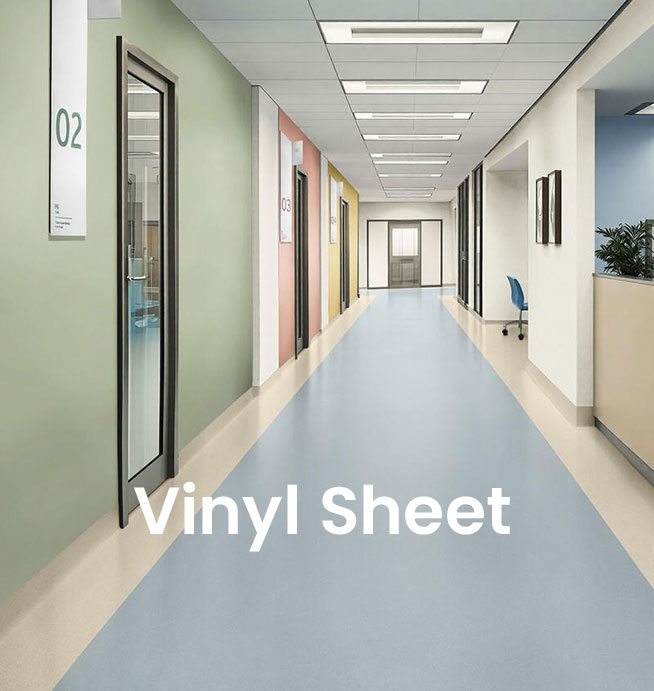
Some fit-outs combine carpet tiles in work areas with vinyl in entries, kitchens or service zones. In that situation, commercial flooring solutions for office fit-outs and business spaces should be coordinated so floor heights, transitions and installation stages work together.
6. Access and Business Hours Can Change the Price
An empty office with unrestricted access is a different project from an occupied workplace that must remain operational.
The quotation should confirm whether the price assumes:
- Standard weekday access
- Evening or weekend work
- Site inductions or permits
- Restricted loading access
- Lift bookings
- Security supervision
- Staged installation
- Temporary walkways
- Multiple visits
Furniture is another frequent source of confusion. State clearly who will move desks, chairs, shelving, filing units and equipment.
Where installers are expected to move furniture in stages, that labour should appear in the quotation rather than arriving as an additional cost on site.
7. Spare Tiles Should Be Planned Before the Range Disappears
Modular flooring is useful because selected tiles can be replaced without removing the entire floor. That advantage depends on having a matching product available later.
Agree on a sensible spare-stock quantity during ordering. The amount should reflect the project size, number of colours, installation pattern and likelihood of localised damage.
The handover should record:
- Product and colour name
- Batch or dye-lot information where available
- Spare-tile quantity
- Storage location
- Laying direction
- Relevant maintenance instructions
Spare tiles should be stored flat, dry and clearly labelled. A pile of unidentified leftovers in a storeroom is not a replacement plan.
8. Warranties Need Conditions, Not Just Headings
A quotation may mention a product warranty or installation warranty without explaining what it covers.
Ask for the warranty documents and check whether they depend on:
- Correct installation
- Approved adhesive
- Suitable subfloor conditions
- Chair protection
- Routine maintenance
- Traffic classification
- Approved cleaning methods
- Retention of purchase records
The quotation should also identify who handles a product concern and who handles an installation concern. Clear responsibility makes future communication easier for business owners, property managers and facilities teams.
A Quick Like-for-Like Quote Check
Before approving a commercial carpet-tile quotation, confirm that each proposal covers the same items:
| Item | What should be clear |
|---|---|
| Product | Brand, range, colour, fibre, backing and tile size |
| Quantities | Measured area, order quantity, waste and spare stock |
| Removal | Existing-floor uplift, adhesive removal and disposal |
| Preparation | Inspection, repairs, levelling and possible variations |
| Installation | Adhesive, layout, cutting, trims and transitions |
| Site access | Hours, inductions, lift bookings and staged work |
| Furniture | Who moves it, how often and at what cost |
| Handover | Warranties, maintenance guide and spare-tile records |
When one quotation is cheaper, this checklist helps reveal whether the contractor is genuinely more competitive or has simply left more work outside the quoted price.
View the Product Before Approving the Scope
A technical description cannot show exactly how a colour or pattern will behave in the intended space. Office lighting, wall finishes, furniture and adjoining floors can all affect the result.
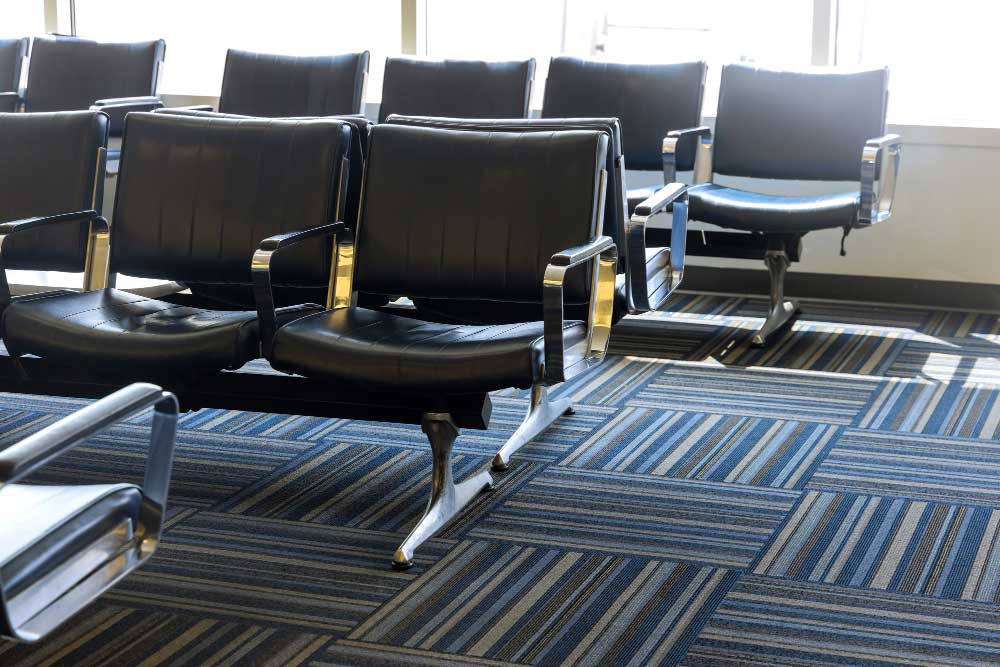
Before approving the product, compare commercial carpet tile colours, patterns and samples in the intended space and place several tiles together. A single square may not show the pattern repeat, directional effect or contrast visible across a larger area. A single square may not show the pattern repeat, directional effect or contrast visible across a larger area.
The sample should then be referenced in the quotation by manufacturer, range and colour. That small administrative step prevents uncertainty between selection, ordering and delivery.
The Best Quote Is the One With Fewer Unknowns
A commercial carpet-tile proposal should make the project easier to understand before anyone arrives on site. Product details, material quantities, removal, preparation, access, furniture, installation and handover all belong in the discussion.
The final price matters, but a complete scope matters first. Comparing like for like reduces budget surprises and gives the installer a clearer basis for planning the work.
To review products, measure the site and prepare a detailed installation scope, book a free on-site assessment with us.


