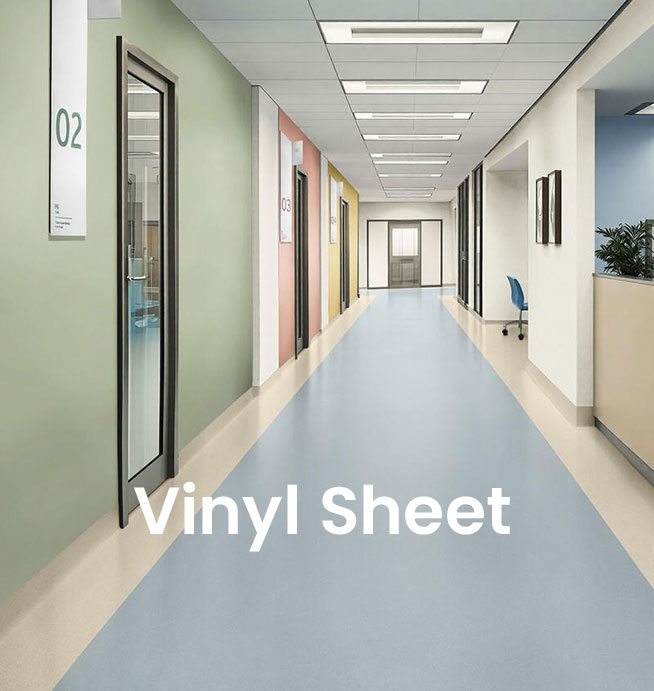



If you are looking for new flooring, you will find that most showrooms give you a choice between residential and commercial flooring. While most homeowners can tell the difference between materials and styles, the difference between residential and commercial flooring may not be as obvious.
If you are renovating a home or working on new construction, it is essential to know the difference between residential and commercial flooring before making a decision. By knowing the key differences between the two types of flooring, you can be sure that you are getting the flooring that is best suited for your needs.
When considering the different types of flooring, you should first consider the function of the room. The way the room is used will largely determine the type of flooring you need. There is no question that floors in commercial spaces need to be hard-wearing, as they are busier and subject to harsher conditions than the average home.
When choosing flooring for commercial spaces, consider the following factors that are typical for this application:
Residential flooring is designed for the home, meaning it needs to be warm, inviting, and reflect your personal taste as a homeowner. Usually, homeowners are looking for new flooring when they want to update the look of their home. New flooring is a convenient and affordable way to update the style of your home and increase its resale value.
When looking for the right flooring for your home, consider the following factors to find the right floor for your needs:
Because commercial and residential flooring have very different applications, the two types of flooring also differ in their construction. Although you can get the same flooring for both uses, such as carpet or laminate, the durability of the two types differs and the installation methods are also tailored to each application.
Here are some differences between flooring for commercial and residential use:
Features: Compared to commercial flooring, residential flooring typically does not have as many requirements. Commercial floors have characteristics for industrial environments. You will find that commercial floors come with features such as waterproof, heat resistant, moisture repellent, soundproof, slip-resistant, corrosion-resistant and more. Residential flooring usually has a smaller list of criteria – it must look tasteful and feel comfortable.
Selection: Residential flooring tends to be much more adaptable than commercial flooring because there is a wider range of styles to choose from. Since residential flooring needs to match the homeowner’s individual style, there is a wider selection of textures and colors. Commercial spaces can get away with simple, neutral styles, such as commercial-grade carpeting as opposed to residential carpeting, which tends to be less luxurious than you would find in a house.
The price: commercial and residential flooring usually differ in price as well. In a home, you usually need much less flooring than in a commercial space. Private homes also tend to use different flooring for each area of the home, which means that some rooms, such as bathrooms, will need even less flooring. Commercial flooring is generally more expensive. The price of residential flooring compared to commercial flooring depends on the quality of the product and how long you want it to last.
When considering the difference between commercial and residential flooring, it is important to understand that the true difference between the two categories is not quality. In both categories of flooring, you will find the same quality in construction and installation. The real difference is in the density of the flooring, as commercial flooring requires much harder material than cozy residential flooring.
Choosing the right flooring for residential spaces can be an overwhelming decision. With so many materials, styles, and colors to choose from, it’s important to seek advice from professionals who are knowledgeable about the materials and can cater to your needs.
If you are looking for quality flooring for your home, choose Melbourne Flooring. Whether it’s laminate, tile, vinyl, carpet, or hardwood, the flooring experts at Melbourne Flooring will provide you with floor samples and explain in detail the differences between the various flooring materials so you can make an informed decision. After you have selected the perfect flooring for your living space, you can rely on Melbourne Flooring for precise installation that ensures lasting quality. Schedule a free consultation at your home today.

Allowing you more freedom and flexibility in creativity and design than any other flooring material, using commercial carpet tiles for your office space is the perfect pick for any office design project. With new high-velocity dye-technologies, custom carpet manufacturers provide you with the tools to create virtually anything on high-quality material at an appropriate price. Flooring is such an important part of any design project, encompassing a massive percentage of office space. Great office carpet tiles enable you to use this space to your advantage by creating a design that defines the brand you are working for, and a carpet for office use is the most practical flooring choice for an everyday work environment due to its ability to absorb and improve the sound in an open office layout.
Designing an office space can be a long process, part of which includes picking the perfect carpeting for the office. Choosing the right carpet for your next office-project requires you to assess the workspace and consider the multiple factors that can affect commercial carpet types. Here are a few questions to ask yourself when picking a carpet for office use.
First things first. Figure out what the office carpet tile’s life expectancy should be. A basic rule of thumb: the longer the lease, the higher quality of carpet required.
Next, determine how much each office area will be used in terms of foot traffic and furniture movement. Private offices and conference rooms may require lower levels of carpet tile resilience due to moderate use, while corridors and common areas typically receive heavy use. These are important things to consider when choosing the best office carpet for your office.
Read more for further details on the performance attributes of different office carpet tiles for different levels of usage.
Lighting can impact your office carpets in more ways than one, changing the look and feel of your design completely. Taking office carpet samples on-site allows you to view the carpet tile under the office lighting, as well as bring your vision to life in the space it will operate. We at Melbourne Flooring let you book a mobile showroom to see office carpet tile samples in person.
Before installing your new office carpet, confirm all details at hand with your carpet tile supplier and office carpet tile installer prior to delivery.
Costly mistakes are common at the installation stage unless careful preparations are made. You don’t want this happening with your project. Instead, you want to be able to admire the stunning results.
No matter what style of carpet tile you choose for your office, be sure to place a protective mat under your chair, to prevent damage from the chair rolling across the surface of the carpet (which can lead to excessive wear and potential snags). Also, consider choosing a color that complements the décor of the rest of your home, for continuity.

Let's socialize
Copyright © 2018 Melbourne Flooring . All rights reserved. Designed by Momawebmasters
Monday - Friday 9AM - 5PM
Saturday 10AM - 3PM
Sunday by appointment only
Bayswater Branch
Address: 20 Scoresby Road, Bayswater VIC 3153
Phone: 03 9070 8292
Oakleigh Branch
Address: 200 Warrigal Rd, Oakleigh VIC 3166
Phone: 03 4060 1415