



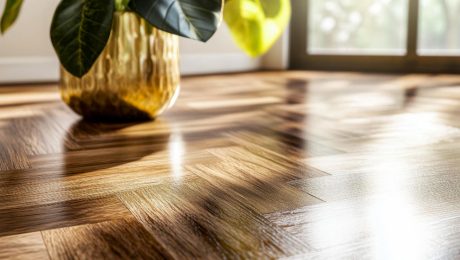
Some flooring options are chosen because they’re cheap. Others because they’re convenient. Solid timber sits in a different category entirely, it’s chosen because people don’t want to redo the job in five years.
Across residential and commercial spaces, the solid timber flooring that property owners invest in is less about trends and more about longevity, performance, and visual impact that doesn’t fade with time.
There’s no shortage of flooring options, but very few offer the same combination of durability and natural character. Solid timber is cut from real wood, meaning every plank carries unique grain patterns and texture.
This is why many people who are exploring solid timber flooring products look for something that feels authentic rather than manufactured.
It doesn’t just sit in a space, it becomes part of it.
Built to Last Decades
Unlike laminate or hybrid alternatives, timber can be sanded and refinished multiple times. That means instead of replacing the floor, you restore it.
Over time, this dramatically reduces long-term costs.
Resistant to Everyday Wear
With proper care, timber handles daily foot traffic, furniture movement, and general use without losing its structure. Minor surface wear can be corrected, which is something synthetic materials simply don’t offer.
Solid timber performs exceptionally well in:
It thrives in controlled indoor conditions. However, like any natural material, it doesn’t respond well to excessive moisture. That’s why professional advice is critical before installation.
Timber isn’t limited to one aesthetic. It can be customised through:
This allows solid timber flooring to work across modern, classic, and commercial designs without losing relevance.
It adapts instead of dating your space.
The quality of a timber floor is only as good as its installation.
It expands and contracts naturally, which means it needs proper acclimatisation and precise installation techniques. Poor workmanship leads to gaps, warping, or uneven finishes.
Working with experienced professionals ensures the flooring performs exactly as expected from day one.
Solid timber flooring in Melbourne does not require complex maintenance. Regular cleaning, avoiding excess moisture, and occasional refinishing are usually enough to keep it in excellent condition.
Compared to materials that require full replacement, timber offers a far more practical long-term solution.
Choosing the right flooring involves more than just selecting a material. It requires understanding how the space is used, what level of durability is needed, and how the flooring contributes to the overall design.
If you’re considering upgrading your space, contact us to get tailored advice from professionals who understand Melbourne conditions and requirements.
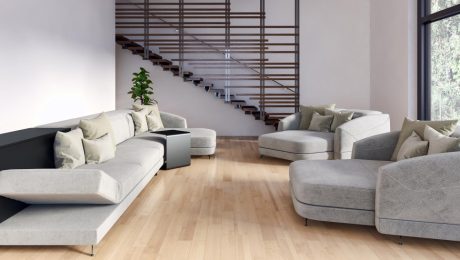
Choosing engineered timber flooring that homeowners can rely on requires understanding how local climate conditions affect flooring performance. Melbourne’s seasonal temperature shifts and varying humidity levels can impact natural timber products. Engineered timber flooring installations are specifically designed to offer improved dimensional stability compared to solid hardwood, reducing the risk of expansion and contraction over time.
An engineered timber flooring system features a real hardwood veneer bonded to a cross-layered core. This construction enhances structural strength and makes the product suitable for concrete slab foundations commonly found in Melbourne homes and apartments. By combining aesthetic appeal with improved stability, engineered timber flooring offers a practical solution for modern residential properties.
Engineered timber flooring in Melbourne continues to grow in popularity due to its ability to handle local environmental conditions while maintaining a natural timber appearance.
Key advantages include:
Because many properties are built on concrete slabs, engineered timber flooring provides flexibility in installation methods in Melbourne. When properly installed, the layered construction helps maintain long-term stability.
Proper installation is essential to ensure engineered timber flooring performs as intended. Moisture testing of concrete subfloors is critical before installation begins. Elevated moisture levels can compromise performance and void warranties.
Installation methods may include:
Engineered timber flooring projects often require acoustic compliance in apartments or multi-level dwellings. Selecting the correct underlay ensures performance standards are met.
Subfloor preparation also plays a major role. Uneven surfaces must be levelled before installation to prevent movement or structural stress.
Pricing for engineered timber flooring in Melbourne varies based on:
Premium European oak ranges may sit at a higher price point, while Australian species may offer competitive alternatives. While engineered timber flooring may involve a higher initial investment than laminate, the genuine hardwood surface often enhances property value.
Professional installation ensures proper moisture control and long-term durability.
Engineered timber flooring offers a balance between visual appeal and structural reliability. It is particularly suited to living areas, bedrooms, and open-plan spaces where natural warmth enhances interior design.
When selecting engineered timber flooring in Melbourne, homeowners should consider veneer thickness, warranty coverage, finish durability, and installation method. Professional guidance ensures the product aligns with both performance expectations and local environmental conditions. Browse our engineered timber flooring collections to see what’s available.
For homeowners seeking high-quality engineered timber flooring solutions, Melbourne Flooring provides expert product selection and professional installation tailored to residential properties. Our team ensures durable, visually refined flooring results designed for long-term performance. Your free quote is just a message away.
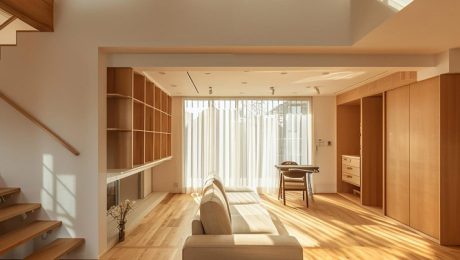
The cost of an engineered timber floor varies depending on material quality, installation method, and subfloor conditions. While many homeowners compare pricing based on square metre rates alone, the total investment includes product grade, veneer thickness, preparation requirements, and labour complexity. Understanding these variables helps buyers make informed decisions rather than focusing only on upfront cost.
An engineered timber floor is constructed with a genuine hardwood surface bonded to a multi-layered core. This structure provides improved dimensional stability compared to solid timber, particularly in climates with seasonal variation. The layered design reduces expansion and contraction, which can influence installation costs and long-term maintenance requirements. Before evaluating pricing, it is important to understand how product construction impacts durability and performance.
When comparing options, homeowners should review available timber flooring product ranges to determine whether a specific engineered timber floor aligns with structural conditions, aesthetic preferences, and long-term expectations.
Several factors directly affect the price of a durable engineered timber floor:
A thicker veneer layer typically increases cost but allows potential light refinishing in the future. Premium finishes such as brushed or matte coatings may also influence pricing. Higher-quality core construction improves stability, which can justify a greater investment in an engineered timber floor.
Subfloor preparation is another important variable. Uneven or moisture-affected surfaces require levelling or treatment before installation, increasing the total project cost.
Installation method plays a significant role in overall budgeting. An engineered timber floor can be installed using:
Glue-down installation may involve higher labour costs but can provide improved acoustic performance and structural stability. Floating systems are often faster to install and may reduce labour expenses.
Moisture barriers and acoustic underlays may also be required, particularly in apartments or multi-storey properties. Factoring these elements into the total cost ensures accurate financial planning.
While an engineered timber floor may cost more than laminate or entry-level vinyl options, it often delivers stronger long-term value. The genuine hardwood surface enhances property aesthetics and resale appeal. Durability, when properly installed and maintained, reduces the frequency of replacement compared to lower-grade flooring materials.
Maintenance costs are generally moderate. Routine sweeping and light damp cleaning help preserve the surface finish. Protecting the floor from excessive moisture and heavy impact further extends lifespan.
Investing in a well-manufactured engineered timber floor reduces the risk of premature wear and structural issues.
An engineered timber floor provides a balance between authentic timber appearance and structural reliability. While upfront costs may vary depending on product quality and installation method, the long-term durability and aesthetic appeal often justify the investment.
When evaluating options, homeowners should consider veneer thickness, finish quality, warranty coverage, and installation requirements. Professional assessment ensures the chosen engineered timber floor aligns with both budget and performance expectations.
For homeowners seeking high-quality engineered timber floor solutions, Melbourne Flooring provides expert product selection and professional installation tailored to residential properties. Our team ensures durable, visually refined flooring results designed for long-term performance. Get in touch with us for a free quote.
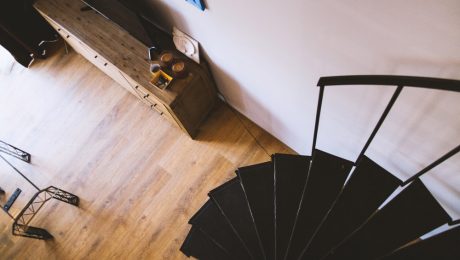
Choosing engineered timber flooring Melbourne homeowners can rely on requires understanding both product construction and local climate conditions. Melbourne experiences seasonal temperature changes and varying humidity levels, which can affect natural timber products. Engineered timber flooring Melbourne installations are designed to offer improved dimensional stability compared to solid hardwood, making them a practical solution for modern residential properties.
An engineered timber flooring system consists of a genuine hardwood surface layer bonded to a cross-layered core. This layered construction reduces expansion and contraction caused by environmental changes. As a result, engineered timber flooring in Melbourne homes use can maintain structural consistency while preserving the natural appearance of real timber.
Before committing to a product, it is important to review available engineered timber floor samples to ensure compatibility with subfloor conditions and installation requirements.
Engineered timber flooring Melbourne continues to grow in popularity due to its combination of aesthetic appeal and structural reliability. Key advantages include:
Melbourne properties often feature concrete slab foundations. Engineered timber flooring Melbourne installations perform well over concrete when properly prepared and installed with suitable underlay or adhesive systems.
The wide board formats and contemporary finishes available in engineered timber flooring Melbourne collections also complement modern interior design trends.
Pricing for engineered timber flooring Melbourne varies depending on:
Premium ranges with thicker hardwood veneers generally command higher prices but may allow light refinishing in the future. While engineered timber flooring Melbourne may involve higher upfront investment than laminate, it often enhances property value due to its genuine timber surface.
Installation costs should factor in moisture barriers, acoustic underlays (particularly in apartments), and levelling if required.
Professional installation plays a critical role in the performance of engineered timber flooring Melbourne homes depend on. Subfloor assessment ensures moisture levels are within acceptable limits before installation begins.
Floating systems allow for efficient installation, while glue-down methods may provide improved acoustic performance and stability. Selecting the appropriate installation method for engineered timber flooring Melbourne properties depends on subfloor type, building structure, and acoustic requirements.
Routine maintenance is straightforward. Sweeping and light damp mopping help preserve surface finish. Protective pads under furniture reduce the risk of scratches.
Engineered timber flooring Melbourne offers a balance between durability and authentic timber appearance. It suits living areas, bedrooms, and open-plan spaces where warmth and natural texture enhance interior design.
When selecting engineered timber flooring in Melbourne, homeowners should evaluate veneer thickness, warranty coverage, and finish durability. Professional guidance ensures the chosen product aligns with long-term expectations.
For homeowners seeking high-quality engineered timber flooring Melbourne solutions, Melbourne Flooring provides expert product selection and professional installation tailored to your property. Our team ensures durable, visually refined flooring results designed for long-term performance. Ask us for a free estimate.
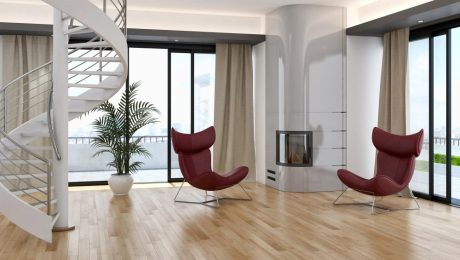
Selecting the right engineered timber floor requires more than choosing a colour or timber species. Flooring plays a structural and aesthetic role in any property, influencing durability, comfort, and long-term value. An engineered timber floor is constructed with a genuine hardwood surface layer bonded to a multi-layered core, providing improved stability compared to solid timber. This layered structure helps reduce movement caused by humidity and temperature changes.
Many homeowners choose an engineered timber floor because it delivers the visual appeal of natural timber while offering greater installation flexibility. Unlike solid hardwood, an engineered timber floor can often be installed over concrete slabs or underfloor heating systems. Understanding how construction, veneer thickness, and installation method impact performance is essential before making a final decision.
Before purchasing, it is important to compare available timber flooring samples to ensure the selected engineered timber floor aligns with your subfloor type, lifestyle demands, and long-term expectations.
The defining characteristic of an engineered timber floor is its layered construction. It typically includes:
This structure enhances dimensional stability and reduces the risk of cupping or warping. An engineered timber floor is designed to perform consistently in residential environments where seasonal climate shifts may affect traditional hardwood.
In addition, many engineered timber floor products are available in wide boards and contemporary finishes, making them suitable for modern interior designs. Matte and brushed finishes are particularly popular for concealing minor wear over time.
Installation plays a significant role in the performance of an engineered timber floor. Depending on product specifications and site conditions, it can be installed as:
Each method has advantages depending on subfloor type and acoustic requirements. An engineered timber floor installed over a properly prepared subfloor provides improved stability and long-term durability.
Subfloor preparation is critical. Uneven surfaces can compromise performance and cause movement or noise. Professional assessment ensures the engineered timber floor is installed correctly to maintain warranty compliance.
Durability depends on the thickness of the wear layer. Higher-quality engineered timber floor options feature thicker hardwood veneers, allowing for light sanding if necessary.
Maintenance is relatively straightforward. Regular sweeping and gentle damp mopping help preserve the finish. Protective pads under furniture and prompt spill clean-up prevent surface damage.
An engineered timber floor performs well in living areas, bedrooms, and open-plan spaces. However, prolonged exposure to standing water should be avoided, as timber remains a natural material.
An engineered timber floor offers a balance between aesthetic appeal and structural reliability. While the upfront cost may be higher than laminate or basic vinyl, the genuine hardwood surface enhances resale value and long-term visual appeal.
When selecting an engineered timber floor, homeowners should evaluate veneer thickness, board construction quality, finish durability, and warranty coverage. Investing in a well-manufactured product ensures long-lasting performance.
For homeowners seeking a high-quality engineered timber floor, Melbourne Flooring provides expert product selection and professional installation tailored to residential environments. Our team ensures durable, visually refined flooring solutions designed for long-term performance. Contact us for a free quote.
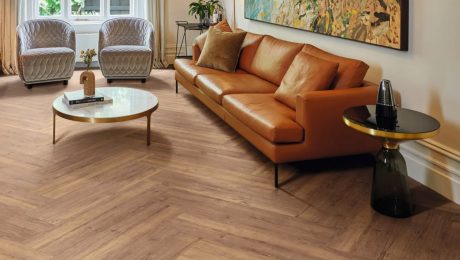
Engineered timber flooring in Melbourne has become a practical alternative to solid hardwood for homes built on concrete slabs and in environments where seasonal movement is a concern. While it delivers the look of natural timber, its layered construction changes how it performs under temperature variation and internal humidity shifts.
Unlike solid planks cut from a single piece of wood, engineered boards are built using multiple bonded layers beneath a real hardwood surface. This internal structure improves stability and reduces the likelihood of excessive expansion, contraction, or surface distortion over time.
If you’re comparing materials, reviewing different timber flooring options can help clarify how engineered boards differ from laminate, hybrid, and solid hardwood in terms of construction and long-term behaviour.
The strength of engineered timber flooring lies in its cross-layered core.
Cross-Grain Core Design
Each internal layer is positioned in the opposite direction to the next. This alternating grain pattern distributes stress more evenly across the board. As a result, engineered timber flooring in Melbourne tends to handle seasonal shifts more effectively than solid hardwood.
This stability is particularly relevant in properties built on concrete slabs, where moisture levels beneath the surface can fluctuate.
Real Timber Surface
The top layer is genuine hardwood. That means:
Because the surface is real timber, the floor maintains visual depth that synthetic materials struggle to replicate.
Not all engineered boards are equal. Veneer thickness directly affects lifespan.
The core material also matters. High-density plywood cores offer better structural performance than lower-grade composites. Focusing only on surface appearance can overlook the factors that determine how the flooring will age.
When assessing engineered timber flooring in Melbourne, it’s important to check technical specifications rather than relying solely on showroom samples.
Engineered boards can usually be installed in several ways:
Floating systems are often more cost-effective and quicker to install. Glue-down installations provide a firmer feel underfoot and improved acoustic performance, which can be beneficial in apartment settings.
Subfloor preparation remains critical. Concrete must be level, dry, and moisture tested before installation begins. Skipping this step can compromise long-term performance regardless of product quality.
The cost of engineered timber flooring varies depending on:
Wider boards and specialty finishes increase material pricing. Glue-down installation typically involves higher labour costs. Removal of existing flooring and subfloor levelling should also be considered when budgeting.
Although timber generally costs more than laminate, it often contributes to stronger resale value due to its genuine hardwood surface.
Engineered boards are well suited to:
They are less suitable for bathrooms or areas exposed to constant water. While more stable than solid timber, engineered construction is not waterproof.
Matching the flooring type to the function of each space ensures better long-term results.
When installed correctly and maintained properly, engineered timber flooring in Melbourne can deliver decades of service. Longevity depends on veneer thickness, installation quality, and ongoing care.
Routine cleaning, furniture protection pads, and prompt attention to spills help preserve surface integrity. With the right product selection and preparation, engineered boards maintain both structural stability and visual appeal over time.
Melbourne Flooring supplies and installs engineered timber flooring, providing guidance on product selection, subfloor assessment, and installation methods suited to each property. The focus is on proper preparation and durable results that maintain both performance and appearance. Get in touch with us for a free quote.
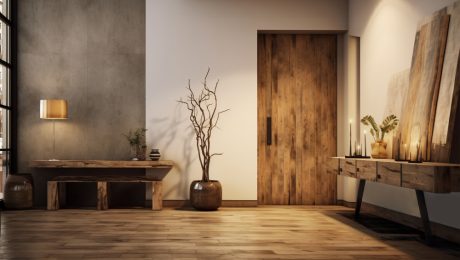
Choosing an engineered timber floor is a common decision for property owners who want the warmth of real wood without the movement issues associated with solid hardwood. Unlike traditional solid boards, engineered products use a layered construction method designed to improve stability while preserving the natural timber surface. This makes them particularly suited to climates where temperature and humidity can fluctuate throughout the year.
An engineered timber floor combines visual authenticity with structural performance. The top layer is genuine hardwood, while the core consists of cross-layered plywood or composite materials. This layered design helps minimise expansion and contraction, reducing the likelihood of cupping, gapping, or warping over time.
Before selecting a product, many buyers compare different timber flooring options to understand how engineered construction differs from laminate, hybrid, or solid hardwood alternatives.
The key difference lies in construction.
Layered Stability
An engineered timber floor typically consists of:
Because the grain direction of each core layer runs perpendicular to the next, the board becomes more resistant to environmental movement. This cross-layering significantly improves dimensional stability compared to solid timber.
Real Timber Surface
Unlike laminate or vinyl, the surface of an engineered timber floor is genuine hardwood. That means:
The visual depth and warmth are difficult to replicate with printed surfaces.
Durability depends largely on two factors: wear layer thickness and finish quality.
Veneer Thickness Matters
Higher-quality engineered timber floor products feature thicker hardwood wear layers, often ranging from 3mm to 6mm. Thicker veneers allow for light sanding and refinishing, extending the lifespan of the floor.
Entry-level products with thinner veneers may not offer refinishing capability but can still perform well in standard residential environments.
Protective Finishes
Surface coatings such as UV-cured polyurethane or matte lacquer improve scratch resistance and daily wear performance. Satin and matte finishes often conceal minor surface marks better than high-gloss coatings.
In moderate-traffic residential areas like living rooms and hallways, an engineered timber floor can perform reliably for decades when properly maintained.
Installation flexibility is one of the strongest advantages of engineered flooring.
It can typically be:
However, moisture-heavy areas such as bathrooms and laundries may still require alternative materials. While more stable than solid timber, an engineered timber floor is not fully waterproof.
Subfloor preparation is critical. Uneven or damp surfaces can compromise long-term stability, so moisture testing and levelling are essential before installation.
Pricing varies depending on several factors:
Timber Species
European oak typically sits at the higher end of the pricing range due to demand and grain consistency. Australian hardwoods may vary depending on availability and finish quality.
Board Size & Finish
Wider boards and longer plank formats often command higher prices. Surface treatments such as brushed, smoked, or textured finishes can also influence cost.
Installation Method
Glue-down installations may cost more than floating systems due to labour intensity and adhesive requirements. Subfloor preparation, acoustic underlay, and site accessibility also affect overall pricing.
While engineered timber floor products may exceed laminate in upfront cost, they often contribute to stronger resale value because they contain genuine timber.
Many buyers compare engineered boards with solid hardwood.
Solid Timber:
Engineered Timber:
For most modern homes, especially those built on slabs, engineered construction provides greater stability and installation flexibility.
When selected carefully and installed correctly, an engineered timber floor can deliver long-term durability, aesthetic appeal, and resale value. The combination of real timber surface and structural stability makes it suitable for a wide range of residential environments.
Buyers should evaluate:
Proper maintenance — including protective pads under furniture and routine cleaning — will significantly extend lifespan.
Melbourne Flooring provides expert guidance and professional installation for engineered timber floor projects, helping clients choose appropriate veneer thickness, board size, and installation methods to suit their property. Our team focuses on correct preparation and precise installation to ensure long-term performance and visual consistency. Contact us for a free quote.
If you love the look of real timber but don’t love the price tag, the upkeep or the risk of warping, an engineered timber floor is probably already on your radar. It’s become a favourite for Melbourne renovations and new builds because it delivers genuine timber underfoot with better stability and flexibility than many traditional solid boards.
At Melbourne Flooring, you can choose from classic Australian species like Blackbutt and Spotted Gum, as well as contemporary oak styles, across a wide timber flooring range that suits local homes and commercial spaces.
This article walks you through what an engineered timber floor actually is, how it compares with solid timber, hybrid and laminate, and when it’s the best choice for your space.
What Is an Engineered Timber Floor?
An engineered timber floor is a real timber product, just built a bit smarter than traditional solid boards.
Most quality boards are made from:
- A top layer (veneer) of real hardwood such as European Oak, Blackbutt or Spotted Gum
- A multi-layer core, often plywood or high-density material laid in cross-grains for stability
- A balancing layer underneath to stop cupping and warping
So underfoot, it still looks and feels like “proper timber”, but the construction makes it:
- More stable in changing temperatures and humidity
- Friendlier to concrete slabs and multi-storey construction
- Easier and often faster to install (floating or glue-down systems)
On Melbourne Flooring’s Timber Flooring Melbourne page, engineered timber is presented alongside solid hardwood as part of a flexible timber range, with options for wide planks, herringbone and different species.
Engineered Timber Floor vs Solid Timber vs Hybrid vs Laminate
When you’re standing in a showroom (or a mobile showroom parked at your house), all the planks can blur into one. Here’s the simple version.
Flooring type What it is Key pros When it’s not ideal Engineered timber floor Real timber top over multi-layer core Real timber look, stable, can often be refinished, great over slabs Not fully waterproof, care needed with moisture Solid timber Single piece of hardwood all the way through Can be sanded many times, very long lifespan Pricier, more sensitive to moisture & movement Hybrid Rigid core + vinyl wear layer, timber look print 100% waterproof options, very scratch & dent resistant Printed look, not real timber surface Laminate HDF core + decorative paper, melamine surface Affordable, good scratch resistance, timber-look designs Not real timber; moisture can be an issue Melbourne Flooring already has strong product coverage for hybrid flooring and laminate flooring, including dedicated category and blog content.
Why Engineered Timber Floors Work So Well in Melbourne
Melbourne’s climate loves mood swings: cold and damp one week, hot and dry the next. That’s precisely where an engineered timber floor shines.
Key benefits for Melbourne homes and businesses:
There are plenty of places to buy boards. The difference with Melbourne Flooring is the combination of:

Let's socialize
Copyright © 2018 Melbourne Flooring . All rights reserved. Designed by Momawebmasters
Monday - Friday 9AM - 5PM
Saturday 10AM - 3PM
Sunday by appointment only
Bayswater Branch
Address: 20 Scoresby Road, Bayswater VIC 3153
Phone: 03 9070 8292
Oakleigh Branch
Address: 200 Warrigal Rd, Oakleigh VIC 3166
Phone: 03 4060 1415


