



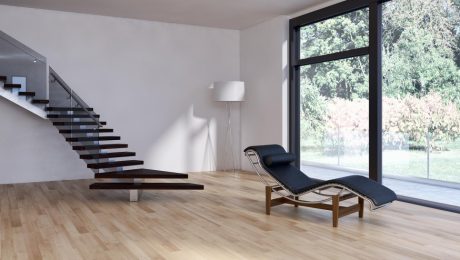
Even the highest-quality flooring can fail without proper installation. That’s why professional flooring installation in Melbourne is key to achieving a flawless, long-lasting result.
Why Expert Installation Matters
DIY installation might save money upfront, but professional installers ensure:
Our Melbourne Flooring installation team specialises in all types of floors — from hybrid to vinyl and timber.
Installation Process Overview
Our process guarantees precision, speed, and long-term satisfaction.

Even with new options like hybrid flooring on the rise, laminate flooring in Melbourne continues to be one of the most practical and affordable flooring solutions for Australian homes.
Why Homeowners Still Love Laminate Flooring
Laminate flooring offers a hard-wearing surface that mimics real wood grain with photo-realistic layers. It’s resistant to scratches, fading, and dents — perfect for families and rental properties.
Key benefits include:
Moreover, many Melbourne homeowners still trust laminate flooring for its proven durability and affordability. While newer options like hybrid and vinyl have grown in popularity, laminate continues to deliver excellent scratch and stain resistance, especially in high-traffic zones like hallways and living rooms. And with modern advances in AC ratings and core construction, laminate flooring in Melbourne offers performance that rivals more expensive products — making it an excellent choice for value-focused renovations.
Beyond cost and durability, laminate floors offer tremendous aesthetic flexibility. With digital printing technology and beveling techniques, you can achieve almost any timber look — from grey driftwood to rich oak — with convincing realism. Plus, replacement of damaged planks is often quick and convenient should wear occur. For those seeking a balance of style, strength, and budget, laminate flooring Melbourne remains an attractive contender in 2025.
Best Areas for Laminate Flooring
Laminate works beautifully in:
For wet zones, consider waterproof hybrid flooring as an alternative.
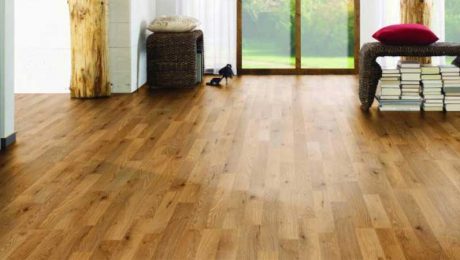
Installing laminate flooring is a quite easy task, and after you’ve done it once you will wonder why people pay professional installers to do this.
Unlike porcelain or ceramic tile, plastic laminate flooring is a “dry” installation—there is no need for grout, mortar, or adhesives to set up and dry. There is also no need for any special tools or saws for cutting—ordinary saws work just fine. Unlike solid hardwood flooring that needs to be nailed down, laminate snaps together—it is a “floating” floor that isn’t even attached to the subfloor or underlayment.
To install laminate flooring properly, your base floor should be flat and clean. It can usually be installed successfully right over old floor coverings, such as sheet vinyl if the surface is flat and smooth. A thin sheet of foam is usually sufficient as a base for laminate planks.
Before beginning installation, remove all baseboards and trim around the perimeter of the room, as well as any heating resisters or air return duct covers mounted in the floor.
There are some tools and materials you need to buy if you want to DIY it yourself:
For a small- to medium-sized room, the best strategy is to simply open up a couple of boxes of flooring and make a preliminary layout on a clean floor prior to rolling out the underlayment.
There is no need to lay out the entire floor. Instead, layout planks side by side across the room and snap the planks together. This helps you see how many rows it will take to cover the room.
Next, do a length of planks end-to-end. But at this stage, avoid snapping planks together both at the ends and sides. This will create a lock that is difficult to undo and may damage the interlocking tongue and groove system.
There is no need to worry too much about your technique for cutting or ripping laminate planks. The planks are very thin, with a core of fiberboard that cuts very easily. Baseboards and molding will hide the cut edges, so perfect cuts aren’t essential. Table saws always produce the best cuts, but you can also use a circular saw, a jigsaw, or even a hand saw.
Use a long straightedge to mark the long cutting lines for rip cuts running the length of flooring planks, or a T-square to mark cross-cuts.
It is always recommended putting down underlayment before laying the laminate. It helps to absorb sound, provides a thermal barrier, makes it easier to walk on the laminate, and helps the flooring bridge minor gaps and bumps in the underlying floor.
Roll out sheets of underlayment and butt the edges tightly together without overlapping them. Secure the seams with tape, as recommended by the manufacturer. Some underlayments come with peel-and-stick adhesive edges that are used to join the pieces.
Start by cutting off the tongues from the boards that will edge the first wall, using a table saw or circular saw. Begin laying this first row on the longest wall, with the trimmed edges of the planks against the wall.
Start on the right side and work leftward. Lay down a full-size plank against the wall, spacing it about 1/4 inch away from the wall. Placing spacers between the flooring and the wall can help maintain this gap. This expansion gap is critical for a floating laminate floor since it will expand and contract due to changes in weather. Proceed with additional full-length planks, working toward the left to the end of the room. Use a rubber mallet to join the ends of the planks together, making sure the seams are tight. Done correctly, the end joints should be tight, with no gaps.
Once you reach the left end of the first row, the last plank will likely be too long. Measure the length needed and transfer that measurement to a full-size plank, measuring from the right to left side, so that the tongue-side of the plank is preserved to attach to the last full plank. There should be a 1/4-inch expansion gap at the side wall, as well, so this last plank is cut just slightly short.
We at Melbourne Flooring provide some of the lowest prices and quality services in the supply and installation of floors

Let's socialize
Copyright © 2018 Melbourne Flooring . All rights reserved. Designed by Momawebmasters
Monday - Friday 9AM - 5PM
Saturday 10AM - 3PM
Sunday by appointment only
ADDRESS
20 Scoresby Road, Bayswater VIC 3153
PHONE
03 9070 8292


