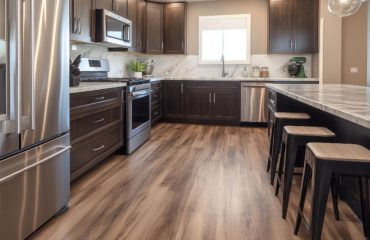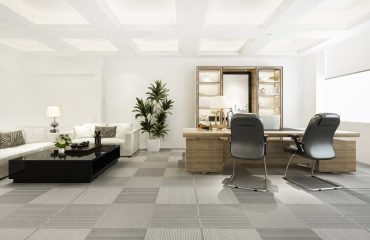





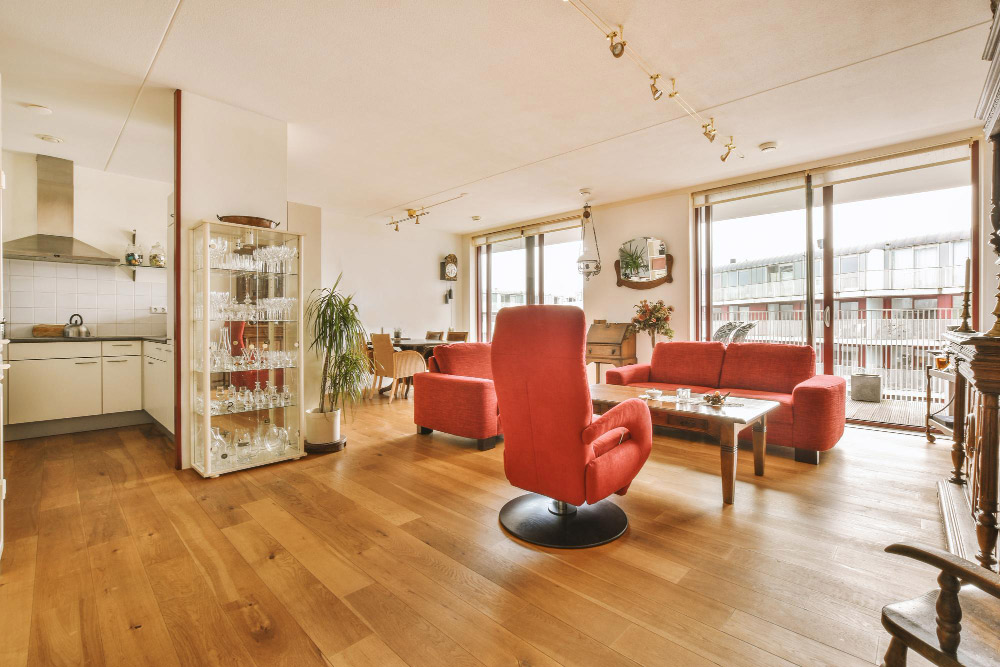
Hybrid flooring has become one of the most discussed flooring options in recent years due to its waterproof performance and modern timber-look appearance. Designed with a rigid core structure, hybrid flooring combines elements of laminate and vinyl technologies to create a durable, moisture-resistant solution suitable for contemporary homes. Its layered construction improves stability while maintaining the visual appeal of natural timber finishes.
Unlike traditional hardwood, hybrid flooring is engineered to handle temperature fluctuations and everyday wear without excessive expansion or contraction. This makes hybrid flooring particularly suitable for open-plan living areas, kitchens, and apartments built on concrete slabs. Understanding how hybrid flooring is constructed and how it performs under different conditions is essential before making a purchase decision.
Another important factor to consider is maintenance. High-quality hybrid flooring is designed to be easy to clean, which makes it appealing for busy households, rental properties, and family homes. Regular sweeping or vacuuming helps remove dirt and grit, while occasional mopping with a suitable cleaner keeps the surface looking fresh. Because hybrid flooring is resistant to water, it can handle everyday spills better than many traditional timber products, although standing water should still be cleaned up promptly.
Before selecting a product, homeowners should compare available hybrid flooring samples to ensure the chosen hybrid flooring aligns with traffic levels, moisture exposure, and subfloor compatibility.
Cost & Installation Considerations
Hybrid flooring pricing varies depending on board thickness, wear layer rating, brand reputation, and finish detail. While hybrid flooring may cost more than entry-level laminate, it often provides better moisture resistance and structural stability.
Installation efficiency is another advantage. Most hybrid flooring systems use click-lock mechanisms, allowing for floating installation over prepared subfloors. However, proper subfloor preparation remains critical to prevent movement or uneven performance.
Acoustic underlay requirements should also be considered, particularly in apartment settings where sound transmission may be regulated.
Is Hybrid Flooring the Right Choice for Your Property?
Hybrid flooring offers a practical balance between durability, waterproof performance, and contemporary style. It is well-suited to residential spaces that require resilience and easy maintenance.
When evaluating hybrid flooring, homeowners should consider wear layer thickness, warranty coverage, locking system quality, and subfloor compatibility. Professional advice ensures that the selected hybrid flooring aligns with the property’s conditions and long-term expectations.
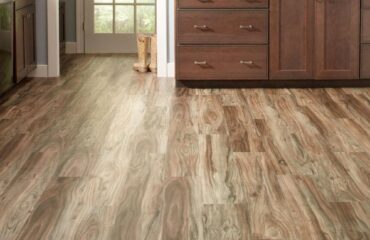
Design flexibility is also a major reason homeowners choose hybrid flooring. Many modern ranges are available in realistic oak, blackbutt, spotted gum, and grey-toned timber finishes, allowing homeowners to match the flooring with both contemporary and classic interiors. Wider boards can create a more spacious feel, while textured finishes add depth and a more natural look. Choosing the right colour and finish can strongly influence the overall style of the home, not just the floor itself.
For homeowners seeking high-quality hybrid flooring solutions, Melbourne Flooring provides expert product selection and professional installation tailored to your space. Our team ensures durable, visually appealing flooring results designed for long-term performance. Contact us today for a free estimate.