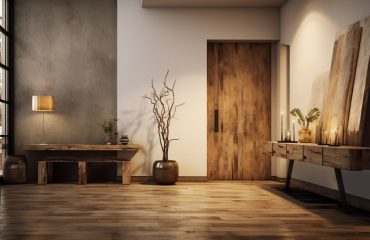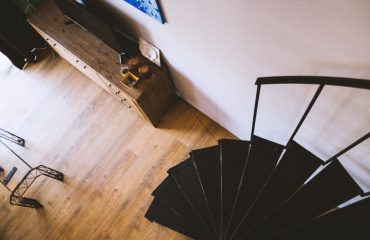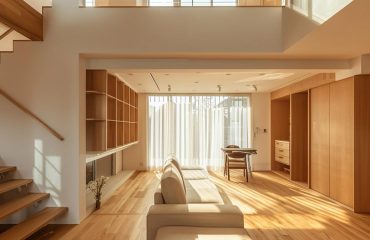


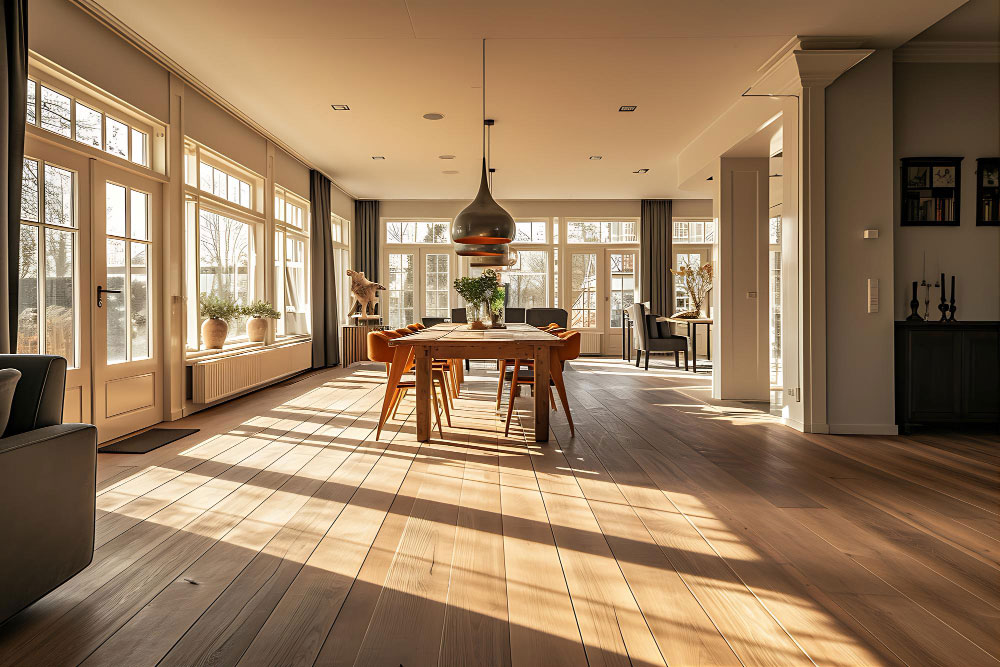
Timber flooring has a way of changing a room before anything else is added. Furniture, paint, lighting and décor all matter, but the floor sets the base for the whole space. When the surface has natural grain, warmth and texture, the room immediately feels more considered, less temporary, and thankfully less like it was assembled from whatever was on sale that weekend.
For anyone comparing long-term flooring options, timber flooring in Melbourne is a common search because timber offers a balance of natural appearance, durability and design flexibility. It can suit modern interiors, classic renovations, apartments, offices, retail areas and open-plan living spaces when the right product and installation method are chosen.
Why Timber Still Feels Different
Many flooring products try to copy timber. Some do it well, some do it with the subtlety of a printed plastic costume. Real timber has natural variation, which means every board can have its own grain pattern, tone shift and visual character. That individuality is one of the main reasons timber flooring remains popular even with so many synthetic alternatives available.
A timber floor can make a simple interior feel warmer and more complete. Lighter finishes can create a softer, brighter look, while deeper tones can add richness and contrast. Matte finishes are often preferred because they reduce glare and help the timber feel more natural underfoot.
Solid Timber or Engineered Timber?
One of the first decisions is whether to choose solid timber or engineered timber. Solid timber is made from a single piece of hardwood. It can often be sanded and refinished multiple times, which makes it a strong long-term option when conditions are suitable.
Engineered timber has a real timber surface layer over a layered core. This construction can provide better dimensional stability, especially where temperature and humidity changes may affect natural materials. It is also often suitable for installation over concrete slabs, depending on product specifications and subfloor preparation.
Both options can look beautiful, but they are not identical. Solid timber offers traditional hardwood structure and long-term refinishing potential. Engineered timber offers real timber appearance with added stability and more flexible installation options. Choosing between them should depend on the space, subfloor, budget, expected use and maintenance expectations.
What Affects the Cost of Timber Flooring?
The price of timber flooring can vary widely. The final cost is influenced by the timber species, board size, finish, product construction, installation method and subfloor condition. Wide boards, premium species and specialised finishes usually cost more than standard options.
Installation is another important part of the budget. Subfloor levelling, moisture barriers, acoustic underlay, trims and preparation work can affect the total price. This is where cheaper quotes can become suspiciously magical. A low product price may not include the work needed to make the floor perform properly.
When comparing natural timber flooring options, it is better to look at the full project cost rather than judging by the board price alone. A well-installed floor with the right preparation will usually deliver better long-term value than a rushed installation using a product that was never suitable for the space.
Where Timber Flooring Works Best
Timber flooring is commonly used in living areas, bedrooms, hallways, dining spaces, offices and selected commercial interiors. It works especially well in spaces where visual warmth and long-term appearance matter.
However, timber is still a natural material. It does not love standing water, constant moisture or careless cleaning habits. Kitchens may be suitable in some situations if the product and coating are appropriate, but wet areas such as bathrooms and laundries usually require a more water-resistant flooring type.
Before choosing timber, it is worth considering direct sunlight, pets, furniture movement, cleaning routines and daily foot traffic. These practical details affect how the floor will age.
Installation Details That Matter
A timber floor is only as good as the surface below it and the quality of the installation. Subfloor moisture testing, levelling and preparation are critical. If the base is uneven or moisture levels are too high, problems such as movement, cupping, gaps or noise can appear later.
The installation method also matters. Depending on the product, timber flooring may be floated, glued down or fixed using another approved method. The right choice depends on the board structure, subfloor type, acoustic requirements and manufacturer guidelines.
Professional installation helps protect the appearance and performance of the floor. It also helps reduce the risk of avoidable issues, which is useful unless someone enjoys turning flooring into a long-running household drama.
How to Choose the Right Timber Look
Choosing the right colour and finish should involve more than picking the nicest sample in isolation. Timber can look different depending on natural light, wall colour, cabinetry, furniture and room size. A tone that looks warm in one space may feel too dark or too yellow in another.
It is useful to compare samples in the actual space before making a final choice. Consider whether the interior needs a light and open feel, a rich and classic look, or a more neutral tone that works with future styling changes.
Is Timber Flooring Worth It?
Timber flooring is worth considering when the goal is to create a natural, durable and visually lasting surface. It may require more care than some synthetic products, but it also offers a level of character that imitation materials cannot fully reproduce.
The best results come from choosing the right timber type, preparing the subfloor properly and using an installation method suited to the space. With the right approach, timber flooring can provide warmth, value and long-term appeal without looking dated after a few design trends come and go.
For help comparing products, samples and installation options, book flooring advice with us and choose a timber floor that suits the way the space will actually be used.