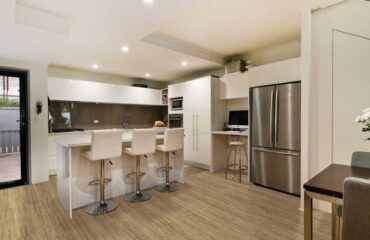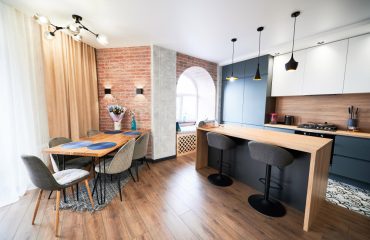



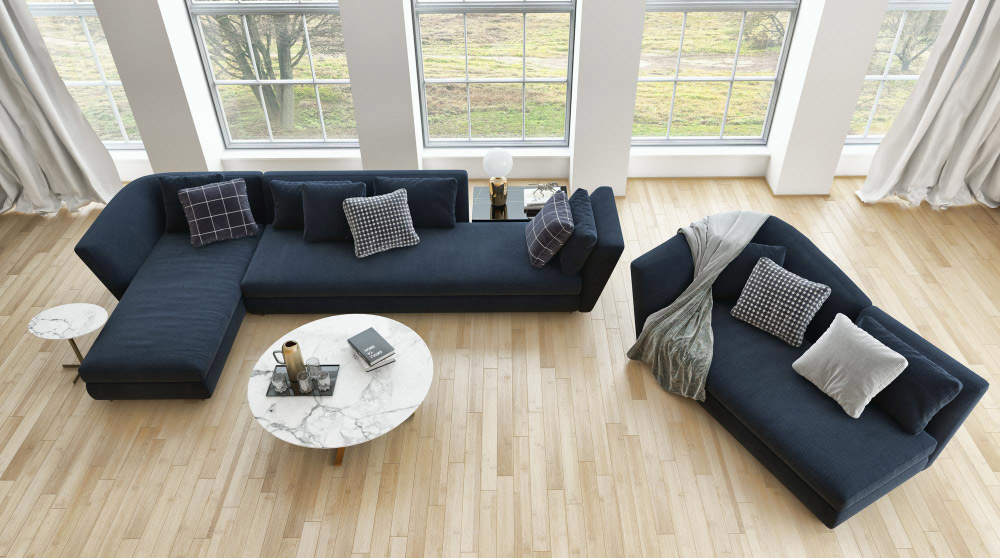
Hybrid flooring has become a popular choice for homeowners seeking durability and water resistance without sacrificing style. Combining rigid core technology with a protective surface layer, hybrid flooring offers structural stability that suits modern homes. It is often compared with laminate and engineered timber due to its similar appearance and installation methods.
Unlike traditional timber products, hybrid flooring is manufactured with a waterproof core that resists swelling and movement caused by moisture exposure. This makes hybrid flooring particularly suitable for kitchens, living areas, and spaces where spills are common. Understanding how hybrid flooring compares with other materials helps homeowners make informed decisions before investing in new flooring.
Hybrid Flooring vs Laminate
Luxury hybrid flooring and laminate often look similar at first glance, but their construction differs significantly. Laminate typically features a high-density fibreboard core, while hybrid flooring uses a rigid waterproof core such as stone polymer composite.
Key differences include:
- Hybrid flooring is waterproof; laminate is moisture-resistant but not fully waterproof
- Hybrid flooring handles temperature variation better
- Laminate may offer lower upfront cost
- Hybrid flooring generally provides greater stability
For areas prone to moisture, hybrid flooring offers a stronger long-term solution compared to laminate.
Hybrid Flooring vs Engineered Timber
Engineered timber features a real hardwood surface layer bonded to a plywood core. While engineered timber provides authentic wood appearance, hybrid flooring delivers enhanced moisture resistance.
Hybrid flooring advantages include:
- Higher water resistance
- Lower maintenance requirements
- No need for refinishing
- Improved scratch resistance in many cases
However, engineered timber may offer greater resale appeal due to its genuine timber surface. Choosing between hybrid flooring and timber often depends on lifestyle priorities and budget considerations.
Durability & Performance
Durability is one of the main reasons homeowners choose hybrid flooring. The protective wear layer resists scratches, dents, and everyday wear. In high-traffic households, hybrid flooring maintains structural integrity without frequent maintenance.
Thickness and wear layer rating significantly impact longevity. Premium hybrid flooring products feature reinforced locking systems and improved surface coatings.
Routine cleaning is straightforward. Sweeping and light mopping are typically sufficient to maintain hybrid flooring.
Is Hybrid Flooring the Right Choice for Your Property?
Hybrid flooring provides a balance between waterproof performance, durability, and contemporary design. It suits modern homes, apartments, and renovation projects where moisture resistance and ease of maintenance are priorities.
When evaluating hybrid flooring, homeowners should consider wear layer thickness, locking system strength, warranty coverage, and installation method. Professional guidance ensures long-term performance and correct subfloor preparation.
For homeowners seeking high-quality hybrid flooring solutions, Melbourne Flooring provides expert product advice and professional installation tailored to residential spaces. Our team ensures durable, visually appealing flooring results designed for long-term performance. Get accurate pricing with a free quote.